Uganda's trade deficit with the East African Community (EAC) has widened to $809 million in August 2026. This significant increase is attributed to a surge in imports from Kenya and Tanzania, which far outstripped exports. According to data compiled by the Uganda Development Bank's research department, Uganda earned $241.29 million from exports to the regional bloc, while imports amounted to $1.05 billion.
The resulting deficit persisted despite trade surpluses with the Democratic Republic of Congo (DRC), South Sudan, and Rwanda. The regional imbalance contributed to a deterioration in Uganda's overall merchandise trade position. The country's trade deficit widened by 263.5 per cent from July to $817.03 million in August, as imports grew much faster than exports.
Export earnings increased by 6.4 per cent to $1.5 billion, while imports surged by 42 per cent to $2.31 billion. Despite the widening deficit, Uganda's terms-of-trade index improved by 1.5 per cent, from 125.23 in July to 127.16 in August. This indicates an improvement in export prices relative to import prices.
The deteriorating trade balance comes amid pressure on the Uganda shilling, with the Bank of Uganda partly attributing the currency's weakness to external imbalances and other macroeconomic pressures. The depreciation has also raised concerns about imported inflation as the cost of foreign goods and production inputs rises.
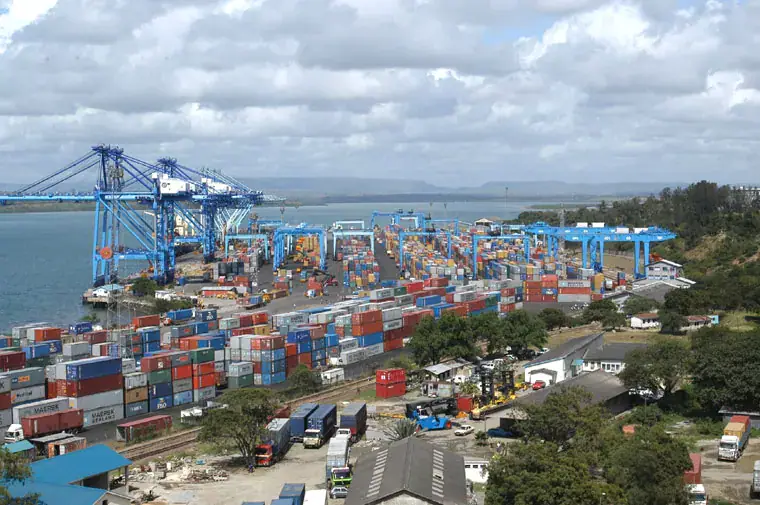
Kenya accounted for the largest share of Uganda's imports from the EAC, supplying goods worth approximately $714.5 million, compared with Ugandan exports valued at $41.05 million. This left Uganda with a bilateral trade deficit of about $673.45 million. Tanzania was the second-largest source, supplying goods worth $203.6 million.
The ministry of Finance, Planning and Economic Development has attributed Uganda's deteriorating trade balance with EAC partners partly to persistent non-tariff barriers. These include protectionist measures, inconsistent regulations, and arbitrary border policies that increase the cost of moving goods across the region.
The widening trade deficit coincided with mixed performance among Uganda's agricultural exports in August. Coffee, cotton, tea, sesame, and beans recorded lower earnings, while fish and maize exports improved. The persistence of these obstacles limits the ability of Ugandan producers to expand sales in neighbouring markets.
Key points
- Uganda's trade deficit with the EAC widened to $809 million in August 2026.
- The deficit was driven by a surge in imports from Kenya and Tanzania.
- Non-tariff barriers, including protectionist measures and inconsistent regulations, contribute to Uganda's deteriorating trade balance.