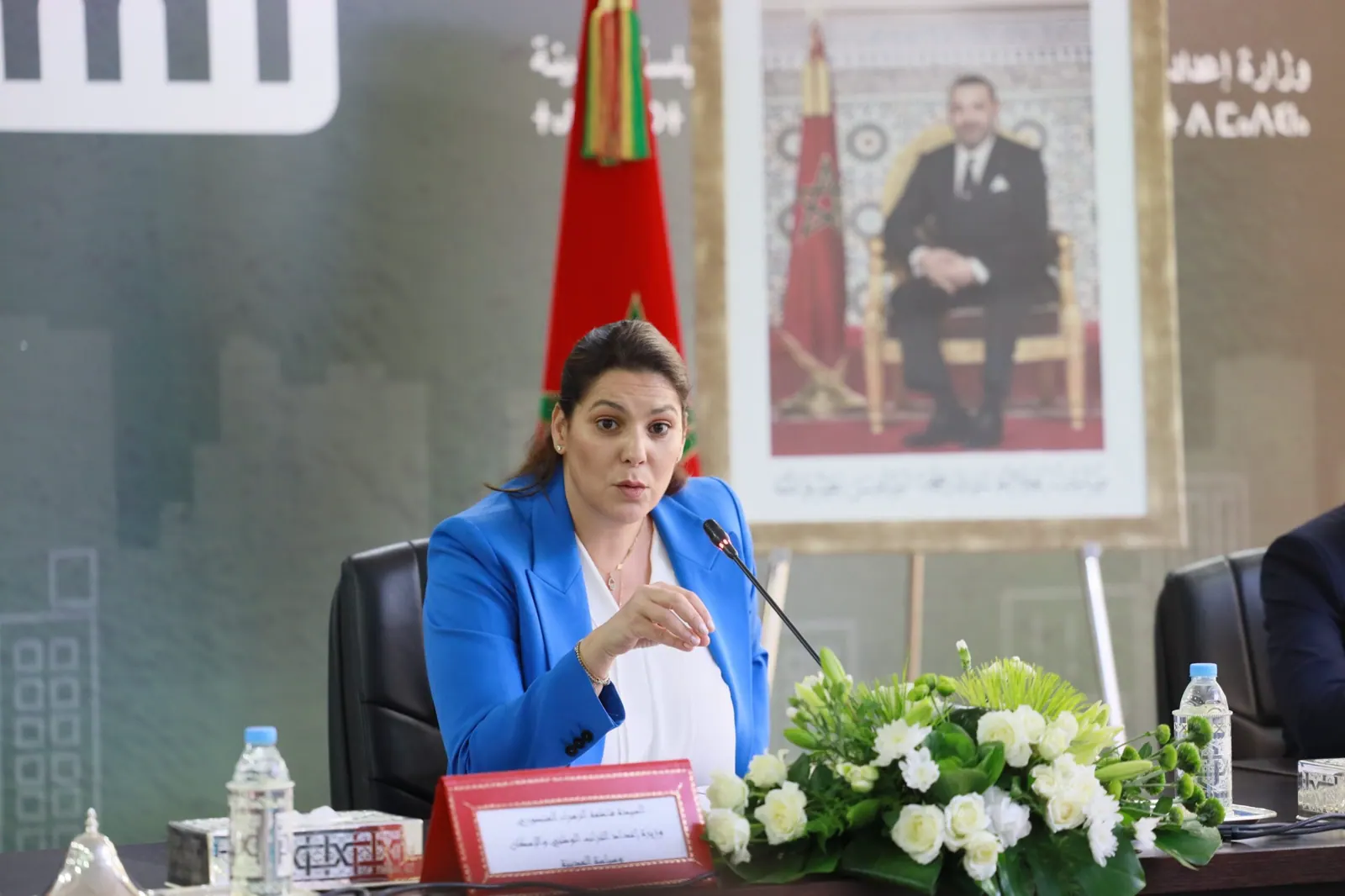
The appointment of Madame El Mansouri as prime minister of Morocco has been welcomed as a major milestone in the country's journey towards democratization and modernization. This move is seen as a significant indicator of progress in the role of women in politics in Muslim countries. The appointment of a woman to a top leadership position can bring about profound change if it is supported and extended by society, giving it a civic dimension.
The issue of women's rights is often seen as a measure of progress in Muslim countries. While women in Iran have made significant strides in recent years, their participation in Saudi Arabia has been more limited. The appointment of a female prime minister can help to challenge traditional patriarchal systems and promote a more inclusive and equitable society. Historically, populist movements and non-democratic regimes have often relied on patriarchal attitudes to maintain their power.
The relationship between the ruling elite and society is often based on an implicit contract, where men are allowed to dominate in the private sphere in exchange for their subjugation in the public sphere. This contract is often justified in the name of Islam, which is interpreted in a way that reinforces patriarchal attitudes. However, this interpretation is not universally accepted, and there are many who argue that Islam can be interpreted in a more inclusive and progressive way.
The appointment of Madame El Mansouri as prime minister has the potential to disrupt this dynamic and promote a more inclusive and equitable society. It is now up to Moroccan society to respond to this change and work towards creating a more civic and participatory culture. This will require a sustained effort to promote education, awareness, and cultural change.
In a society as mimetic as Morocco's, the presence of a woman at the head of government can have a significant impact and inspire others to follow in her footsteps. This can be particularly important for young people who are eager for change and are looking for role models. Madame El Mansouri's appointment can help to challenge traditional stereotypes and promote a more nuanced understanding of women's roles in society.
However, there are also challenges and obstacles that Madame El Mansouri will face in her new role. Islamist groups have often relied on conservative attitudes and moralism to mobilize support, and they may view Madame El Mansouri's appointment as a threat to their influence. Nevertheless, Madame El Mansouri has a reputation for being a competent and experienced leader, and she will be able to draw on a range of talents and resources to support her work.
The appointment of Madame El Mansouri as prime minister is a significant step towards promoting democratization and modernization in Morocco. It is a testament to the country's commitment to creating a more inclusive and equitable society, and it has the potential to inspire others to follow in its footsteps. As Madame El Mansouri begins her new role, she will be closely watched by Moroccans and international observers alike.
Key points
- The appointment of Madame El Mansouri as prime minister is seen as a significant step towards democratization and modernization in Morocco.
- The move is expected to challenge traditional patriarchal systems and promote a more inclusive and equitable society.
- Madame El Mansouri's appointment has the potential to inspire others to follow in her footsteps and promote a more nuanced understanding of women's roles in society.