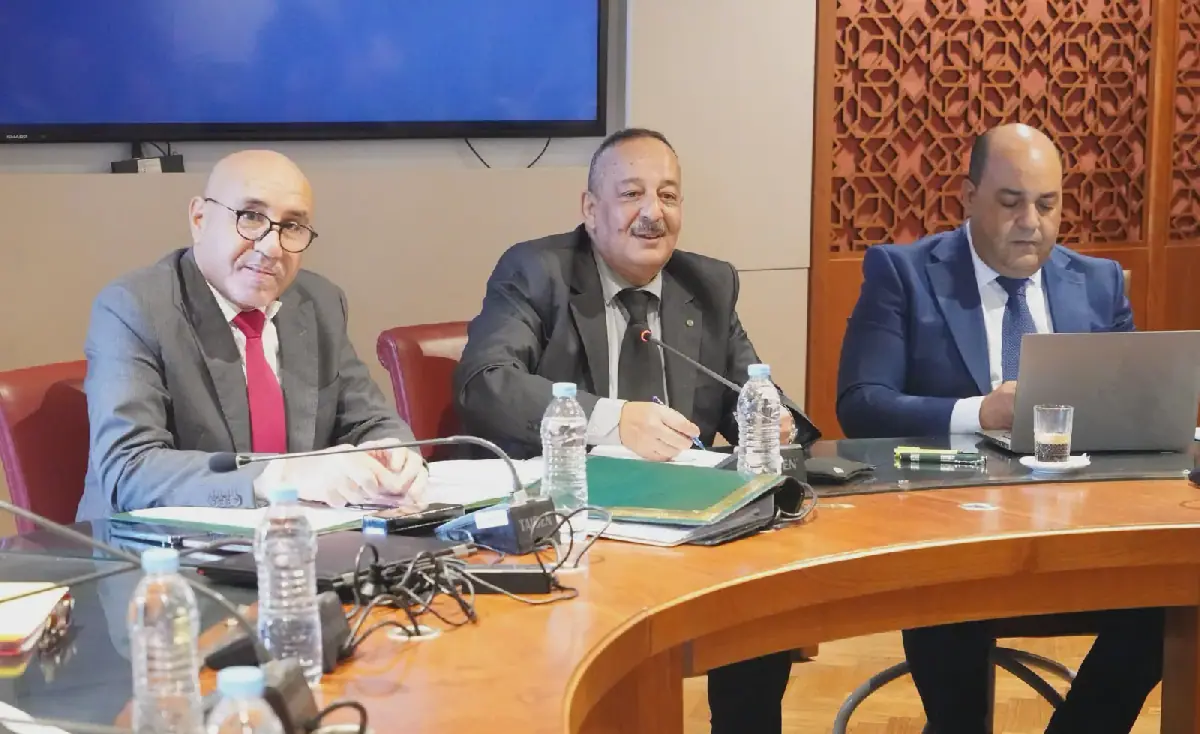
Moroccan Agriculture Minister Khalid Hatmi has pledged to publish lists of all beneficiaries of public subsidies and importers, amid a heated debate on the country's agricultural sector. The minister made the commitment during a 10-hour discussion on the ministry's budget in the parliamentary committee on productive sectors. Hatmi also vowed to conduct a thorough evaluation of the sector, free from politicization and personal bias.
The evaluation aims to address issues related to purchasing power and high prices, which are closely linked to the agricultural sector. Hatmi assured parliamentarians that he would be available to discuss major issues affecting the sector every month. The minister's approach has garnered significant support within the committee, particularly after he interacted with a representative from the National Rally of Independents, Hassan Saadi.
Saadi emphasized the importance of an objective evaluation, warning against politicizing the sector and using it as a means to condemn previous programs. Hatmi reassured Saadi that the evaluation would be conducted fairly, without targeting individuals or parties. This approach has been welcomed by many within the committee, who see it as a positive step towards transparency and accountability.
The agricultural sector is a crucial aspect of Morocco's economy, and the government's efforts to reform it have been closely watched. Hatmi's commitment to publishing lists of subsidy beneficiaries and importers is seen as a significant move towards increasing transparency and reducing corruption. The minister has also announced plans to review the subsidy system, introducing clear and transparent conditions for beneficiaries.
The review aims to put an end to the chaos surrounding imports and ensure that subsidies are allocated fairly. This move is expected to have a positive impact on the sector, which has faced criticism for its lack of transparency and accountability. By taking these steps, Hatmi's ministry aims to restore public trust and ensure that the agricultural sector contributes effectively to the country's economic growth.
The debate on the agricultural sector comes at a time when Morocco is facing significant economic challenges, including high prices and a decline in purchasing power. The government's efforts to address these issues have been closely watched, and Hatmi's commitments have been seen as a positive step in the right direction. The minister's approach has also been welcomed by many within the sector, who see it as a genuine attempt to reform and improve the industry.
As the Moroccan government continues to navigate the complexities of the agricultural sector, Hatmi's ministry faces significant challenges ahead. However, with a commitment to transparency and accountability, the minister is well-placed to make a positive impact on the sector. By publishing lists of subsidy beneficiaries and conducting a comprehensive evaluation, Hatmi's ministry can help restore public trust and ensure that the agricultural sector contributes effectively to Morocco's economic growth.
Key points
- Moroccan Agriculture Minister Khalid Hatmi commits to publishing lists of subsidy beneficiaries and conducting a comprehensive evaluation of the sector.