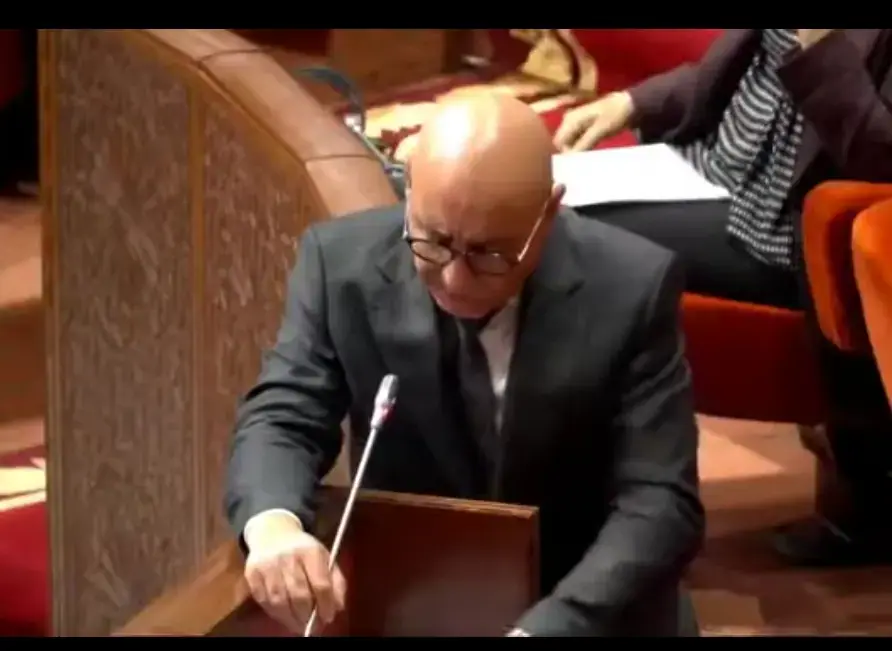
Moroccan Agriculture Minister has stated that the country's agricultural crisis is primarily caused by low productivity, rather than just debt. In a recent parliamentary session, the minister emphasized that the issue is not just about debt, but also about the productivity of each hectare and cubic meter of water. This statement marks a shift in the government's approach to addressing the crisis, from focusing solely on financial relief to questioning the sustainability of the current agricultural model.
The minister's comments come as many farmers in Morocco struggle to make a living due to high production costs, low prices for their products, and limited access to credit and markets. The situation is particularly challenging for small and medium-sized farmers, who have been hit hard by years of drought and rising costs. The minister acknowledged that some farmers are forced to sell their products at prices below their real cost, highlighting the need for a more sustainable and equitable agricultural system.
To address these challenges, the government plans to implement measures to support farmers, including loan forgiveness, interest-free loans, and a one-year moratorium on water payments. However, the minister emphasized that these measures are only temporary solutions and that a more fundamental transformation of the agricultural sector is needed. This includes improving productivity, reducing production costs, and increasing farmers' access to markets and credit.
The issue is particularly pressing in regions like Sidi Benour, a key agricultural hub in the Casablanca-Settat region. Farmers in this area face significant challenges related to production costs, water management, and marketing, which are exacerbated by years of drought. The minister's comments have sparked a national debate about the future of Moroccan agriculture and the need for a more sustainable and productive model.
The government's approach to addressing the agricultural crisis has been criticized for focusing too much on short-term solutions and not enough on long-term structural issues. The minister's comments suggest a shift towards a more holistic approach that addresses the root causes of the crisis. This includes improving farmers' access to credit, markets, and technology, as well as promoting more efficient use of water and other resources.
The challenge for the government will be to translate this new approach into concrete actions that benefit farmers on the ground. This will require significant investment in agricultural infrastructure, research, and extension services, as well as policy reforms to support small and medium-sized farmers. The minister's comments have raised expectations among farmers and agricultural experts, who are eager to see tangible results.
Ultimately, the success of Morocco's agricultural sector will depend on its ability to address the productivity and sustainability challenges that it faces. This will require a coordinated effort from government, farmers, and other stakeholders to develop a more efficient, equitable, and sustainable agricultural model. The minister's comments have sparked a necessary conversation about the future of Moroccan agriculture and the need for a more productive and sustainable approach.
Key points
- The Moroccan government is shifting its approach to addressing the agricultural crisis, from focusing solely on financial relief to questioning the sustainability of the current agricultural model.