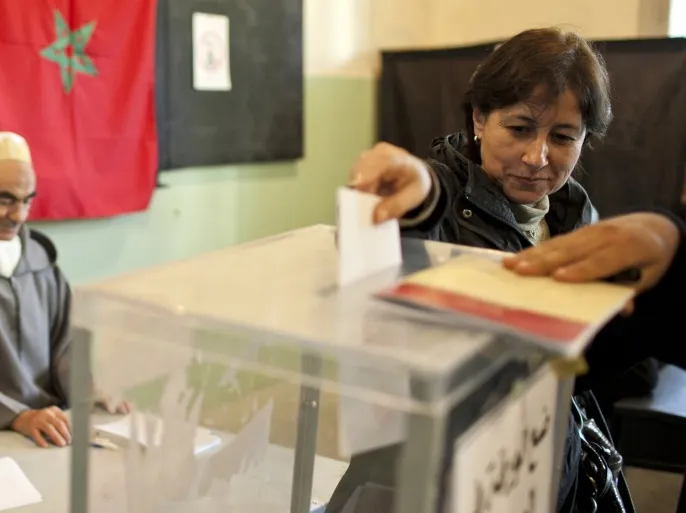
The 2026 Moroccan legislative elections, held on September 23, 2026, recorded a stable female voter representation of 46%, mirroring the 2021 elections. This stability is notable despite a decline in the overall number of registered voters, from 17,983,490 in 2021 to 15,801,162 in 2026. According to data from the National Human Rights Council, the proportion of female voters remained consistent, indicating sustained engagement from women in the electoral process.
In contrast, the number of female candidates increased, rising from 34.17% of total candidacies in 2021 to 36.47% in 2026, representing a 2.30 percentage point increase. A total of 2,658 women were candidates in the 2026 elections, with 1,783 running in regional electoral districts and 875 in local districts. This growth in female candidacy suggests a positive trend towards greater gender representation in Moroccan politics.
The increase in female candidates was particularly pronounced in local districts, where the number of female candidates rose from 762 in 2021 to 875 in 2026, marking a 14.8% increase. This development indicates a significant improvement in women's participation in local politics. However, comparisons between the 2021 and 2026 elections must consider changes to the electoral system, particularly the allocation of regional districts exclusively to female candidates in 2026.
In the 2026 elections, 235 lists were submitted in regional districts, comprising 1,783 female candidates. In local districts, 1,615 lists were submitted, including 5,505 candidates. Women led 121 local lists in 2026, up from 97 in 2021. These numbers reflect an increase in women's leadership roles in local politics, although the changing electoral landscape must be taken into account.
The 2021 elections saw 96 women elected to the House of Representatives, securing 24.3% of the total seats. Of these, 90 were elected through regional districts, and six through local districts. While direct comparisons to the 2026 elections are not yet possible, the increasing trend in female candidacy and leadership suggests potential for further growth in women's representation.
The Moroccan electoral process has undergone significant changes, with efforts to enhance gender representation. The allocation of regional districts exclusively to female candidates in 2026 aims to promote women's participation and leadership. These developments align with broader initiatives to strengthen democratic institutions and promote inclusivity in Moroccan politics.
As Morocco continues to evolve its democratic processes, the increasing presence of women in electoral politics is a notable trend. With a focus on promoting gender equality and representation, the 2026 legislative elections demonstrate progress in integrating women into the country's political landscape. Further analysis will be necessary to assess the long-term impact of these developments on Moroccan politics.
Key points
- Female voter representation remained stable at 46% in the 2026 Moroccan legislative elections.
- Female candidacy increased to 36.47% in the 2026 elections, with 2,658 women running.
- Women's leadership roles in local politics saw significant growth, with 121 women leading local lists in 2026.