Homeowners often overlook the early signs of high humidity in their homes, which can lead to mold growth and various health issues. According to HomeTips, a reliable source of home maintenance advice, the ideal indoor humidity level ranges from 40% to 60%. When humidity levels exceed 60-65%, it creates an environment conducive to mold growth and damage to building materials. Recognizing the early warning signs of high humidity is crucial to prevent these issues.
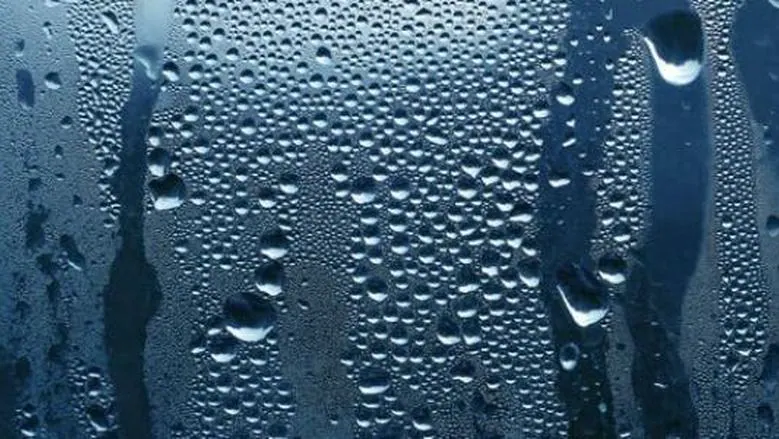
One of the first signs of high humidity in a home is condensation on windows and glass surfaces. This occurs when warm, moist air comes into contact with cooler surfaces. Homeowners may notice water droplets forming on window glass, foggy windows in the morning, or moisture on mirrors, even without prolonged showering. If this happens daily, especially outside of winter months, it indicates that indoor humidity levels are likely too high.
Prolonged condensation can lead to damage, such as rotting window frames and encouraging mold growth around seals. HomeTips warns that ignoring these signs can result in costly repairs and potential health risks. Homeowners should be aware of these early indicators to take necessary actions and maintain a healthy indoor environment. Regular monitoring of humidity levels and addressing condensation issues promptly can help prevent more severe problems.
Another indicator of excessive humidity is a persistent musty or earthy smell, even when the home appears clean. This odor often signifies hidden moisture issues, which can foster microbial growth in walls, carpets, and behind furniture. The smell is caused by volatile organic compounds released by mold colonies. If a home consistently has a bad smell despite regular cleaning, high humidity might be the underlying cause.
Visible mold patches are a clear indication that humidity levels have reached critical levels, typically above 60-70%. Mold often appears in areas like bathroom corners, around windows, basement walls, ceiling edges, and behind appliances. Initially, mold may appear as small black, green, or gray spots. Even minor mold growth suggests an imbalance in humidity levels, and if left unchecked, it can spread and cause respiratory issues.
Egypt, like many countries, experiences its share of humidity-related issues, particularly in homes. Residents are encouraged to be vigilant about maintaining optimal indoor humidity levels to prevent mold growth and associated health problems. Simple actions, such as improving ventilation and using dehumidifiers, can help manage humidity levels and create a healthier living environment.
In conclusion, morning window condensation and other signs of high humidity should not be ignored. Homeowners must take proactive steps to monitor and control indoor humidity levels to prevent mold growth and potential health risks. By recognizing these warning signs and taking corrective actions, residents can maintain a safe, healthy, and comfortable living environment for themselves and their families.
Key points
- High humidity levels in homes can lead to mold growth and health issues if not addressed promptly.
- Morning window condensation is a warning sign of excessive humidity in homes.
- Maintaining optimal indoor humidity levels between 40% and 60% is crucial to prevent mold growth and damage.