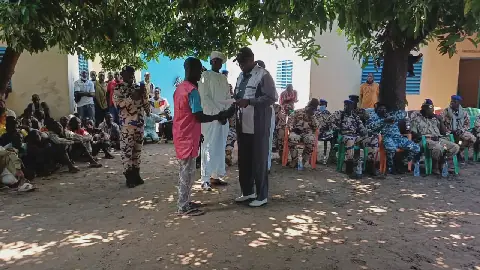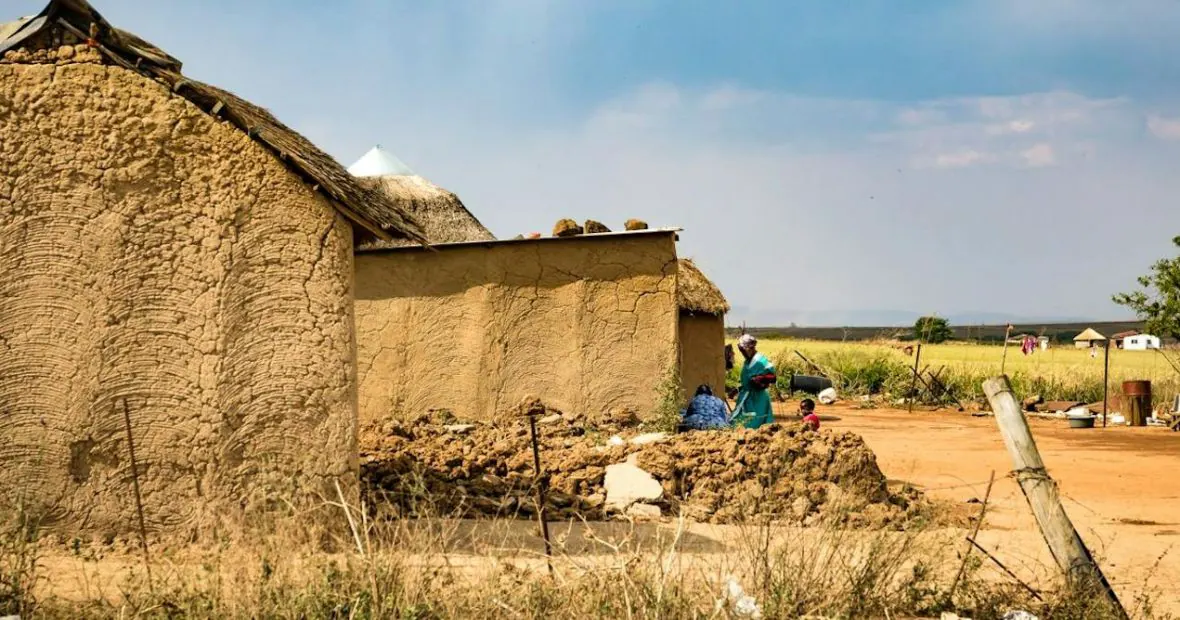
A recent study by the University of the Free State investigated the role of farming in rural households' livelihoods in South Africa. The study, conducted in two provinces, found that farming is important for food security and income, but it is rarely the main source of income for rural households. Instead, households combine farming with other activities such as wage employment, small businesses, and social grants to make a living. The study engaged with 132 small-scale farming households in Emmaus, near Bergville, and Thaba Nchu, about 60km from Bloemfontein.
The study found that rural households in South Africa differ significantly from one another. Some households have limited incomes and depend heavily on off-farm sources of income, while others have more stable incomes and can invest in farming. The study also found that only 16% of households in Emmaus and 19% in Thaba Nchu were able to surpass the South African Food Poverty Line. Off-farm sources contributed the most to their income. These differences are crucial in understanding the complexities of rural livelihoods.
The study highlighted that household aspirations play a significant role in determining their livelihood outcomes. While some households see farming as a way to secure food, others see it as an income earner. Only 12% of household heads in Emmaus and 36% in Thaba Nchu aspired to farming as a business. In contrast, 64% of household dependants in Emmaus and 80% in Thaba Nchu aspired to education, wage employment, or migration. These findings suggest that there is no single pathway from small-scale farming to improved livelihoods.
The study identified several constraints to expanding agricultural production, including labour, infrastructure, and conflicts over communal grazing land. Many households had access to land but could not use it due to insufficient labour or inadequate infrastructure. In Emmaus, poor roads and water infrastructure limited the potential to expand or diversify production. In Thaba Nchu, conflicts over communal grazing land undermined productivity.
The study's findings have significant implications for rural development policies in South Africa. Current policies focus mainly on increasing agricultural production or expanding access to land, but these policies miss the interconnected factors that determine whether households can improve their livelihoods. The study suggests that a more nuanced approach is needed, one that takes into account the complexities of rural livelihoods and the diverse aspirations of rural households.
The study's lead researcher noted that treating rural households as a single category of "small-scale farmers" can lead to policies that work for some households while doing little for others. The study's findings highlight the need for a more tailored approach to rural development, one that recognizes the differences between households and their unique circumstances.
The study's findings are based on a comprehensive survey of households, life history interviews, farm mapping, and focus group discussions. The study's results are expected to inform policy debates on rural development in South Africa. The study's authors hope that their findings will contribute to a more nuanced understanding of rural livelihoods and the role of farming in improving the lives of rural households.
Key points
- The study found that farming is not a standalone route out of poverty, but rather part of a broader livelihood system that includes other activities such as wage employment and small businesses.