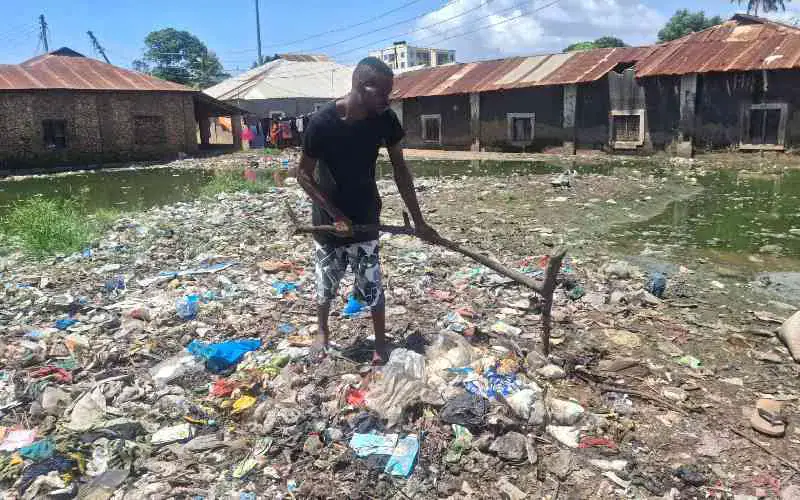
Residents of Mombasa's informal settlements are bracing for the impending El Nino season, but this time around, they claim to be better prepared. Community-based organisations, in collaboration with local leaders, have intensified El Nino preparedness efforts, providing timely weather information and precautionary measures to minimise the impact of flooding. The preparations are crucial, given the potential effects of El Nino and a strong positive Indian Ocean Dipole, which raise the risk of extreme rainfall, flooding, and other weather-related hazards along the Kenyan coast.
The DARAJA project, implemented in six informal settlements in Mombasa, aims to bridge the gap between receiving weather forecasts and translating them into practical actions that protect lives and livelihoods. Lindah Indimuli, Project Coordinator at Dream Achievers Youth Organisation (DAYO), which leads the implementation of DARAJA in Mombasa, stated that the organisation works closely with the Kenya Meteorological Department to ensure weather information reaches residents in a language and format they can easily understand.
The initiative goes beyond disseminating weather forecasts by working with communities to translate warnings into action. This is achieved through regular awareness campaigns, including community barazas, neighbourhood clean-up exercises, and door-to-door engagements. DAYO also collaborates with local leaders, including village elders and chiefs, to identify potential risks and develop practical solutions that can help communities prepare for impending weather events.
Pascal Mukanga, DARAJA Kenya Project Manager, stated that the initiative brings together meteorological agencies, local authorities, community organisations, and residents to ensure weather forecasts become trusted, accessible, and actionable warnings. The programme has been supporting communities, cities, and countries to strengthen their resilience to climate change, improving understanding of climate change and helping communities access weather information.
For residents, the impact of the initiative is increasingly being felt at the household level. Ramadhan Kadenge, a resident of Ziwa La Ng'ombe, said flooding has repeatedly caused havoc in the neighbourhood, but residents now have greater confidence due to the advance information they receive from DAYO and other partners. The community's trust in the information has enabled them to take necessary precautions, such as unclogging drainage channels and preparing for relocation if necessary.
Rose Matunda, a resident of Mkomani, recalled the devastating flooding experienced during previous rainy seasons, but attributed the improved preparedness to early information and guidance on necessary precautions. The community's preparedness is crucial, given Mombasa's dependence on its coastal environment and the vulnerability of its transport and economic activities to extreme weather. Over 400,000 passengers and 6,000 vehicles use the Likoni ferry crossing daily.
The DARAJA project's approach, which recognises that early warnings only become effective when communities understand them and have the capacity to act, is particularly evident in Mombasa. The initiative, implemented by Resurgence since 2018, operates across East Africa, Southeast Asia, and the Americas, and its importance is highlighted in Mombasa's vulnerable communities.
Key points
- Community-based initiatives are improving access to early warning information in Mombasa's informal settlements.
- The DARAJA project is enhancing flood preparedness by translating weather forecasts into practical actions that protect lives and livelihoods.
- Mombasa's dependence on its coastal environment makes its transport and economic activities vulnerable to extreme weather.