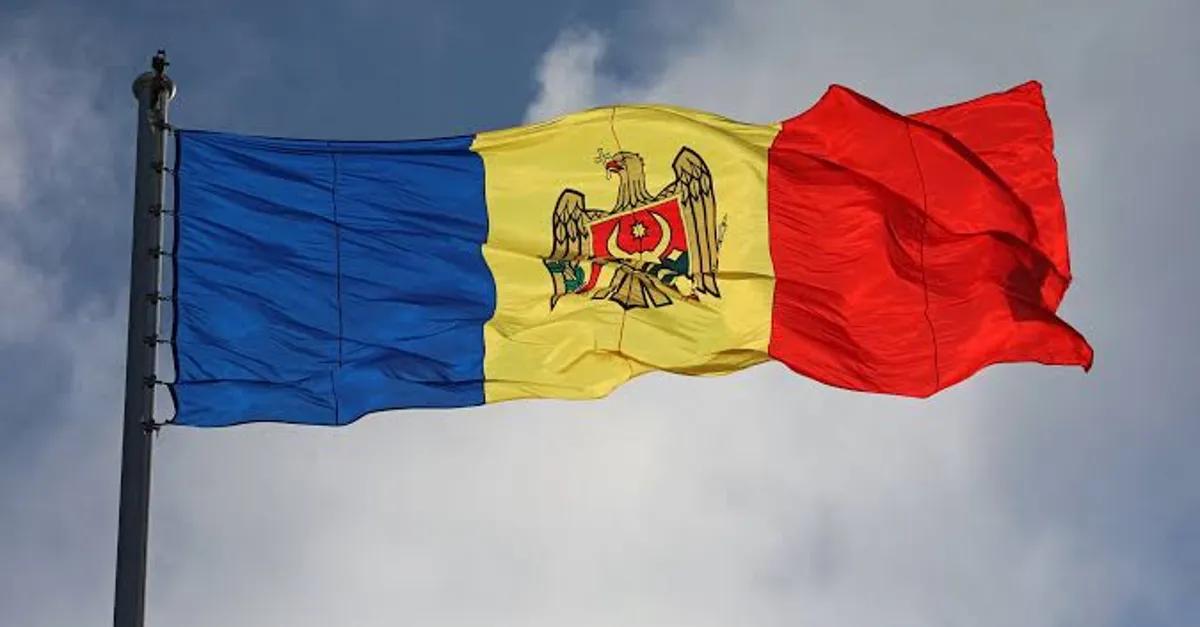
Moldova has declared a 60-day state of emergency in the energy and water sectors, effective September 26. The move aims to grant the government broader powers to swiftly address risks of electricity, gas, fuel, and water shortages. The decision was approved by parliament with 54 votes in favor, 20 against, and 22 abstentions. This step is intended to help the country prepare for the upcoming winter, which is expected to exacerbate existing energy challenges.
The country faces significant pressure in the energy sector, heavily relying on imports to meet its needs. Authorities anticipate that imports will cover around 59% of the country's electricity requirements during the upcoming winter. Moldova is expected to import between 400 and 450 megawatts during peak demand hours. This reliance on imports has raised concerns about the country's energy security, particularly with global energy prices on the rise.
The energy crisis coincides with a decline in water flows in the Dniester River, a primary source of water in Moldova. This has sparked fears about the sustainability of water and energy supplies in the coming period. The government has warned that reduced water flows may necessitate temporary measures to ration water usage for non-essential purposes. Efforts are being made to boost fuel reserves and prepare for potential disruptions in supplies as winter approaches.
Prime Minister Vasile Tofan emphasized that the measures are proactive, aimed at averting a crisis before it occurs. Moldova faces a combination of risks related to high energy costs, climate conditions, and regional developments. The government is working to enhance energy security and mitigate the risks associated with dependence on external supplies.
The state of emergency is part of Moldova's efforts to bolster its energy security and reduce reliance on external supplies. As the country prepares for winter, there is considerable uncertainty surrounding energy prices and the availability of electricity, gas, and water resources. The situation remains a priority for the government, which is seeking to balance the country's energy needs with the challenges posed by global market trends.
Moldova's energy sector has been impacted by various factors, including the conflict in Ukraine, which has disrupted gas supplies and affected the country's energy landscape. The government is working to diversify its energy sources and improve energy efficiency, with a focus on reducing its dependence on Russian gas. This strategy aims to enhance the country's resilience to external shocks and ensure a more stable energy supply.
As Moldova navigates the challenges posed by the energy and water shortages, the government remains committed to finding solutions that will mitigate the impact on citizens. The state of emergency provides a framework for the government to take decisive action to address the crisis, and efforts are underway to ensure that essential services are maintained and that the country is better equipped to face the coming winter.
Key points
- Moldova declares 60-day state of emergency to address energy and water shortages
- Country heavily relies on imports to meet energy needs, with 59% of electricity expected to come from imports during winter
- Government aims to enhance energy security and reduce reliance on external supplies amid global market trends and regional developments