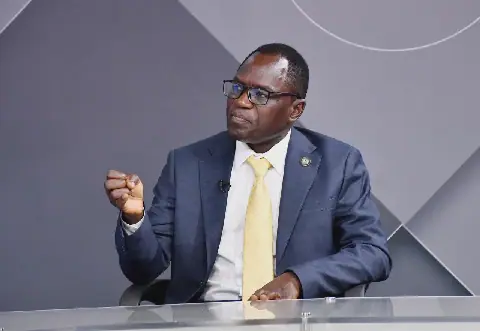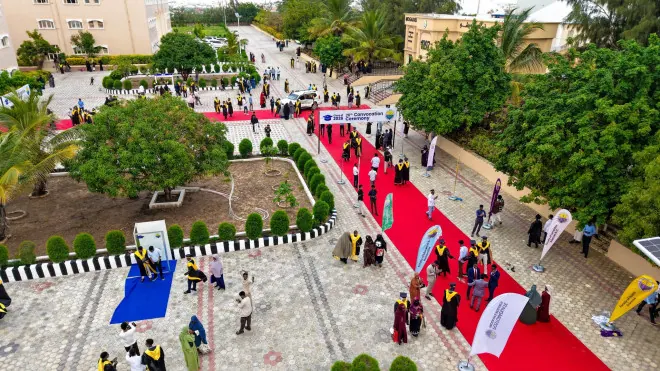
Mogadishu University, a beacon of hope in Somalia, is celebrating its 29th anniversary. Founded in 1997, the university has grown from a modest dream to a distinguished academic institution. Dr. Ali Sheikh Ahmed, the university's first president and one of its founders, expressed his joy and pride as the institution graduates its 26th cohort. The university has provided education to tens of thousands of Somali men and women, contributing significantly to rebuilding the nation.
The establishment of Mogadishu University was a national response to an urgent historical need. In the 1990s, Somalia faced a severe crisis, with state institutions collapsed, educational institutions damaged, and many scholars and professionals leaving the country. The university was born out of a vision to rebuild Somalia by building people through knowledge, intellectual development, and character. This vision was a practical expression of resistance to despair, affirming that war should not stop the pursuit of education.
Over the past 29 years, Mogadishu University has made significant contributions to Somali society. More than 40,000 students have enrolled in the university across its various stages and programs. Tens of thousands have earned undergraduate and postgraduate qualifications, while thousands more continue their studies today. These graduates are now judges, lawyers, journalists, doctors, engineers, teachers, and community leaders, contributing to rebuilding state institutions, providing services to citizens, and developing the economy.
The university's impact extends beyond its students and graduates. Its success has helped restore confidence in the possibility of reviving higher education in Somalia. The university's experience has paved the way for the establishment of other universities, institutes, and higher education institutions in different parts of the country. Mogadishu University has demonstrated that Somali society can establish, preserve, and develop its academic institutions despite the severity of the challenges.
Mogadishu University has also played a significant role in promoting peace and national unity. The university views education as a means of building peace and strengthening national unity. It provides a space where Somalis from different regions and backgrounds meet, learn, and work together on the basis of knowledge, competence, brotherhood, and citizenship. The university environment has demonstrated that knowledge can serve as a bridge to reconciliation and that building an inclusive national identity begins with educational institutions.
The university's achievements are a testament to the power of education in transforming lives and societies. Dr. Ali Sheikh Ahmed congratulated the graduating students, saying that they have reached this moment after years of study and dedication. He also thanked their families for their support and encouragement. The university's 29th anniversary is a celebration of its graduates, its faculty, and its staff, who have worked tirelessly to make the institution a success.
As Mogadishu University looks to the future, it remains committed to its mission of providing quality education and contributing to the development of Somalia. The university's 29-year journey is a story of hope, resilience, and determination. It serves as a reminder that even in the face of adversity, education can be a powerful tool for building a better future. The university's legacy continues to inspire and empower Somali youth, shaping the nation's future and fostering a culture of peace and unity.
Key points
- Mogadishu University has educated over 40,000 students since its establishment in 1997.
- The university has contributed significantly to rebuilding Somalia's state institutions and economy.
- Mogadishu University has paved the way for the establishment of other universities and higher education institutions in Somalia.