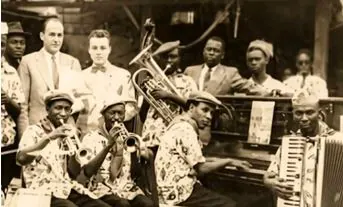
The modernization of Congolese music in the 1940s was characterized by the emergence of new musical formations, including Melo Congo in Brazzaville and Odéon Kinois in Léopoldville, now Kinshasa. According to Lino Depepito, a cultural actor, the introduction of brass and jazz drums in these formations marked a significant departure from traditional music. This evolution was influenced by various musical styles, including fanfares, New Orleans jazz, rumba, and traditional rhythms.
Melo Congo, one of the pioneering groups, combined instruments such as saxophone, clarinet, trumpet, guitar, piano, and drums, and performed in popular dance halls in Poto-Poto and Léopoldville. The group's music was a unique blend of traditional and modern styles, reflecting the changing musical landscape of the time. Depepito noted that Melo Congo's approach was characterized by a strong emphasis on rhythm and melody.
In Léopoldville, the Odéon Kinois, led by Antoine Kasongo, developed a distinct sound that blended brass and rumba. The group's collaboration with guitarist Zacharie Elenga, also known as "Jhimmy," resulted in the recording of several popular tracks for Olympia and Ngoma records. This period was marked by intense competition among musicians, orchestras, and record labels, driving innovation and progress in Congolese music.
The Odéon Kinois boasted notable musicians, including Manuel d'Oliveira, a guitarist, composer, and singer who co-founded the Congolese music style known as "courégisme" with Wendo Kolosoy. D'Oliveira's compositions were characterized by elegance and poetry, reflecting his unique musical style. Another influential musician of the time was Emmanuel Damongo Dadet, a saxophonist, clarinettist, and guitarist who combined folklore with modern jazz harmonies.
Paul Mwanga, a singer-songwriter and troubadour, was known for his songs inspired by the social realities of Kinshasa. His music contributed to the development of traditional-modern rumba chanting. Mwanga's work reflected the changing social and cultural landscape of Kinshasa, and his influence can still be heard in Congolese music today.
Antoine Kasongo, a guitarist and saxophonist, is credited with pioneering the use of brass orchestras in Kinshasa. His music was marked by discipline and a unique blend of rumba and jazz. At the height of his fame in the 1950s, Kasongo incorporated folk melodies and harmonies from Haut-Congo, creating a synthesis of traditional and modern styles.
The modernization of Congolese music in the 1940s laid the foundation for the country's rich musical heritage. The fusion of traditional and modern styles, driven by innovative musicians and groups, paved the way for future generations of Congolese musicians. Today, Congolese music remains a vibrant and dynamic force, reflecting the country's cultural diversity and creativity.
Key points
- The introduction of brass and jazz drums in Congolese music formations in the 1940s marked a significant turning point in the modernization of Congolese music.