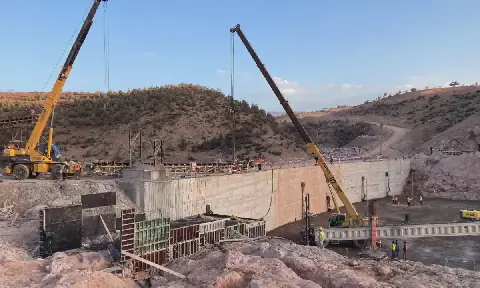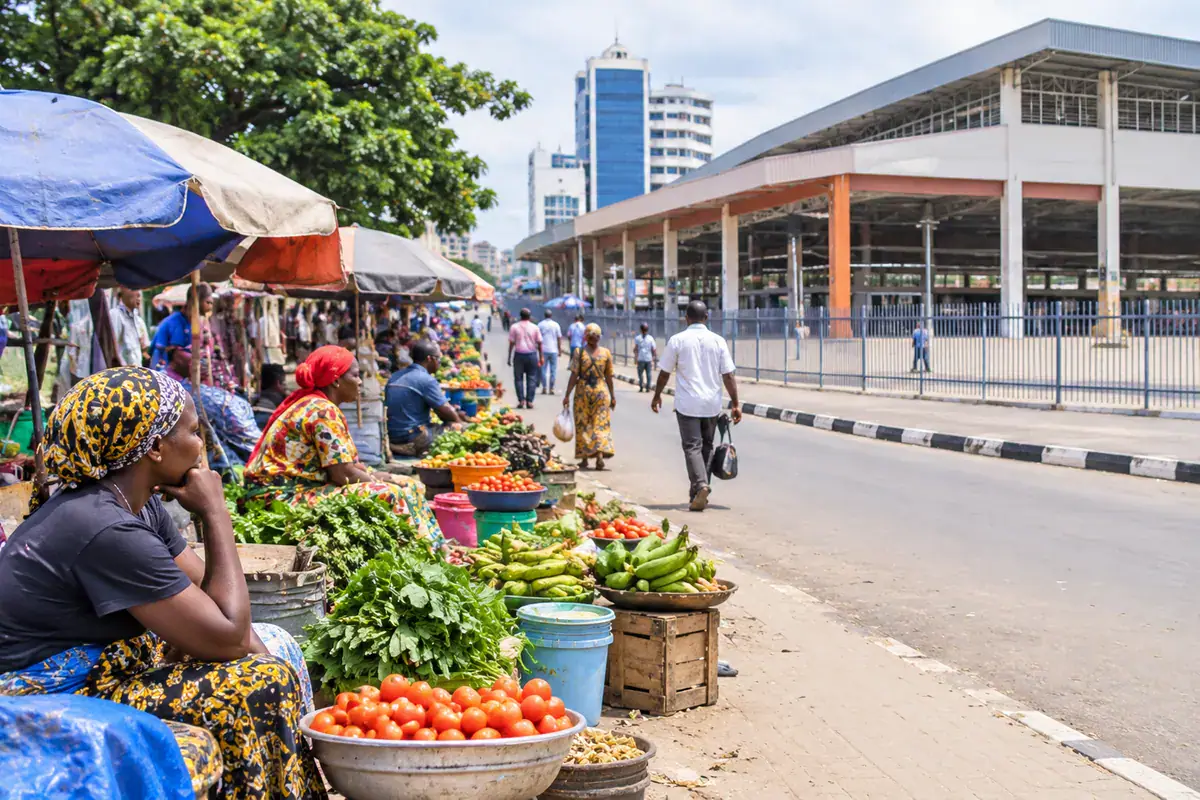
The recent efforts to clean up streets in Dar es Salaam and other urban areas in Tanzania seem to be subsiding. The Minister of State for Local Government had announced plans to relocate street traders in Kariakoo, Dar es Salaam, to a new market being constructed in the Jangwani area, with a projected completion timeline of six months. This is not the first time the government has attempted to remove street traders from the streets. In 2006, a city cleaning exercise was conducted, but the results were short-lived.
The government has invested heavily in constructing new markets to absorb street traders. The Machinga complex was built in 2012 at a cost of 13 billion shillings borrowed from the NSSF, but it has remained largely underutilized. A similar fate has befallen the newly constructed Mivumoni Market in Dar es Salaam, which remains empty with no traders operating at the facility. Despite these efforts, street traders continue to prefer their current locations.
Experts argue that the problem lies in the design and location of the new markets. One gentleman noted that market structures are often conceived with the wishes of public authorities in mind, but with little input from the targeted users. He suggested that single-story, spread market stalls would be more likely to succeed compared to multi-story market structures. A lady commentator added that it takes time for a trading area to pick up, and locational economies play a crucial role.
The location of new market structures is often away from maximum pedestrian movement, which is a source of potential customers. Street traders have been known to abandon new markets, citing a lack of customers. The authorities' efforts to clear street traders without considering their needs and desires have been met with resistance. It is essential to involve street traders in the planning process to ensure that their needs are met.
A recent article on rebuilding cities after a disaster highlighted the importance of focusing on the people. The rebuilders of Antakya, whose nearly 80 percent of buildings were leveled after earthquakes in 2023, prioritized the needs and desires of the people. A planner in charge of rebuilding observed that a city is not just about buildings, but about the people who inhabit and use them.
The government's approach to dealing with street traders needs to be reevaluated. Rather than simply relocating them to new markets, the authorities should work with them to improve their lives. Many street traders operate without toilets or shelter, and new market structures could be targeted towards newcomers in new neighborhoods. The population and other attractions are essential in establishing a successful market.
The issue of street traders is complex and intractable. Despite the government's efforts, the problem persists. It is essential to involve street traders in the planning process and consider their needs and desires. By working together, the authorities can find a solution that benefits both the traders and the community.
Key points
- The government's efforts to relocate street traders to new markets have been met with resistance due to the traders' preference for their current locations.
- The design and location of new markets are critical factors in their success, and involving street traders in the planning process is essential.
- The government's approach to dealing with street traders needs to be reevaluated to prioritize the needs and desires of the traders.
Reporting sources
- Modern markets alone aren’t enough to clear the streets · The Citizen