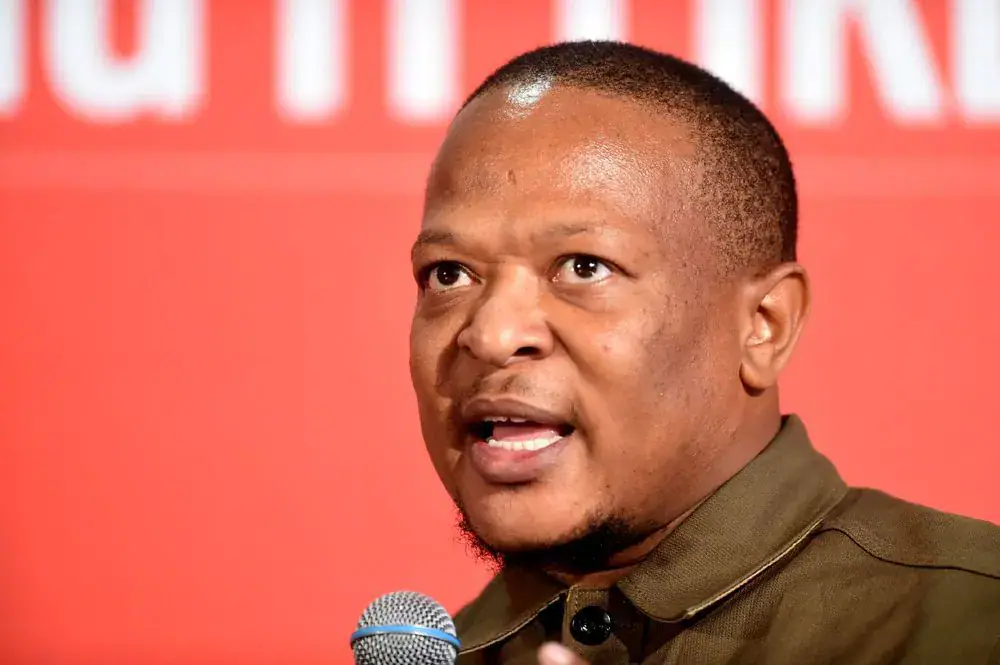
The MK Party's acting deputy secretary-general, Sifiso Mahlangu, has stated that black South Africans were sold a dream in 1994, when the country transitioned to democracy. He argued that while political freedom has been achieved, economic freedom has not followed. Mahlangu made these comments during an MK Party activation programme at the University of Pretoria on Saturday. He emphasized that the land question remains central to South Africa's liberation struggle.
Mahlangu highlighted the historical context of land dispossession in South Africa, which he believes cannot be ignored when discussing the country's democratic achievements and challenges facing black people today. The 1913 Natives Land Act restricted African land ownership to 7% of the country's land, later increased to 13% under the 1936 Native Trust and Land Act. A 2017 Land Audit showed that white individuals owned 72% of agricultural land, while African individuals owned just 4%.
Mahlangu warned that ignoring the fact of dispossession poses a significant threat, likening it to a time bomb. He stressed that South Africa cannot move on from its past without confronting the consequences of colonialism and apartheid. These policies forcibly removed black people from their land and denied them opportunities to own and benefit from it. Mahlangu's comments bring the debate about the meaning of freedom back into focus, more than three decades after the country's first democratic elections.
For many black South Africans, 1994 represented hope for more than just political representation; it was also about access to land, economic opportunities, jobs, housing, and a better life. However, unemployment, poverty, and inequality remain major challenges. Mahlangu's argument is that the country must not forget the historical struggle that brought about democracy, particularly the central role played by land. Addressing historical dispossession is crucial to building a more equal society.
Mahlangu encouraged communities to explore opportunities at the local government level, pointing out that many people are unaware of municipal land policies that could provide access to land. He suggested that residents familiarize themselves with these policies and approach their municipalities to find out what land is available and how they can apply for it. This approach could provide opportunities for communities to access municipal land.
The availability of municipal land and conditions for accessing it differ between municipalities, making it essential for residents to establish what opportunities exist in their areas. Mahlangu's remarks highlight the importance of local government in the broader land reform debate. While national government remains responsible for major land reform programmes, municipalities have their own land assets and policies governing their management and allocation.
Mahlangu's message is that black South Africans must remember the history of dispossession, understand available opportunities, and continue seeking ways to reclaim their future. The question of land, he maintains, cannot be separated from the struggle for genuine freedom. His comments serve as a reminder that the land question remains a critical part of South Africa's political and economic debate.
Key points
- The MK Party's acting deputy secretary-general, Sifiso Mahlangu, says black South Africans were sold a dream in 1994.
- Mahlangu emphasized that the land question remains central to South Africa's liberation struggle.
- He encouraged communities to explore opportunities at the local government level to access land.