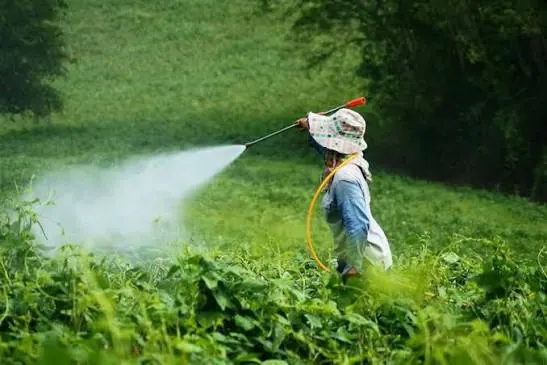
A specialist in food safety and a World Health Organization expert, Youssef Hamdouni, has warned that the misuse of pesticides in Tunisia poses a significant threat to human health and the environment. While pesticides are necessary for crop protection, their improper use and failure to respect safety protocols can have devastating consequences. Hamdouni emphasized that the risks associated with pesticides lie not in their use itself, but in the way they are applied and the quantities used.
Hamdouni explained that pesticide residues can reach consumers in varying quantities, depending on the type of substance, dosage, and method of application. Exceeding permitted levels can turn these residues into a health hazard, particularly with repeated exposure. He noted that high levels of pesticide exposure can lead to acute poisoning, while repeated exposure can result in long-term health complications, including certain types of cancer and reproductive issues.
The specialist stressed that the risks associated with pesticides differ depending on the type, quantity, and duration of exposure, as well as the method of entry into the body. To minimize the transfer of pesticide residues to food, Hamdouni emphasized the importance of adhering to recommended dosages, respecting safety periods before harvesting, and taking preventive measures during application. He called for increased awareness and training for farmers on the safe use of these substances.
The risks associated with pesticides extend beyond human health, according to Hamdouni. Overuse can lead to soil degradation by eliminating beneficial organisms that maintain ecological balance. Pesticides can also contaminate water resources through seepage or surface runoff, threatening groundwater and aquatic ecosystems. Furthermore, Hamdouni warned that pesticides can impact biodiversity, particularly bees, butterflies, and other beneficial insects that play a crucial role in plant pollination and natural pest control.
Hamdouni highlighted the need for a "One Health" approach, which connects human, animal, plant, and environmental health. He advocated for reduced pesticide use and the adoption of more sustainable alternatives, including integrated pest management, biological control, and organic farming. Hamdouni also recommended the gradual withdrawal of high-risk pesticides, stricter controls on smuggling, and enhanced farmer training programs.
To effectively address the risks associated with pesticides, Hamdouni called for strengthened cooperation between health, environmental, and agricultural sectors. This would involve ensuring a balance between agricultural production requirements and protecting human health and the environment. He also suggested regular monitoring of soil, water, and pesticide residues in food to mitigate potential risks.
In conclusion, Hamdouni emphasized that addressing the risks associated with pesticides requires a comprehensive and multi-faceted approach. By adopting a "One Health" strategy and promoting sustainable agricultural practices, Tunisia can minimize the threats posed by pesticide misuse and ensure a healthier environment for its citizens. The implementation of these measures will require concerted efforts from government agencies, farmers, and other stakeholders.
Key points
- Expert calls for "One Health" approach to address pesticide risks
- Misuse of pesticides threatens human health, environment, and biodiversity in Tunisia
- Adoption of sustainable agricultural practices, including integrated pest management and organic farming, recommended.