The Minority in Ghana's Parliament has expressed concerns that the government's flagship New Economy policy is merely a repackaged version of the 24-Hour Economy programme. According to Dr Mohammed Amin Adam, Member of Parliament for Karaga and Ranking Member on Parliament's Finance Committee, six of the eight pillars of the New Economy policy are already contained in the Government's 24-Hour Economy framework. He argued that the policy offers little prospect of addressing Ghana's immediate economic challenges and meeting the urgent employment needs of the youth.
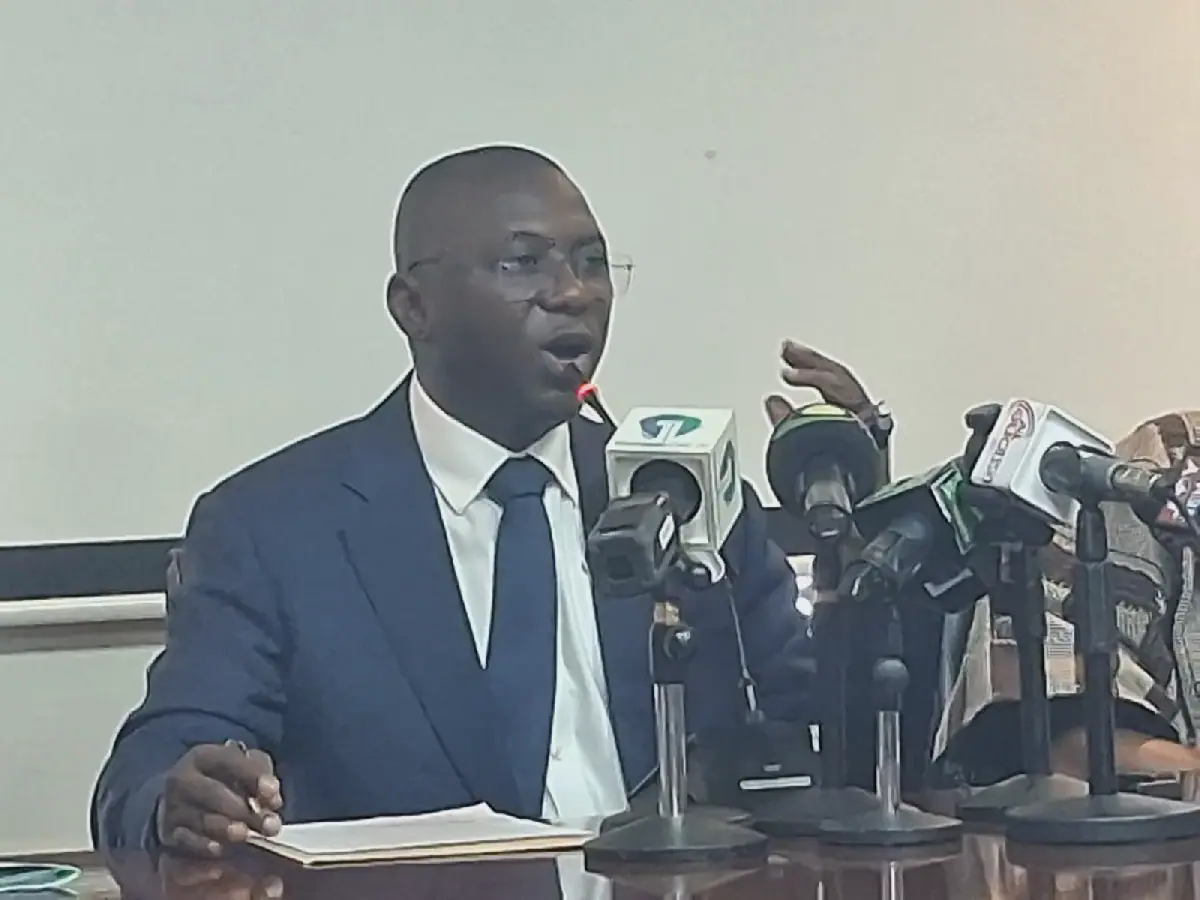
Dr Amin Adam made these comments at a press conference in Parliament on Friday in reaction to the 2027 Budget Statement and Economic Policy. He stated that the New Economy policy is "dead on arrival and full of deception," as it promises jobs in 2030 when the youth need jobs now. The Ranking Member questioned the Government's capacity to mobilise the estimated US$10 billion required to implement the New Economy initiative, citing a lack of a clear financing plan. He also pointed out that the Government had been unable to raise the projected US$4 billion required for the implementation of the 24-Hour Economy programme.
Dr Amin Adam challenged the Government's assertion that the programme would not be funded through borrowing, citing the 2027 Budget's projection of GH¢85 billion in domestic borrowing. He asked why the government intends to raise GH¢85 billion from the domestic market in 2027 if it says it will not borrow to undertake these projects. The Ranking Member acknowledged improvements in some macroeconomic indicators but argued that the gains had not translated into improved living conditions for ordinary Ghanaians. He described the situation as a "paper economy," where positive macroeconomic figures are disconnected from the realities faced by households and businesses.
Despite declining inflation and improvements in other economic indicators, many citizens continue to grapple with high transport fares, electricity tariffs, and fuel prices. Dr Amin Adam criticised what he termed inadequate measures to address youth unemployment, saying the New Economy programme is structured as a medium-term initiative whose major projects would only begin yielding significant results between 2028 and 2032. He argued that the Budget failed to provide a credible response to the immediate demand for jobs and improved livelihoods, which remains a major concern for many Ghanaians.
The Karaga MP also raised concerns about the Government's revenue mobilisation measures, arguing that increases in fees, charges, and taxes would impose additional burdens on households and businesses. He said the Minority would, in the coming days, present a detailed analysis of the 2027 Budget Statement to highlight what it considers gaps and inconsistencies in the Government's economic policy direction. On Thursday, November 12, Dr Cassiel Ato Forson, Minister of Finance, presented the 2027 Budget Statement and Economic Policy to Parliament on the theme: "The New Economy, New Ghana, Jobs and Prosperity."
The Budget outlines a shift from economic stabilisation and recovery towards structural transformation, industrialisation, and job creation, with targets of about eight per cent real Gross Domestic Product (GDP) growth and unemployment below eight per cent by 2030. Dr Amin Adam's comments reflect the Minority's scepticism about the government's economic policy direction. The Minority's concerns may have implications for the government's ability to implement its flagship programme.
The government's New Economy policy has been met with criticism from various stakeholders, including the Minority in Parliament. The policy's success will depend on its ability to address the country's economic challenges and create jobs for the youth. The government's ability to mobilise the required funding and implement the programme's projects will be crucial in determining its success. The Minority's detailed analysis of the 2027 Budget Statement is expected to provide further insights into the government's economic policy direction.
Key points
- The Minority criticizes the New Economy policy as a repackaged 24-Hour Economy programme with a lack of clear financing plan.
- The policy's success depends on its ability to address youth unemployment and create jobs.
- The government's ability to mobilise funding and implement projects will determine the policy's success.
Reporting sources
- Minority describes New Economy policy as repackaged 24-Hour Economy programme · Ghana News Agency