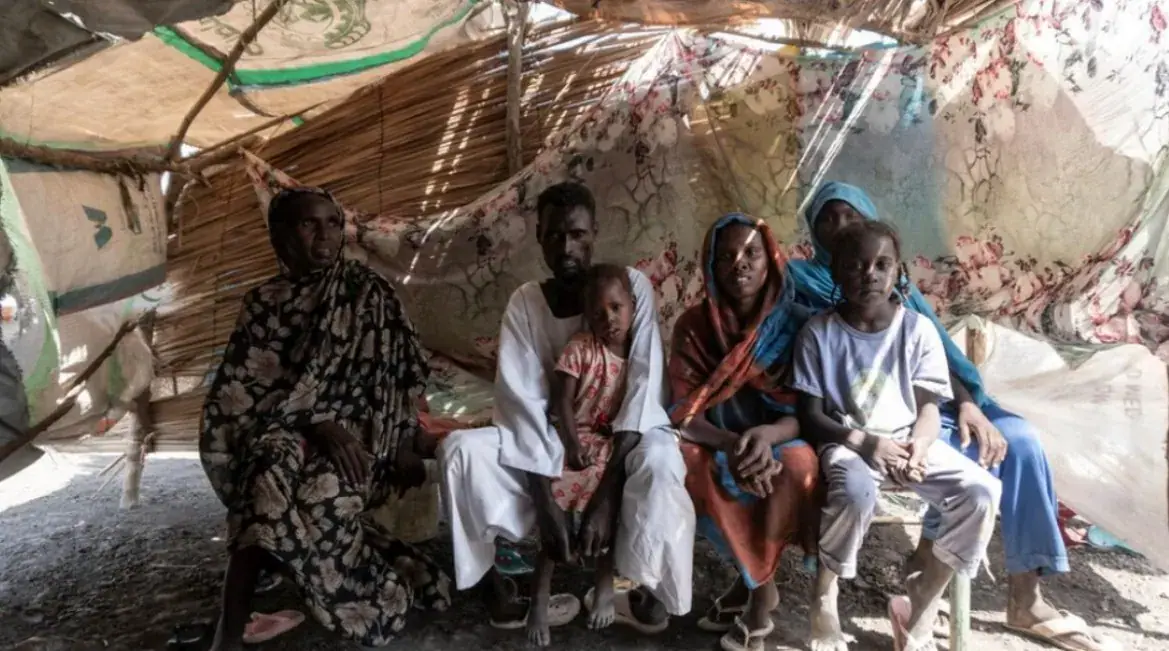
The United Nations Refugee Agency (UNHCR) and the International Organization for Migration (IOM) have issued a warning that millions of people in Sudan who have been forced to flee their homes due to the devastating conflict are at risk of losing emergency shelter. This is due to severe funding shortages that threaten to deplete emergency shelter stocks and other essential supplies. The crisis has left an estimated 15.4 million people in urgent need of emergency shelter and essential household items.
Despite the dire need, funding constraints have limited humanitarian agencies to prioritizing assistance for just 10 per cent of those in need. So far, only 936,000 people have received assistance, leaving a significant gap between growing needs and available resources. The two agencies stress that without an urgent injection of flexible funding, more families will have to endure the coming months without adequate protection from harsh weather, insecurity, and the risks of violence and exploitation.
Sudan's conflict, which has been ongoing for over three and a half years, remains the world's largest displacement crisis. Around 8.6 million people remain displaced within Sudan, while more than 4.6 million have fled across borders. Additionally, over 5.2 million people have returned to their areas of origin, many of whom are arriving in communities where homes, infrastructure, and essential services have been damaged or destroyed.
For families repeatedly displaced by conflict, a safe place to sleep and basic household supplies are crucial for their safety and dignity, particularly for women, children, and other people at heightened risk. Shelter assistance is often the first step towards rebuilding their lives for those returning home. However, humanitarian operations are struggling to keep pace due to continued fighting, insecurity, drone attacks, damaged infrastructure, and logistical challenges.
The 2026 Humanitarian Needs and Response Plan for Sudan requires US$2.9 billion to provide life-saving assistance to 20.4 million people out of the 33.7 million in need across the country. However, the appeal remains severely underfunded, with only around 47 per cent of the required resources received. This has forced humanitarian agencies to scale back essential services and prioritize only the most urgent needs.
The UNHCR and IOM are committed to working with local humanitarian organizations and other partners to maintain shared supply pipelines, pre-position emergency stocks in priority areas, and deliver assistance where needs are greatest. These joint efforts aim to strengthen local response capacity, improve coordination, and ensure humanitarian aid reaches affected communities as quickly and safely as possible.
The consequences of further funding delays could be devastating for millions of families who have already lost their homes, livelihoods, and sense of security. Urgent action is needed to ensure that people fleeing violence and those trying to rebuild their lives after returning home are not left without a safe place to shelter and the basic necessities to live with dignity.
Key points
- Sudan's 2026 Humanitarian Needs and Response Plan requires US$2.9 billion but remains severely underfunded.
- 15.4 million people urgently need emergency shelter and essential household items.
- Only 936,000 people have received assistance so far, leaving a vast gap in needs and resources.
Reporting sources
- Millions in Sudan risk losing emergency shelter as funding runs out · The Tanzania Times – News from Tanzania, Africa, World, Breaking News, Weather, Environment and Climate Change