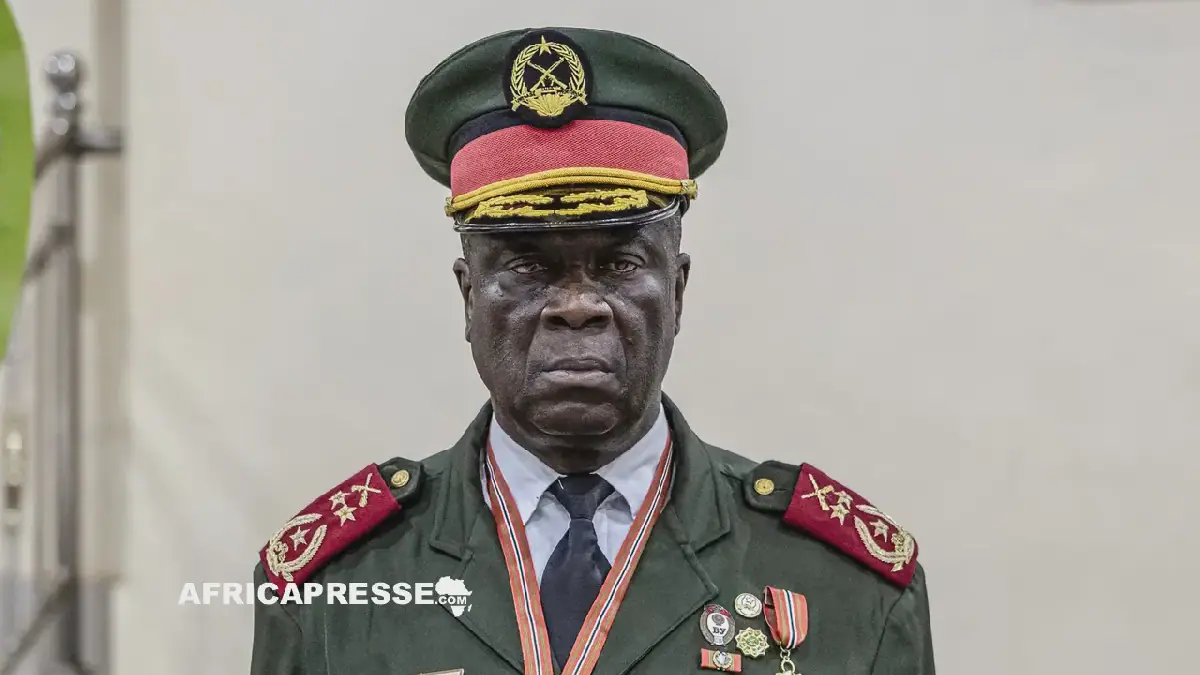
It has been one year since the military coup in Guinea-Bissau, which took place on November 26, 2025. The junta, led by General Horta N'Tam, has failed to fulfill its promise of a one-year transition to civilian rule. Instead, the junta has tightened its grip on power, postponing elections indefinitely and intensifying repression against opponents. The elections, which were scheduled for December 6, have been postponed sine die, and the main political leaders remain in exile.
In the months following the coup, the junta carried out a massive purge in the army, government, institutions, and civil service. Close associates of former President Umaro Sissoco Embalo were removed from their positions. The junta also cracked down on political parties and civil society, contradicting its promise of a short and open transition. This has raised suspicions that the junta intends to consolidate its power and remain in control for an extended period.
The coup, which was announced by Embalo himself, was met with skepticism by the opposition, civil society, and observers. Many suspected that Embalo was behind the coup to avoid electoral defeat, which he has consistently denied. The adoption of a new constitution in a referendum, which strengthened the president's powers, seemed to confirm these suspicions. The junta's actions have been widely criticized, and the international community has been unable to exert significant pressure on the junta to restore civilian rule.
The situation in Guinea-Bissau remains uncertain, with no credible electoral calendar in sight. The postponement of the December 6 elections has raised doubts about the junta's willingness to hold new elections and transfer power to civilians. The partial lifting of the ban on political activities, announced on November 24, may be a facade of democracy without guaranteeing a genuine opening. The continued exile of main political leaders has deprived the opposition of effective representation in the public debate.
The population of Guinea-Bissau is facing persistent political instability and a lack of democratic prospects. The international community, already divided on the legitimacy of the coup, has been unable to influence the course of events. Regional partners, including the Economic Community of West African States (ECOWAS), have remained silent in the face of the junta's actions. This diplomatic inertia contrasts with the junta's determination to maintain its grip on power.
The return of Embalo to the country and his candidacy for the presidency, announced in October, have further complicated the situation. The authorities cited a lack of "necessary security conditions" to justify their decision, while accelerating the purge. The mystery surrounding Embalo's intentions, between announced return and prolonged silence, adds to the uncertainty. The junta's actions have created a challenging environment for the population and the international community.
As the situation in Guinea-Bissau continues to unfold, the country's future remains uncertain. The junta's failure to fulfill its promise of a transition to civilian rule has raised concerns about its intentions. The international community must find a way to exert pressure on the junta to restore democratic order and ensure the country's stability.
Key points
- The junta's actions have raised suspicions that it intends to consolidate its power and remain in control for an extended period.