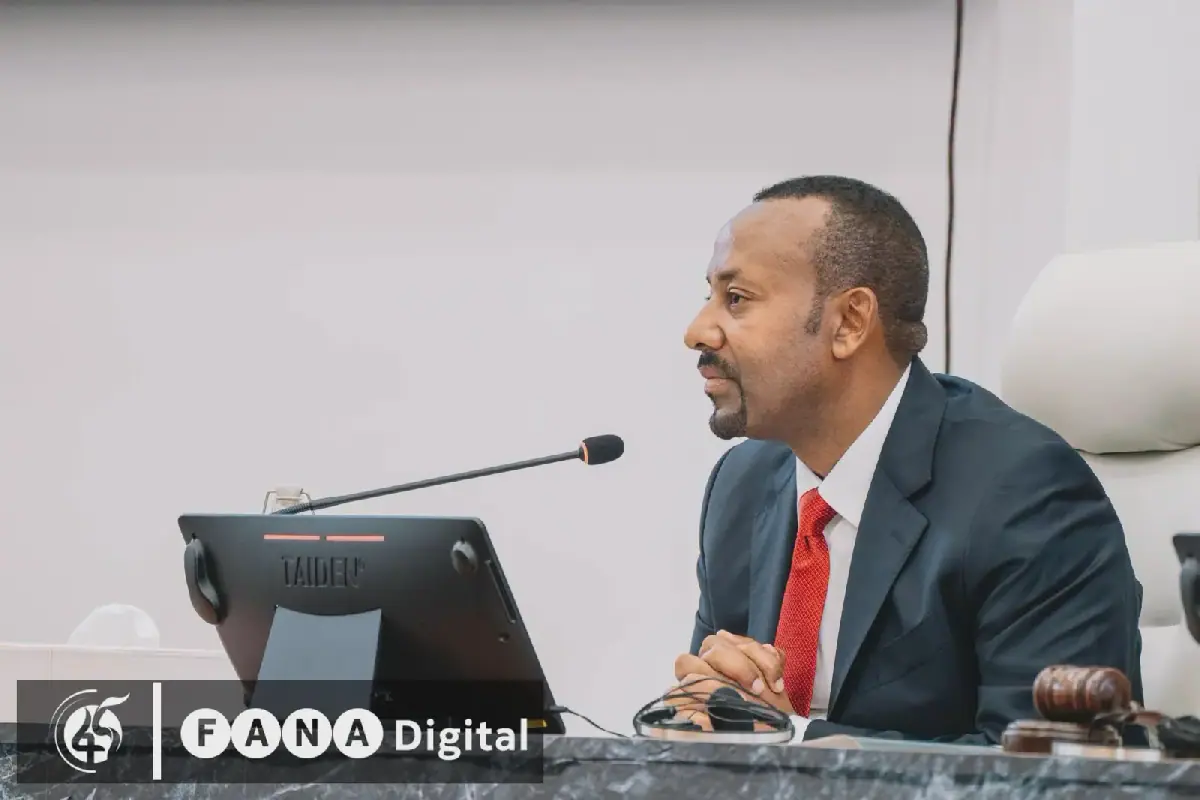
Ethiopian Prime Minister Dr. Abiy Ahmed stated that the country has successfully built a resilient economic system through years of economic reform efforts. Speaking at the 7th Ethiopian Parliament's first-year session, fourth regular meeting, PM Abiy highlighted the significant progress made in reforming the economy. He emphasized that the reform aimed to create a robust economy capable of withstanding challenges. The PM's remarks came in response to questions and comments from parliament members.
According to PM Abiy, Ethiopia's economy had not undergone a comprehensive review in the past 11 years. To address this, a high-level review was conducted over the past year to incorporate new economic sectors and eliminate non-performing ones. This review enabled the inclusion of previously unaccounted sectors such as the digital economy, corridor development, cluster farming, and green initiatives. The PM noted that these sectors were not previously measured in the country's economic calculations.
The review also included new areas such as conference tourism, tourism infrastructure, and other service sectors. By incorporating these sectors, the country's economic data has become more comprehensive. PM Abiy reported that as a result of the reforms, Ethiopia's total national product has reached $210 billion, making it the third-largest economy in sub-Saharan Africa, after South Africa and Nigeria.
The Prime Minister emphasized that the economic reform has been instrumental in transforming the country's economy. He highlighted that the reforms have enabled Ethiopia to build a more resilient and robust economy. The PM's statement reflects the government's efforts to promote economic growth and development in the country.
The economic reform efforts have also focused on promoting investment and improving the business environment. The government has implemented various measures to attract foreign investment and encourage local entrepreneurship. These efforts aim to drive economic growth and create job opportunities for Ethiopians.
Ethiopia's economic growth has been impressive in recent years, with the country achieving an average annual growth rate of 9%. The government aims to maintain this growth momentum and create a more diversified economy. The Prime Minister's statement underscores the government's commitment to economic development and its efforts to build a more resilient economy.
The 7th Ethiopian Parliament's session provides a platform for the government to review its progress and outline its plans for the future. The Prime Minister's address highlights the government's focus on economic development and its efforts to address the challenges facing the country. The session also enables parliament members to engage in discussions and provide oversight on the government's policies.
Key points
- Ethiopia's economy has reached $210 billion, making it the third-largest economy in sub-Saharan Africa.
Reporting sources
- ፈተናዎችን የሚቋቋም የኢኮኖሚ ሥርዓት መገንባት ችለናል – ጠቅላይ ሚኒስትር ዐቢይ (ዶ/ር) · Fana Broadcasting Corporate