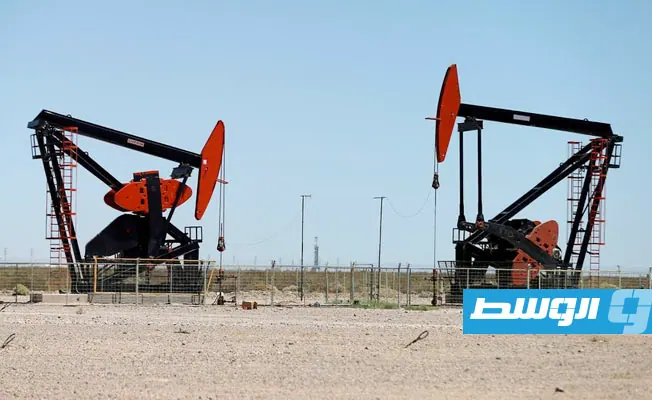
Middle East oil exports, excluding Iran, have exceeded pre-war levels, with shipments reaching 18 million barrels per day. This development comes despite recent attacks on tankers in the Strait of Hormuz. According to data from Kpler, a company specializing in tracking maritime traffic, this is the first time weekly shipments have surpassed pre-war levels since the US and Israel launched an attack on Iran in late February.
The increase in oil exports is a significant development, especially considering the ongoing tensions in the region. The Strait of Hormuz is a critical waterway for oil shipments, and attacks on tankers have raised concerns about the security of oil supplies. However, it appears that oil exports have not been significantly impacted, with shipments continuing to flow at a steady rate.
The data from Kpler suggests that oil exports from the Middle East have been resilient in the face of regional tensions. The company's tracking data provides valuable insights into maritime traffic and oil shipments, allowing analysts to monitor trends and developments in the region. The increase in oil exports is likely to be welcomed by oil markets, which have been impacted by concerns about supply disruptions.
The development is also significant in the context of the ongoing conflict between the US and Iran. The attack on Iran in late February had raised concerns about the potential for further escalation and its impact on oil supplies. However, it appears that oil exports have continued to flow, despite the tensions. This is likely to be seen as a positive development by oil markets and may help to alleviate concerns about supply disruptions.
The increase in oil exports from the Middle East is also likely to have implications for the global oil market. The region is a significant player in the global oil market, and changes in oil exports can have a significant impact on global supply and demand. The data from Kpler suggests that oil exports from the Middle East are continuing to flow at a steady rate, which is likely to help stabilize the global oil market.
The resilience of oil exports in the face of regional tensions is a testament to the complex and interconnected nature of the global oil market. The market is influenced by a wide range of factors, including geopolitics, supply and demand, and market sentiment. The data from Kpler provides valuable insights into the impact of regional tensions on oil exports and highlights the importance of monitoring maritime traffic and oil shipments.
The situation in the Middle East remains complex and fluid, with ongoing tensions between the US and Iran. However, the data from Kpler suggests that oil exports from the region are continuing to flow at a steady rate, which is likely to help stabilize the global oil market. As the situation continues to evolve, it will be important to monitor developments and assess their impact on the global oil market.
Key points
- Middle East oil exports have surpassed pre-war levels, reaching 18 million barrels per day.