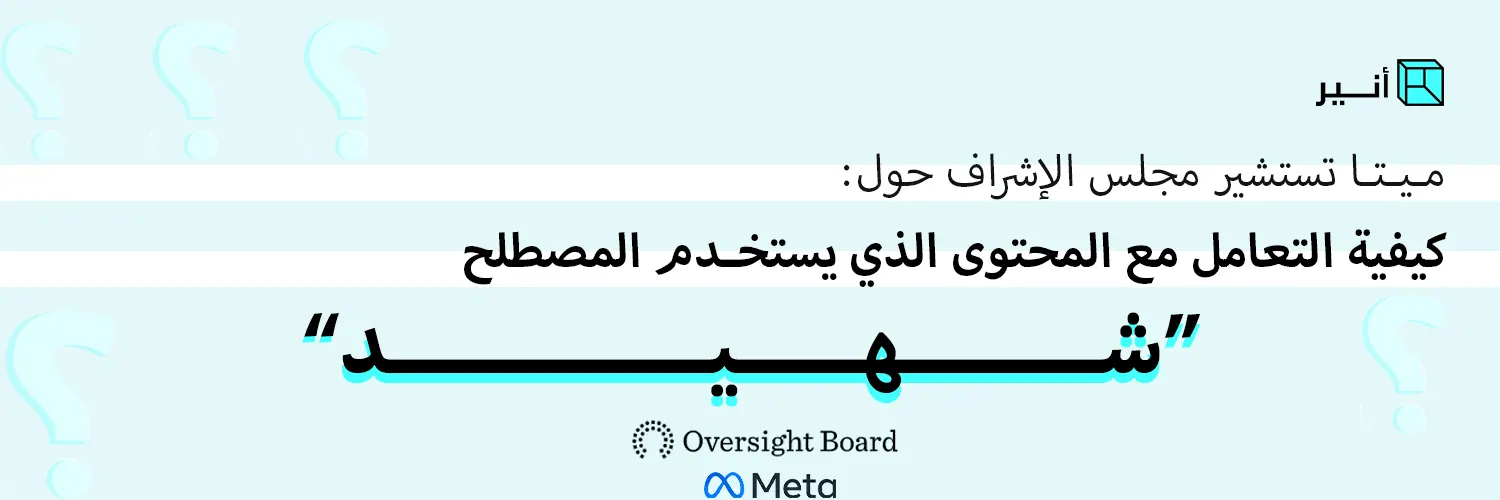
Meta has sought guidance from its oversight board on how to handle content featuring the term "martyr," amid concerns that its current policies may be overly broad. The term, which has multiple meanings in Arabic, is often used to describe individuals who have died in conflict or as a result of violence. However, Meta's policies currently prohibit content that uses the term to praise or support individuals or organizations deemed to be of high risk.
The oversight board, established in 2018 by Meta CEO Mark Zuckerberg, is an independent body that reviews content moderation decisions. It comprises 40 members from around the world, representing diverse backgrounds and expertise. The board's decisions are binding, and it has the power to overturn Meta's content moderation decisions. In this case, Meta is seeking guidance on whether to maintain its current policy of removing content featuring the term "martyr" or to adopt a more nuanced approach.
Meta's current policies prohibit content that praises or supports individuals or organizations deemed to be of high risk, including those designated as terrorist organizations by the US government. The company has removed a significant amount of content featuring the term "martyr" under this policy, but has faced criticism that its approach may be overly broad. Meta has acknowledged that the term has multiple meanings and connotations, and that its current approach may not be effective in addressing the complexities of the issue.
To inform its decision, Meta has conducted research on the usage of the term "martyr" in different contexts and languages. The company has also consulted with experts in Arabic language and culture, as well as with human rights and digital rights organizations. The research has highlighted the complexities of the issue, including the fact that the term "martyr" can be used in a variety of contexts, including news reporting and neutral discussions.
The oversight board's guidance is expected to help Meta navigate the complexities of content moderation and ensure that its policies are effective in addressing the risks associated with the term "martyr." The board's decision will also have implications for Meta's approach to content moderation more broadly, as it seeks to balance the need to prevent harm with the need to protect freedom of expression.
Meta has proposed several options for handling content featuring the term "martyr," including maintaining its current policy, allowing the term to be used in certain contexts such as news reporting, or removing content that uses the term to praise or support individuals or organizations deemed to be of high risk. The oversight board's guidance will help Meta determine the most effective approach.
The issue highlights the challenges faced by social media companies in balancing the need to prevent harm with the need to protect freedom of expression. Meta's policies and practices have been subject to scrutiny from governments, civil society organizations, and users, who have called for greater transparency and accountability in content moderation decisions.
Key points
- Meta is seeking guidance from its oversight board on how to handle content featuring the term "martyr," amid concerns that its current policies may be overly broad.
- The oversight board's guidance is expected to help Meta navigate the complexities of content moderation and ensure that its policies are effective in addressing the risks associated with the term "martyr."
- The issue highlights the challenges faced by social media companies in balancing the need to prevent harm with the need to protect freedom of expression.