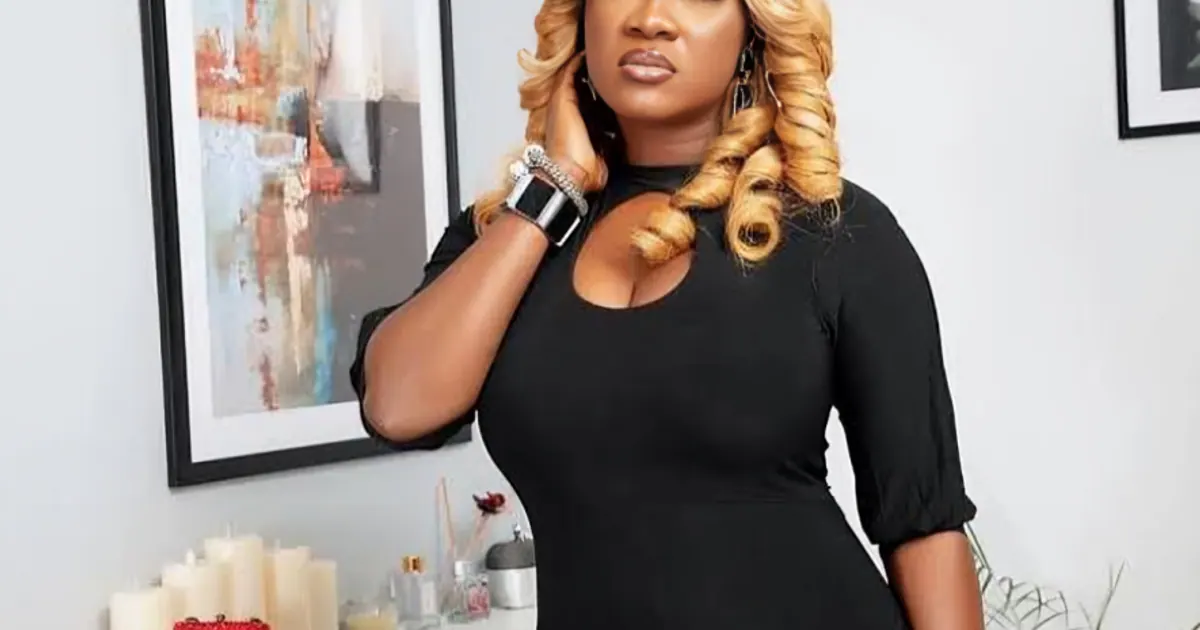
Mercy Johnson, a well-known Nollywood actress, has publicly accused Power Oil of allegedly using her image without authorization or compensation. In an Instagram post, Johnson expressed her frustration over the company's continued use of her photos on billboards and buses, despite her contract expiring four years ago. She questioned why the brand felt entitled to use her image without consulting her team or providing compensation.
According to Johnson, her contract with Power Oil expired four years ago, but the company has continued to display her image on public advertisements. She shared images of her face on buses and billboards, highlighting the widespread use of her likeness. Johnson's post sparked a conversation about the use of celebrities' names, likenesses, and images in commercial advertising, and the importance of respecting their rights.
Johnson's complaint has raised questions about consent, compensation, and the scope of the original contract. Endorsement deals typically grant brands specific rights to use a celebrity's image for an agreed period and under defined terms. Continued use after an agreement expires can be considered unauthorized and potentially unlawful. Johnson's situation has sparked debate about the need for clearer guidelines and regulations in the entertainment industry.
In her Instagram post, Johnson urged Power Oil to respond to her team and explain their actions. She asked if the brand would dare to use her image without permission in India, where the company's parent group has roots. Johnson's tone was assertive but measured, as she sought an explanation for the company's actions and potentially, compensation for her image's continued use.
The incident highlights the challenges celebrities face in protecting their image and intellectual property. Johnson's experience is not unique, as many entertainers have struggled with unauthorized use of their likeness in commercial advertising. Her public complaint may prompt a re-evaluation of the entertainment industry's approach to endorsement deals and the use of celebrities' images.
Mercy Johnson has become a prominent voice in the Nollywood industry, known for her acting talent and advocacy. Her complaint against Power Oil has sparked a wider conversation about celebrities' rights and the need for greater respect for their image and intellectual property. As the situation unfolds, it will be interesting to see how Power Oil responds to Johnson's allegations and what implications this may have for the entertainment industry.
The controversy surrounding Johnson's image has brought attention to the often-complex relationships between celebrities, brands, and advertising agencies. As the entertainment industry continues to evolve, it is essential to establish clear guidelines and regulations to protect celebrities' rights and prevent unauthorized use of their image. This incident serves as a reminder of the importance of respecting celebrities' intellectual property and the need for transparency in endorsement deals.
Key points
- Mercy Johnson has accused Power Oil of using her image without permission or compensation, four years after her endorsement contract expired.
- The incident has sparked a conversation about the use of celebrities' names, likenesses, and images in commercial advertising, and the importance of respecting their rights.
- Johnson's complaint has raised questions about consent, compensation, and the scope of the original contract, highlighting the need for clearer guidelines and regulations in the entertainment industry.