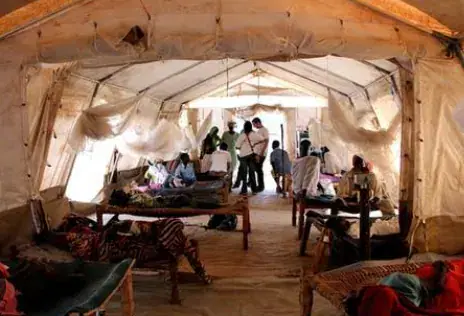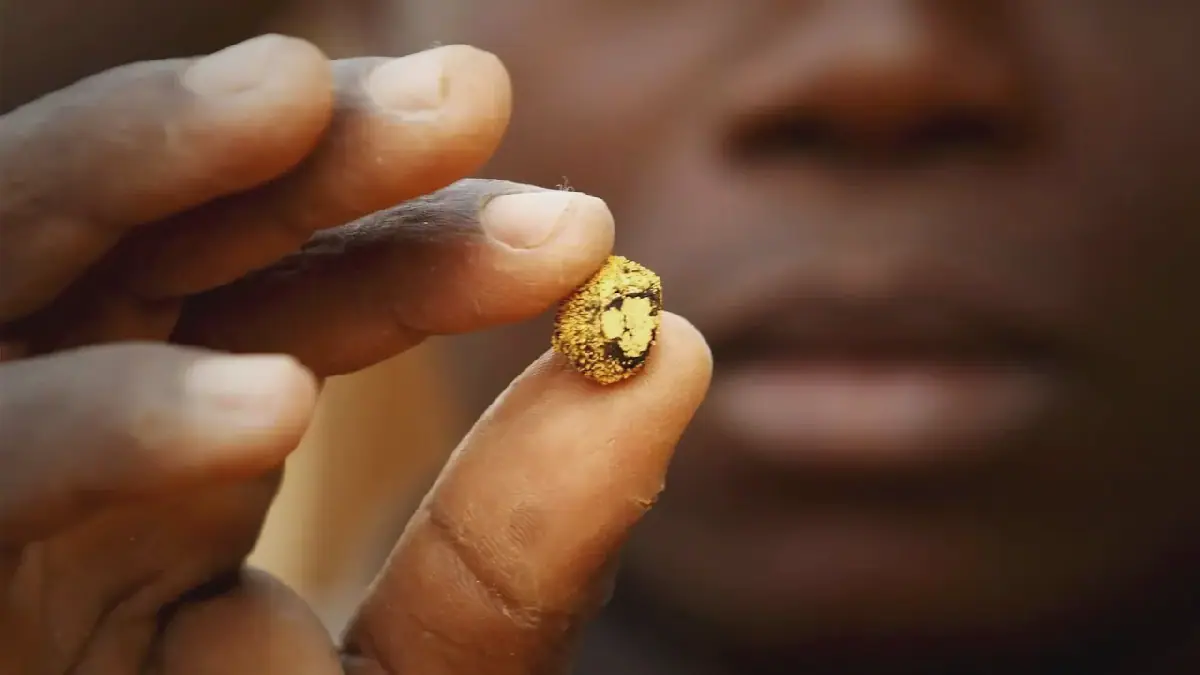
In Ghana's Upper East Region, communities like Talensi are grappling with the health impacts of illegal mining, known as galamsey. The District Health Directorate has recorded at least six babies born with congenital abnormalities in recent years. While a direct link to galamsey has not been scientifically established, concerns are growing about exposure to chemicals like mercury and cyanide. Dr. Juliana Akugri Anam-Erime, the local District Director of Health Services, expressed worry about the potential health effects on residents.
Mercury, a toxic heavy metal used in small-scale gold extraction, is a particular concern. It can persist in the environment, entering the food chain and posing a threat to communities dependent on rivers, fish, and agricultural produce. At a symposium on mercury pollution, scientists explained how mercury can move from mining sites into water bodies, sediments, and aquatic organisms, ultimately being consumed by humans. Dr. Grace Armstrong of the US Geological Survey's Mercury, Metals and Microplastics Research Laboratory described how mercury vapour can settle in nearby communities, soils, and water bodies or travel long distances before being deposited.
In aquatic environments, microorganisms can transform mercury into methylmercury, a more toxic form that accumulates in aquatic organisms and moves through the food chain. Humans may be exposed through consuming contaminated fish. Professor Daniel Nukpezah of the University of Ghana's Institute for Environment and Sanitation Studies noted that mercury can move between air, water, soil, sediments, and living organisms, making its management challenging. He cited Minamata disease in Japan as an example of the severe consequences of mercury exposure.
A 2024 baseline assessment in selected communities in the Western Region found mercury concentrations in sediments between two and 25 times higher than the US stream sediment average. Some unfiltered river-water samples recorded concentrations more than 55 times the US average. However, filtered samples had mercury concentrations more than 10 times lower than their unfiltered counterparts, suggesting that much of the substance was associated with suspended particles.
The assessment also found that all household drinking-water samples collected from pipes, boreholes, and wells were below the World Health Organisation's cited drinking-water criterion of one part per billion. Fish samples were below the US Environmental Protection Agency's consumption criterion, but limited fish availability restricted the number of samples collected. Mercury was detected in some cassava and cocoa samples, but further investigation is required to determine if the findings indicate a health risk.
Mercury is a potent neurotoxin, particularly harmful to developing brains, and can also affect other organs and reproductive health, including pregnant women and unborn children. Research has documented elevated mercury exposure among miners and community members, as well as associations between chemicals linked to galamsey and reproductive health problems. Ongoing research has identified cases of spontaneous abortion associated with heavy-metal contamination, although further scrutiny is required to confirm these findings.
The reports underscore the need for systematic health surveillance, including studies measuring heavy metals in biological samples from people living in mining-affected areas. Health experts are investigating possible connections between environmental pollution and reported health issues, such as cleft conditions in children. Key findings include mercury contamination in rivers and soil, health risks to communities reliant on affected resources, and the need for further research to establish causal links between galamsey and health outcomes.
Key points
- Mercury from galamsey contaminates Ghana's environment and food chain.
- Exposure to mercury poses significant health risks, particularly for unborn children.
- Systematic health surveillance is needed to understand the full impact on affected communities.