Child mental health systems in South Africa are currently organised around crisis response, but experts argue that this approach is not effective in preventing mental health difficulties in young people. Mental health issues frequently emerge during childhood and adolescence, and young people often experience multiple difficulties at the same time. Anxiety and depression are common among children and adolescents, and can have a significant impact on their relationships, schooling, and everyday functioning.
The current mental health system in South Africa is facing significant challenges, including a shortage of specialist child and adolescent mental health services. These services are scarce and unevenly distributed, and symptoms of depression and anxiety are common among young adolescents. Expanding specialist services is essential, but it is also important to provide support earlier and through a wider range of people and settings.
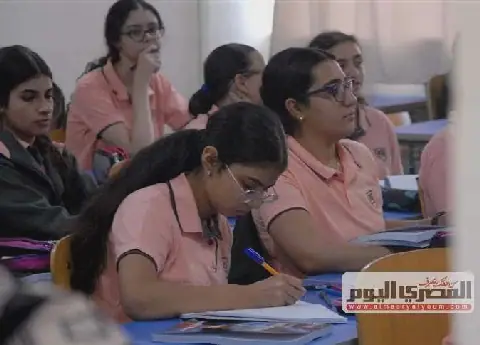
Schools have an important role to play in providing mental health support to young people. Young people spend much of their lives in school, and changes in behaviour, participation, or wellbeing may first become visible there. Schools can create opportunities for mental health promotion, prevention, and early support, provided that this work is accompanied by appropriate training, supervision, and attention to implementation.
One approach that has been shown to be effective in providing mental health support to young people is task sharing. This involves training people who are not specialist mental health professionals to deliver specific evidence-based interventions within clearly defined roles and with appropriate supervision. The World Health Organization and Unicef have developed a programme called EASE, which is designed for adolescents aged 10 to 14 experiencing emotional distress.
The EASE programme has been adapted for South Africa and has been evaluated in four public schools in the Western Cape. The evaluation found that adolescents, caregivers, facilitators, and school stakeholders generally regarded the programme as feasible and acceptable in school settings. Participants also reported using the skills they had learnt in everyday life and described perceived benefits for emotional wellbeing and relationships.
The implementation of EASE-SA requires partnership and collaboration between different stakeholders, including schools, community organisations, and government departments. The Alan J Flisher Centre for Public Mental Health has been working closely with the Western Cape departments of Social Development, Education, and Health, as well as several community organisations, to deliver EASE-SA in schools and other community settings.
Involving young people and communities in adapting or refining mental health programmes is crucial. The Youth Development Team at the Alan J Flisher Centre for Public Mental Health is a group of young people who advise staff and give input on current and future interventions and research. This approach is in line with the theme of this year’s World Mental Health Day, “Lived experiences heard: real voices, real change”.
Key points
- Mental healthcare for young people in South Africa needs to shift from crisis response to early prevention and intervention.
- Schools have an important role to play in providing mental health support to young people.
- Task sharing and programmes such as EASE-SA can help provide mental health support to young people in South Africa.