A recent report published by the medical journal The Lancet warns that climate change is posing an escalating threat to human health, leading to an alarming rise in deaths due to extreme weather conditions. The study calls for climate change to be recognised as a “global health emergency”. This warning comes as the world grapples with the devastating impacts of climate change, from intense natural disasters to severe health crises. The report's findings highlight the urgent need for a coordinated global response to address the health challenges posed by climate change.
Between 2016 and 2023, approximately 3 million deaths were attributed to global warming, according to findings from the Lancet Countdown, which examines climate-related health risks. Notably, heat-related deaths surged, with the report linking heat to 710,000 fatalities in 2023, of which over 70% were due to human-induced climate change. This staggering number underscores the lethal impact of rising temperatures on human health. The Lancet Countdown's analysis provides a comprehensive overview of the health risks associated with climate change, emphasizing the need for immediate action.
Marina Romanello, the report’s lead author, expects the year 2025 to be even more deadly. The report uniquely quantifies heat-related deaths tied directly to climate change for the first time, analysing 54 indicators to assess its impact on health. Romanello highlighted that the death toll from extreme heat represents merely “the tip of the iceberg”. This suggests that the actual number of deaths and health impacts attributed to climate change may be significantly higher than reported. The report's methodology provides a more accurate understanding of the health risks associated with climate change.
The hidden costs of climate change include increased illnesses, strain on healthcare systems, and the risk of heat stress for outdoor workers. The report estimates global income losses linked to heat exposure to exceed $1 trillion by 2025, significantly affecting agriculture and construction. These economic impacts will have far-reaching consequences, exacerbating poverty and inequality. As the world grapples with the challenges of climate change, it is essential to consider the economic and social implications of this global health emergency.
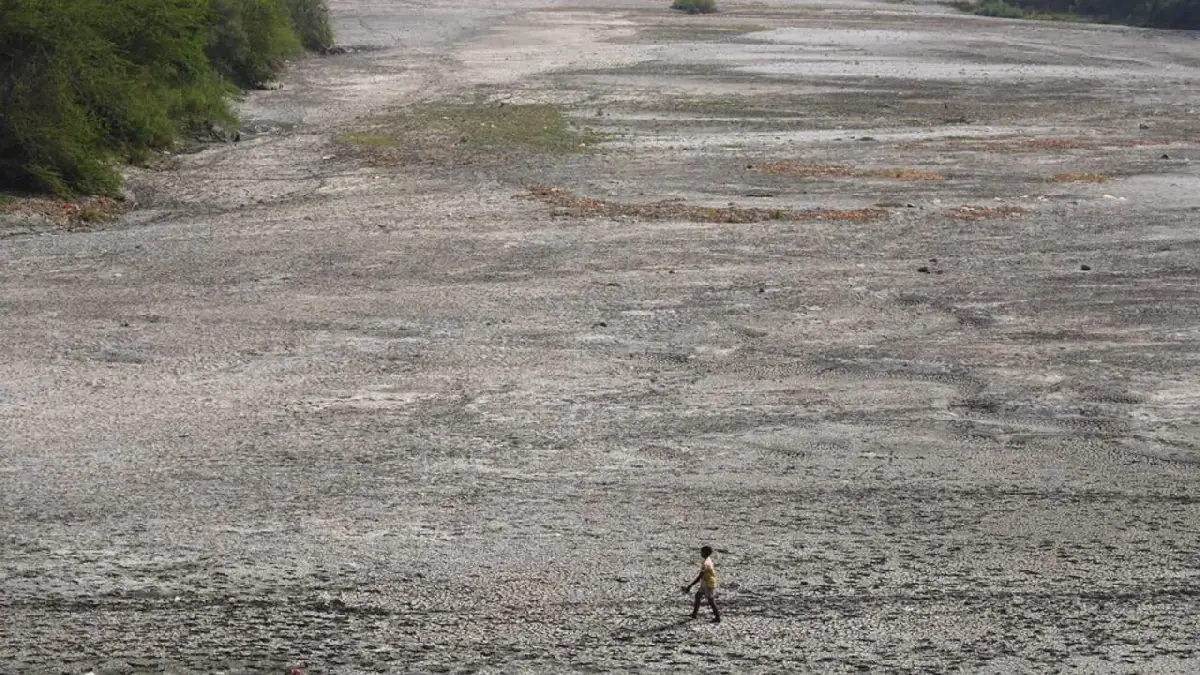
Drought is also identified as a growing health concern, with areas experiencing water scarcity increasing by 700% from 2016 to 2025. Last year, drought impacted more than half of the world’s land for at least a month, while intense rainfall led to flooding and landslides, exacerbating the spread of diseases like dengue, which thrive in warmer, wetter conditions. The report highlights the need for a comprehensive approach to address the health impacts of climate change, including drought and water scarcity.
While the report acknowledges some progress, such as the benefits of renewable energy adoption and increased funding for climate-health research, it cautions that these gains are overshadowed by the rapid escalation of climate risks. Fossil fuels still supply 80% of global energy, leading to record-high emissions and millions of avoidable deaths each year. The report emphasizes the need for a coordinated global response to address the health challenges posed by climate change, including a shift towards renewable energy sources.
As the next United Nations climate summit nears, the researchers urge for the formal recognition of climate change as a public health emergency, advocating for a coordinated global response similar to strategies implemented during public health crises like Ebola and Covid-19. Romanello insists that a more integrated approach is crucial to address the long-term health challenges posed by climate change. The report's findings serve as a stark reminder of the urgent need for collective action to mitigate the health impacts of climate change.
Key points
- Climate change poses an escalating threat to human health, leading to an alarming rise in deaths due to extreme weather conditions.
- The report estimates global income losses linked to heat exposure to exceed $1 trillion by 2025.
- Researchers urge for the formal recognition of climate change as a public health emergency.