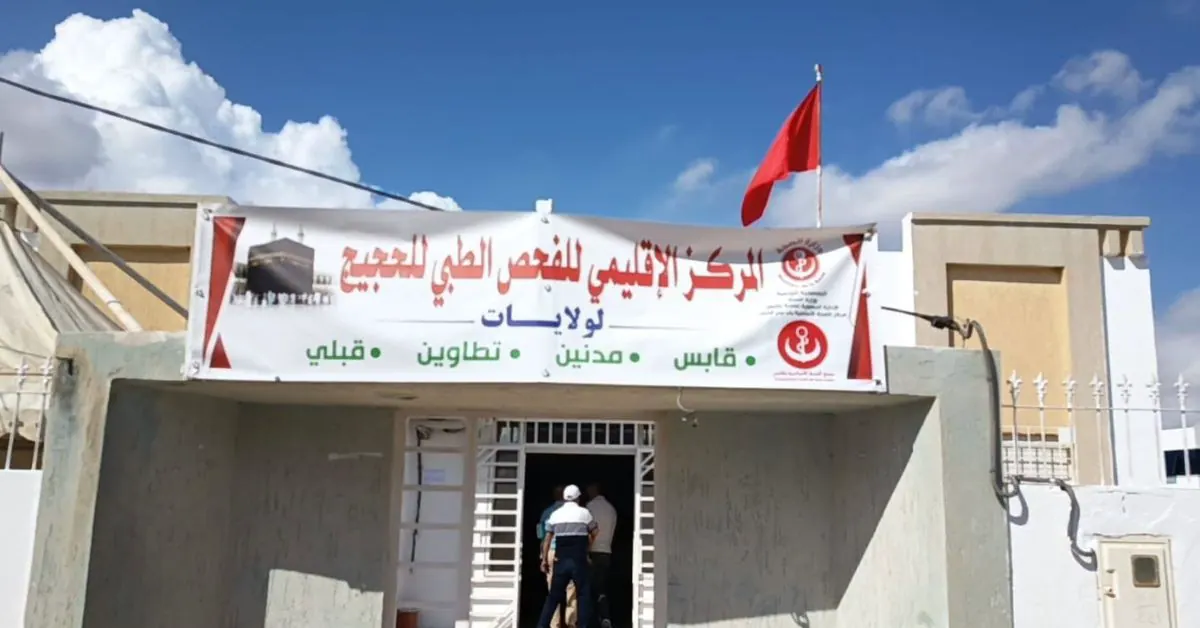
The medical examination process for Hajj pilgrims from the governorates of Gabes, Medenine, Tataouine, and Kebili began on September 28, 2026, at the regional medical examination center in Gabes. This process is set to continue until October 30, 2026. The center aims to streamline the medical examination process and improve the utilization of human and logistical resources.
According to the regional health director in Gabes, Narges Al-Enabi, the creation of this center is part of a broader effort to unify the medical examination process and enhance the use of resources. The program includes not only medical examinations but also awareness and educational sessions for the pilgrims. This initiative seeks to improve the overall experience for those preparing for Hajj.
One of the significant innovations this year is the digitization of the pilgrim's medical file. This allows for the tracking of their health status and the medications they are taking throughout their Hajj journey. The center is expected to receive around 1800 applicants from the four governorates, with a detailed schedule arranged for each region.
In support of the state's efforts, the "Saaed" volunteer association from Ghannouch contributed to the preparation and equipping of the center. On September 27, 2026, the association helped clean and paint the premises, provided two tents for sun protection, and supplied 100 chairs for the applicants. This initiative aims to enhance the comfort and conditions for the pilgrims during their medical examinations.
The medical examination center in Gabes is a crucial step for pilgrims preparing for Hajj. The process ensures that pilgrims are physically capable of undertaking the journey and helps in identifying any health concerns that may need attention. By centralizing the medical examinations, the authorities aim to provide a more efficient and organized service.
The examinations and educational sessions provided at the center are essential for the well-being of the pilgrims. With the digitization of medical records, the authorities can better manage the health of the pilgrims before, during, and after Hajj. This technological advancement is expected to improve the overall health care provided to the pilgrims.
The collaboration between the health authorities and volunteer associations, like "Saaed," highlights the community's involvement in supporting the Hajj preparations. Such partnerships are vital in ensuring that the pilgrims have a smooth and comfortable experience as they prepare for their religious journey.
Key points
- The medical examination process for Hajj pilgrims from four governorates has started in Gabes.
- The center aims to receive around 1800 applicants and provide a more efficient service through the digitization of medical records.
- Local associations are contributing to the efforts by providing support in the preparation and equipping of the medical examination center.