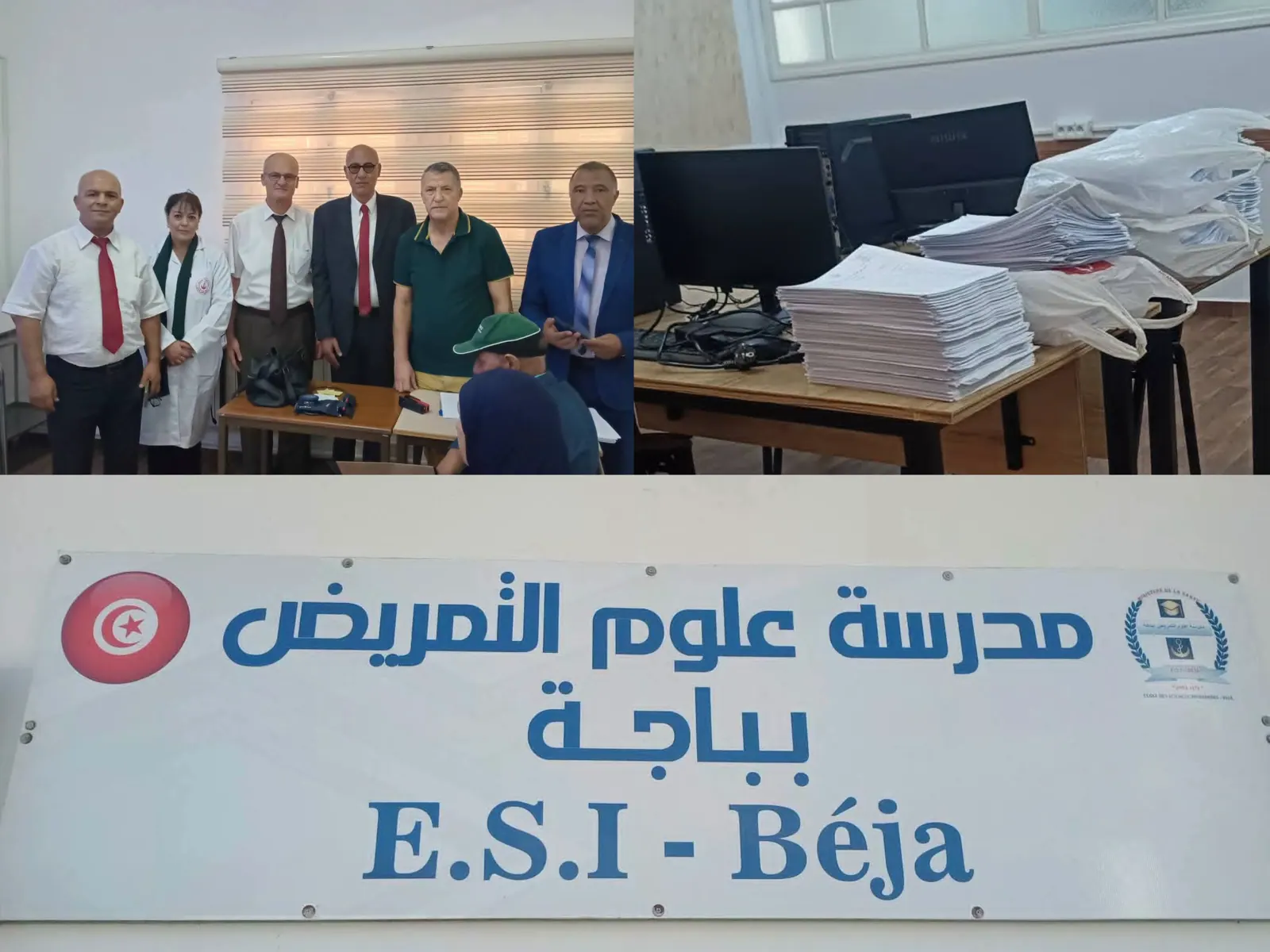
In preparation for the upcoming Hajj season, medical examinations for aspiring pilgrims have commenced in Bajah, Tunisia. The process, which began on September 24, involves a series of medical tests, including blood analysis, X-rays, and heart check-ups. These examinations are being conducted at the School of Nursing Sciences in Bajah, where candidates from the governorates of Bajah, Jendouba, El Kef, and Bizerte will undergo thorough health checks.
The medical screenings are designed to assess the health and readiness of candidates to perform the Hajj rituals. The process is being carried out according to a predetermined schedule, organized by each delegation, to ensure smooth and efficient conduct. Candidates are required to complete their medical files and provide necessary documents within the specified timeframe. Authorities are urging candidates to adhere to their scheduled appointments to avoid delays.
During the examinations, candidates will undergo a series of medical checks to verify their health status and determine their suitability for the Hajj. In some cases, additional tests may be required, as deemed necessary by medical professionals. The medical evaluations aim to ensure that pilgrims are physically capable of performing the rituals and to identify any potential health risks.
The medical files required for the Hajj include, in addition to the examination results, blood test results, X-ray images, and heart check-up reports. Candidates are advised to respect their scheduled appointments and complete the required documents within the given timeframe. This process is crucial for the well-being and safety of the pilgrims during the Hajj.
The examinations will continue until the end of October, covering all eligible candidates from the designated governorates. Authorities have emphasized the importance of these medical checks in ensuring the health and safety of pilgrims during the Hajj. By conducting these evaluations, medical professionals can identify potential health issues and provide necessary guidance to pilgrims.
The Hajj pilgrimage requires a significant amount of physical endurance, and medical evaluations play a critical role in determining a candidate's suitability for the journey. The Tunisian authorities are taking measures to ensure that pilgrims are adequately prepared for the physical demands of the Hajj. By conducting thorough medical examinations, the authorities aim to minimize health risks and ensure a safe and successful pilgrimage.
The medical examinations for Hajj pilgrims in Bajah are part of a broader effort to ensure the well-being and safety of pilgrims from Tunisia. The process is being carried out in collaboration with medical professionals and authorities to guarantee a successful and healthy Hajj experience for all participants.
Key points
- Medical examinations for Tunisian Hajj pilgrims have started in Bajah, covering candidates from four governorates.
- The examinations aim to assess the health and readiness of candidates to perform the Hajj rituals.
- The process will continue until the end of October, covering all eligible candidates.