Mediators from Qatar are engaged in indirect talks with Iran and the United States, aiming to end the eight-month-long conflict and reopen the Strait of Hormuz, a crucial waterway. The talks are expected to resume, with a proposed deal that would first reopen the strait and lift the US blockade. According to officials, the deal would include removing sanctions on Iranian oil sales and releasing frozen Iranian assets.
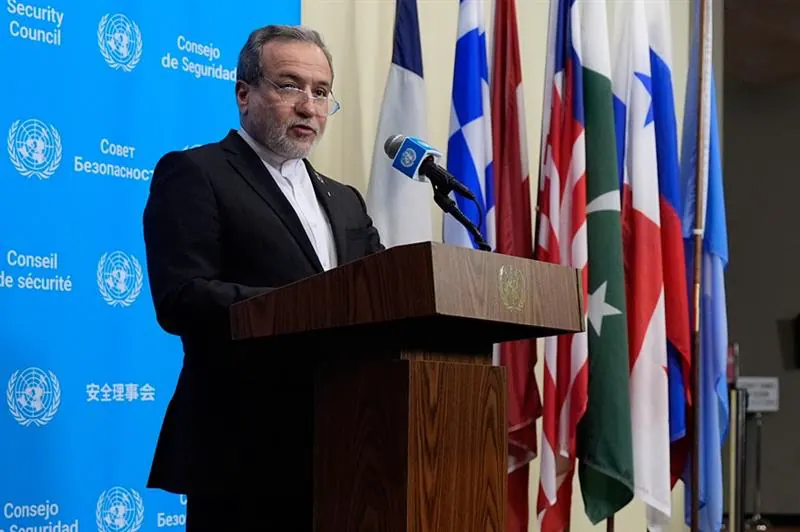
The conflict has caused significant economic suffering, with high oil prices affecting the US and a growing number of US sanctions impacting Iran's oil sales. The international standard, Brent crude, is above $108. Both sides have been trying to outlast each other, while regional countries face missile and drone attacks. Iran's Foreign Minister, Abbas Araghchi, remains in New York, awaiting word from mediators.
A draft text being discussed proposes reopening the strait in accordance with a separate deal between Iran and Oman, with no tolls. Two officials confirmed that despite US President Donald Trump's public comments, the US has not officially rejected the current proposal. Trump's remarks may have been a negotiating tactic, as the US seeks Iranian concessions on its nuclear program.
The US is seeking Iranian concessions on its nuclear program, including allowing inspectors to enter the country. Under a Memorandum of Understanding signed in June, Iran's nuclear program was meant to be discussed over a 60-day period. However, the talks collapsed within days. All three officials spoke on condition of anonymity to discuss behind-the-scenes diplomatic negotiations.
One official reported positive signals coming from both sides, while a second reported "slight progress" over the weekend. The third official said mediators are still trying "to soften" the positions of both sides. Iran's latest proposal echoes the June deal, but with a key difference: speed. Foreign Minister Abbas Araghchi told a closed-door meeting that Tehran had pitched the deal as benefiting Trump in the midterm elections.
Araghchi later told journalists that "the seven-day timeline will start as soon as the United States accepts this plan." The proposed deal also seeks to end fighting on all fronts, including in Lebanon. However, a new front has emerged in recent weeks, as Iran-backed rebels in Yemen are now positioned on the Bab el-Mandeb Strait at the southern entrance to the Red Sea.
Iran argues that the Houthis have their own demands, and that their conflict with neighboring Saudi Arabia is separate from the US-Iran war. However, Iranian officials said they are willing to help in finding a settlement between the Houthis and the Saudis. The White House did not immediately respond to a request for comment.
Key points
- Mediators are working on a proposal that would reopen the Strait of Hormuz and lift the US blockade.
- The US seeks Iranian concessions on its nuclear program, including allowing inspectors to enter the country.
- Iran's latest proposal includes a seven-day timeline to implement the deal if the US accepts it.