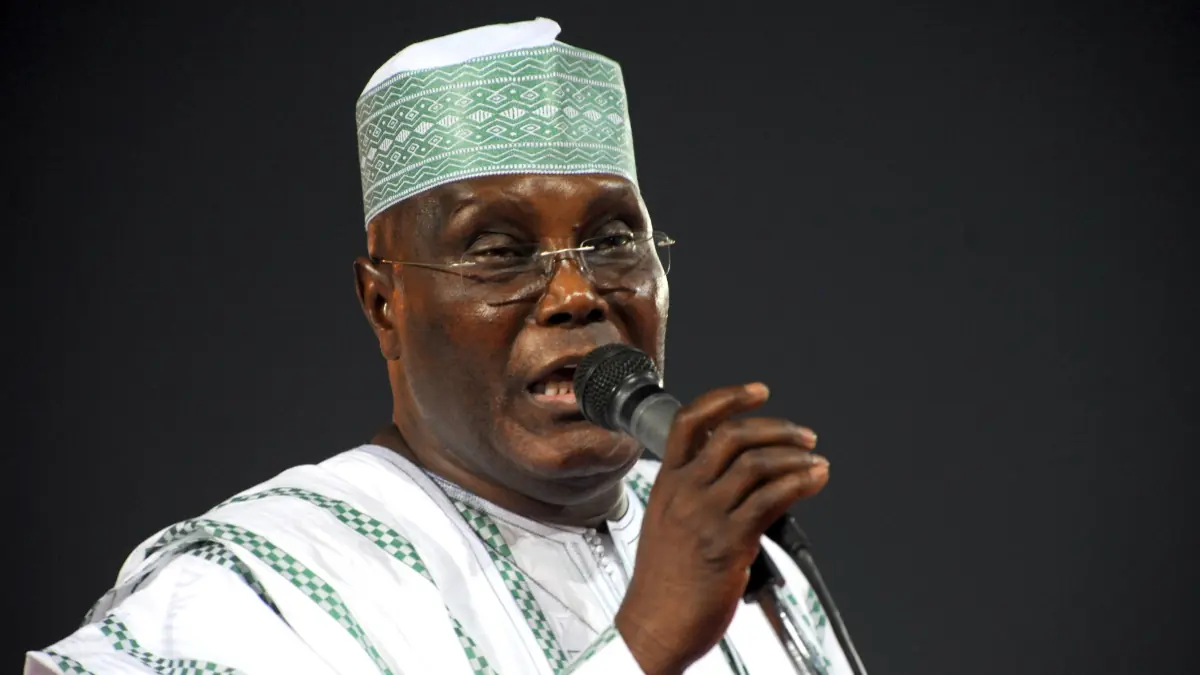
Former Vice President and African Democratic Congress (ADC) presidential candidate, Atiku Abubakar, has called on the Nigerian Federal Government to account for existing borrowings before proceeding with plans to secure a fresh $1.5 billion World Bank loan. This demand comes as Nigeria's total public debt has risen to ₦166.79 trillion as of June 30, 2026. Atiku's request for accountability is aimed at ensuring transparency in the management of the country's debt.
The proposed World Bank financing consists of three separate $500 million facilities targeting climate resilience, social protection, and early childhood development. Atiku acknowledged the importance of these programs but emphasized the need for details on how earlier loans were spent and what measurable results they produced. He questioned the continued rise in government borrowing despite official claims of increased revenue and savings from petrol subsidy removal.
According to the Debt Management Office (DMO), Nigeria's total public debt increased from ₦159.35 trillion at the end of March 2026 to ₦166.79 trillion as of June 30, 2026, representing an increase of ₦7.44 trillion or 4.7 percent in three months. Year-on-year, the debt stock increased by ₦14.39 trillion or 9.4 percent. The DMO attributed the debt rise to ₦91.59 trillion in domestic obligations and ₦75.20 trillion in external debt.
Atiku's demand for accountability comes as the Federal Government is in discussions with the World Bank for the proposed $1.5 billion financing. He argued that Nigerians deserve greater transparency on how loans already secured by the government have been utilized and the results achieved. Atiku also expressed concerns about the rising debt burden, which is placing additional pressure on citizens already grappling with increased costs of food, fuel, and electricity.
The ADC presidential candidate further stated that if Nigeria's public debt were distributed among the population, each Nigerian's share would amount to about ₦716,822, compared with ₦383,442 three years earlier, representing an 87 percent increase. Atiku criticized the government's continued reliance on borrowing despite claims of improved revenue and savings from petrol subsidy removal.
Atiku called on the Federal Government to publish details of the projects to be financed, the communities and citizens expected to benefit, program targets, borrowing and disbursement terms, as well as a clear timetable for monitoring implementation. He emphasized that program descriptions alone are insufficient justification for additional borrowing.
The controversy surrounding Nigeria's rising public debt and the proposed World Bank loan has sparked concerns about the country's debt sustainability. Atiku's demand for accountability and transparency in debt management is aimed at ensuring that Nigerians benefit from the loans and that the country's debt burden is manageable.
Key points
- Atiku Abubakar demands accountability for Nigeria's existing borrowings before securing a fresh $1.5bn World Bank loan.
- Nigeria's total public debt has risen to ₦166.79 trillion as of June 30, 2026.
- The proposed World Bank financing targets climate resilience, social protection, and early childhood development.