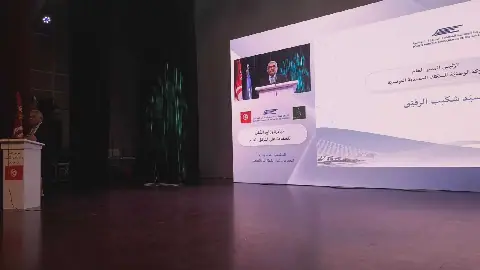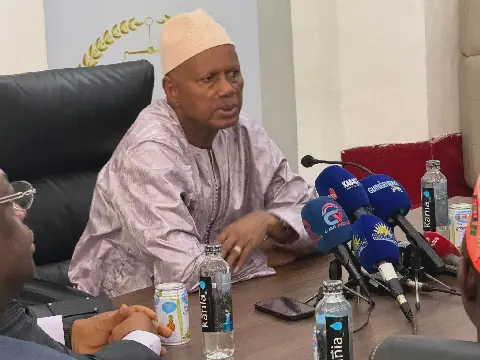
The sixth edition of the Connecting Media Communities (CMC) conference opened in Brussels on October 29, 2026, with around 80 participants from around the world. They gathered to discuss disinformation and threats to information integrity, with a focus on "Who Shapes What We Believe?" The conference, organized by the European External Action Service (EEAS), featured speakers from various countries and regions, including L'Express.
The conference focused on the evolution of information practices, the impact of new technologies on public debate, and responses to foreign interference in information, known as FIMI. 'Deepfakes,' or audio-visual content created or manipulated using artificial intelligence (AI), were a significant topic of discussion. These can make it seem like a political figure said something they never did or give fabricated images and accusations an air of authenticity.
The morning session examined the mechanisms that shape public perceptions, with speakers including Matthew Reece, director of political planning and strategic communication at EEAS, and Katya Gorchinskaya, an independent consultant on strategy and media. They discussed how disinformation operations can exploit political divisions, public controversies, and trust in the media. A fabricated content piece presented as a news article or broadcast with a recognized newspaper's logo can benefit from that credibility.
The threat of disinformation is particularly concerning during elections. A manipulated video implicating a candidate, a falsely attributed statement to a politician, or fake information about the conduct of a vote can influence public debate, fuel mistrust, and sow doubt just hours before voting. To have an impact, false information does not need to convince the entire population; it can be enough to reinforce prejudices, undermine trust in institutions, or blur the line between established facts and manipulation.
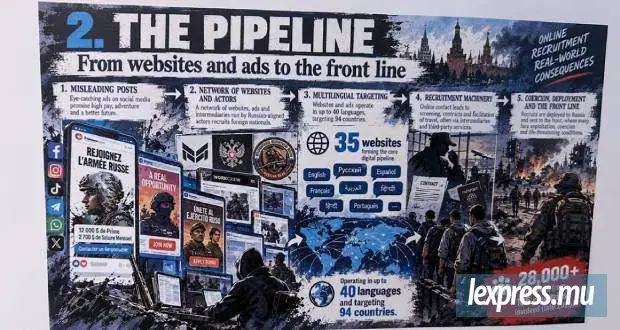
Several case studies presented at the conference illustrated the methods used in influence operations. One study detailed the recruitment of foreign nationals to fight alongside Russia, involving misleading advertisements, networks of websites, multilingual targeting, and intermediaries responsible for recruitment and transportation to the front. According to EEAS data, this digital device operates in up to 40 languages and targets 94 countries.
The conference also highlighted the measures taken by the European diplomatic service, including open-source investigations, information sharing, reports to digital platforms, public communication, and cooperation with civil society. For example, a document on approaches to Meta reported 517 detected advertisements and 492 removed following repeated reports. These examples underscore the need for a coordinated response based on evidence and rigorous monitoring of reports.
A case study on maritime governance examined the management of marine resources by a government facing information manipulation operations. It highlighted a central difficulty: disinformation actors can exploit real problems, political controversies, or governance failures to amplify tensions. Journalists must continue to investigate public decisions and expose potential dysfunctions without their work being automatically seen as a foreign influence operation.
Key points
- The conference emphasized the need for a coordinated response to disinformation and foreign interference.
- 'Deepfakes' and other forms of manipulated content pose a significant threat to information integrity.
- Journalists and media outlets must be vigilant in verifying information to avoid spreading disinformation.