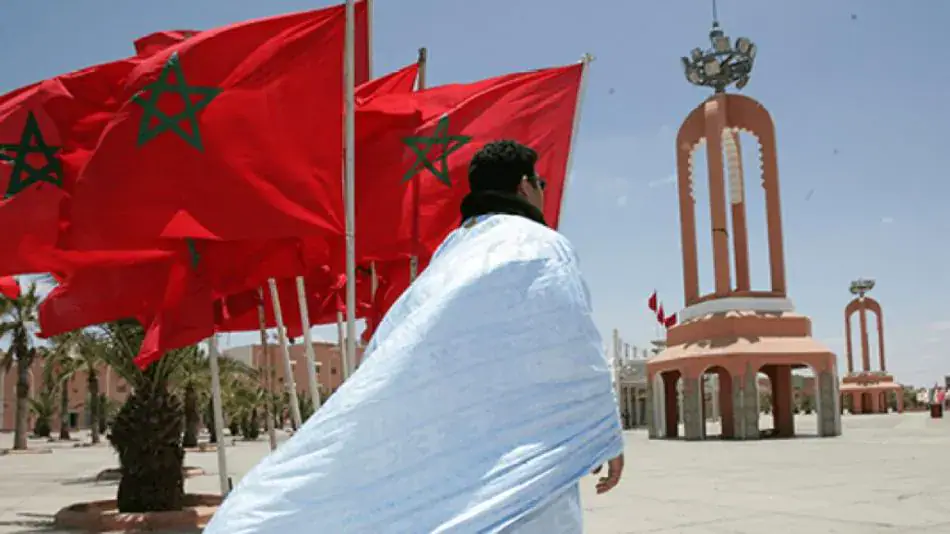
The recent developments in the Western Sahara issue within the UN Security Council reflect a new phase of diplomatic and political interactions. This comes after the failure to adopt the American and Russian draft resolutions, and the subsequent positions taken by various countries. The Royal Palace's statement on October 30, 2026, highlighted the significance of not extending the mandate of the UN Mission for the Referendum in Western Sahara (MINURSO). This development marks a crucial shift in Morocco's approach to managing the conflict.
The Russian veto on the American draft resolution, which received 11 votes in favor, reflects a deep-seated disagreement with Washington over the approach to resolving the conflict. The American project aimed to redefine the role of the UN mission, change its name, and review its structure and tasks, giving a central place to Morocco's autonomy initiative. This approach signals a shift from maintaining the status quo to redirecting the UN mechanism in line with recent developments in the file.
The Russian draft resolution, which proposed extending MINURSO's mandate for another year without changes, failed to gain the necessary support, securing only three votes in favor. This outcome reflects a divergence in the international community's views on the future of the UN's involvement in Western Sahara. The distinction between the Russian veto on the American project and the failure of the Russian project to gain majority support is crucial in understanding the implications of these developments.
The Royal Palace's statement on October 30, 2026, marked a significant turning point in understanding Morocco's position on the recent developments. The statement emphasized that not extending MINURSO's mandate constitutes a significant step towards the final resolution of the Western Sahara issue within the UN framework. This shift in approach reflects Morocco's transition from managing the conflict to redefining the conditions for a political settlement.
The positions taken by Russia and the United States on the Western Sahara issue cannot be understood solely in terms of their bilateral relations with Morocco or other parties. The involvement of major powers in the conflict is influenced by strategic interests, calculations of influence, regional balances, and the nature of relations with international actors. The Russian position reflects a traditional approach to the role of the UN Security Council in determining the political framework for a settlement.
The future of the UN's involvement in Western Sahara and the potential for a new phase in the negotiation process are uncertain. The absence of a new resolution on MINURSO's mandate weakens the prospects for continued UN presence in Western Sahara and the mechanisms that may replace or reorganize the current format. Several possible directions for the next phase can be envisioned, including reopening consultations within the Security Council to reach a new formula for the future of UN involvement.
The developments in the Western Sahara issue signal a shift towards a new phase in resolving the conflict. Morocco's autonomy initiative is gaining traction, with several countries supporting the approach. The international community's engagement in the conflict will likely continue to evolve, with the UN playing a crucial role in facilitating a negotiated settlement. The outcome of these developments will have significant implications for the future of Western Sahara and the region.
Key points
- The recent developments at the UN Security Council reflect a new phase in resolving Morocco's Western Sahara issue.
- Morocco's autonomy initiative is gaining traction, with several countries supporting the approach.
- The future of the UN's involvement in Western Sahara and the potential for a new phase in the negotiation process are uncertain.