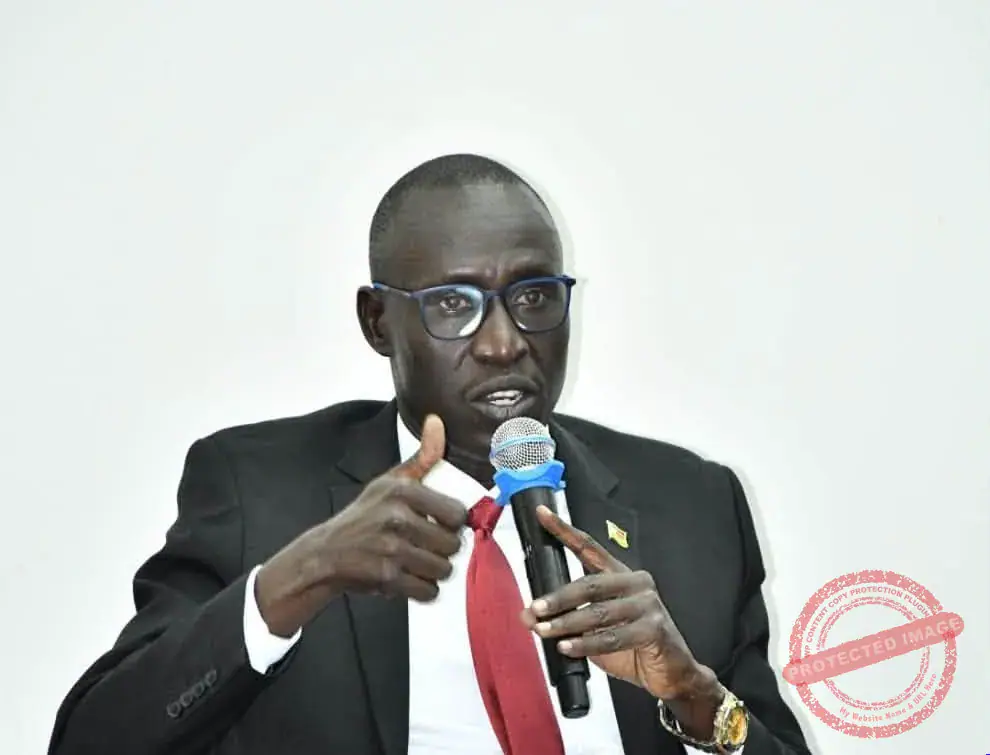
The Media Authority in South Sudan is taking steps to strengthen journalists' safety and ensure they have unhindered access to information while performing their professional duties. Managing Director Ajou Luol Akuei stated that the institution is engaging with security agencies to establish procedures that would improve journalists' protection and working conditions. This move comes as South Sudan joins the rest of the world in marking the International Day to End Impunity for Crimes Against Journalists. The day is observed annually on November 2 to raise awareness about violence against journalists and the lack of accountability for crimes committed against media workers.
Akuei revealed that the Media Authority is working closely with the South Sudan People’s Defence Forces (SSPDF), the Ministry of Interior, and the National Security Service (NSS) to achieve this goal. He emphasized that engagements with security agencies are necessary to ensure journalists can work without fear. The Media Authority's efforts aim to provide a safer working environment for journalists, allowing them to access information directly and promptly without unnecessary restrictions on movement and access to information.
Senior journalist Maura Ajak called for a safe and conducive working environment that allows media practitioners to perform their duties freely. Ajak stated that journalists should be able to access information without having to repeatedly seek it from public officials. She also urged authorities to reconsider restrictions on journalists' access to certain areas, particularly where their professional assignments do not pose security risks. Ajak emphasized that a stressful environment can hinder journalists' ability to perform their duties effectively.
The International Day to End Impunity for Crimes Against Journalists highlights emerging threats facing journalists, including digital abuse, artificial intelligence-facilitated harm, and the use of modern weapons. This year's theme, "Threats Evolve. Impunity Endures," emphasizes the need for stronger measures to protect journalists and ensure that attacks against media workers are investigated and perpetrators held accountable. The day serves as a reminder of the importance of protecting journalists and promoting a culture of accountability.
Akuei's remarks were made during an interview on Eye Radio's Dawn Show, which marked the International Day to End Impunity for Crimes Against Journalists. The Media Authority's efforts to engage security agencies and improve journalists' safety have been welcomed by the media community. Journalists and media practitioners have long called for better working conditions and protection from violence and harassment.
The Media Authority's engagement with security agencies is seen as a crucial step towards creating a safer working environment for journalists in South Sudan. The country's media landscape has faced numerous challenges, including violence, harassment, and restrictions on access to information. By working together with security agencies, the Media Authority aims to address these challenges and promote a culture of accountability and transparency.
The International Day to End Impunity for Crimes Against Journalists serves as a reminder of the importance of protecting journalists and promoting a culture of accountability. The day highlights the need for stronger measures to protect journalists and ensure that attacks against media workers are investigated and perpetrators held accountable. By engaging security agencies and promoting a safer working environment, the Media Authority in South Sudan is taking a crucial step towards achieving this goal.
Key points
- The Media Authority in South Sudan is working with security agencies to improve journalists' safety and access to information.
- The International Day to End Impunity for Crimes Against Journalists highlights emerging threats facing journalists, including digital abuse and artificial intelligence-facilitated harm.
- Journalists and media practitioners have called for better working conditions and protection from violence and harassment.