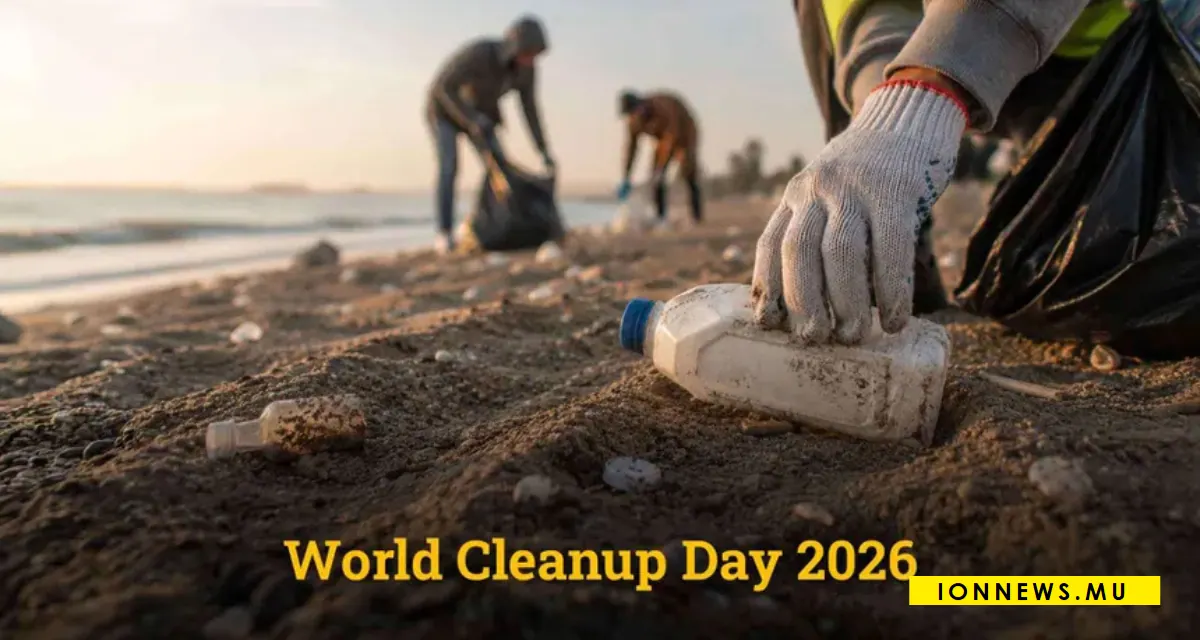
Mauritius is marking World Cleanup Day, an annual event that has brought attention to the critical state of the island nation's environment. The situation is dire, with widespread accumulation of plastic waste and degradation of natural habitats threatening the island's unique biodiversity. The preservation of Mauritius' exceptional flora and fauna requires immediate awareness and structural measures to mitigate the damage.
The impact of waste accumulation is particularly concerning in a small island like Mauritius, where human activity and natural reserves are closely intertwined. Every piece of litter left in nature inevitably affects local wildlife and flora. The state of the island's flora is a significant cause for concern among botanists and international researchers. According to data from the Convention on Biological Diversity and the International Union for Conservation of Nature, nearly 89% of Mauritius' endemic flora is considered threatened with extinction.
The loss of plant species is alarming, with 61 indigenous plant species already extinct and less than 2% of the original primary forest remaining. The native forest, mainly found in the Black River Gorges National Park, faces pressure from invasive plant species and pollution from human activities. The situation is equally worrying for terrestrial and marine fauna, with 274 species listed as threatened, including 63 critically endangered and 111 endangered species.
A significant proportion of these threatened species, 84, are endemic to Mauritius, making their potential extinction a global loss. The list of endangered species includes the pink pigeon, forest gecko, and coral reefs, with 46 coral species directly threatened by warming and coastal pollution. This environmental degradation is fueled by massive and continuous production of solid waste across the country.
Official environmental reports from Statistics Mauritius reveal that the central landfill site in Mare Chicose received a record 582,798 tons of solid waste in 2025, a 17% increase from 498,309 tons in 2024. The waste management sector accounts for approximately 13.4% of the island's total greenhouse gas emissions, highlighting the direct impact of consumption on climate change and global ecological balance.
In response to this situation, the World Cleanup Day should serve as a catalyst for concrete and lasting actions at all levels of society. Conservation efforts prioritize the active restoration of indigenous forests, including targeted weeding of invasive plants like the Chinese guava, which choke out endemic tree shoots. Reducing single-use plastic consumption is also crucial to prevent microplastics from poisoning the marine food chain.
Supporting local NGOs, such as the Mauritian Wildlife Foundation, is essential for conservation initiatives that have already saved iconic species like the Mauritius kestrel. The foundation's programs have made significant contributions to protecting the island's biodiversity.
Key points
- Nearly 89% of Mauritius' endemic flora is considered threatened with extinction
- 274 species in Mauritius are listed as threatened, including 63 critically endangered species
- The waste management sector accounts for approximately 13.4% of the island's total greenhouse gas emissions