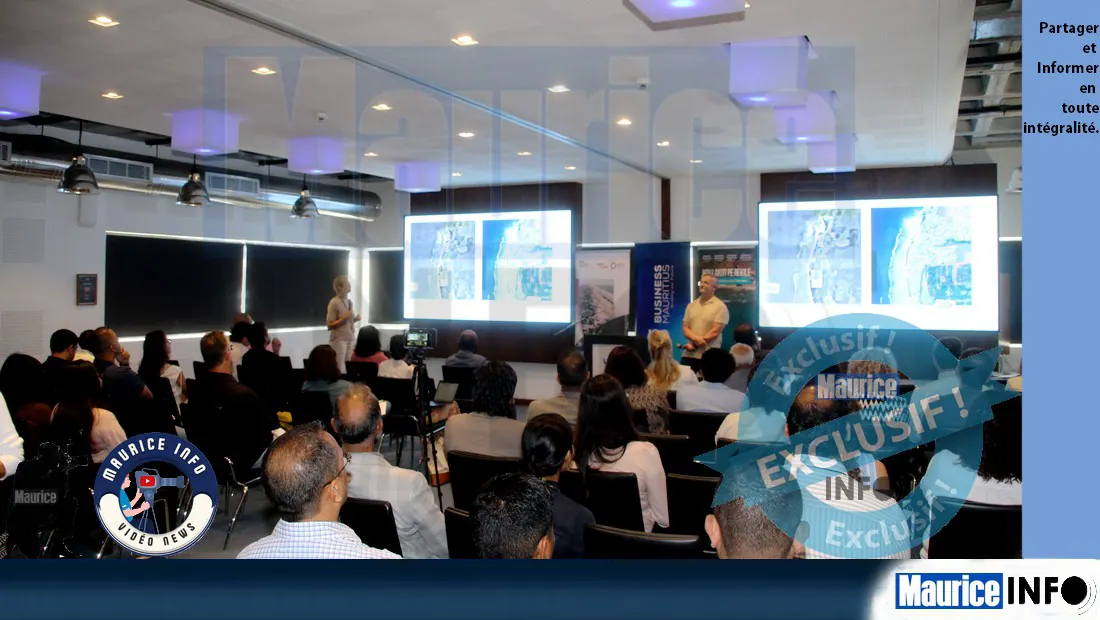
The island nation of Mauritius is taking proactive steps to protect its coastline from the devastating impacts of climate change. The Ministry of Environment, in collaboration with the European Union, the French Development Agency (AFD), and Business Mauritius, has launched the "Nou Lakot Pe Rekile: Ki Pou Reste?" initiative. This initiative aims to bring together authorities, researchers, and citizens to develop a long-term strategy to safeguard the country's ecosystem, inhabitants, and economy. The coastline of Mauritius, known for its breathtaking beauty, is under threat from rising sea levels and increased storm surges.
A recent study, MAURISCOT, conducted between 2022 and 2025 by the Bureau de Recherches Géologiques et Minières (BRGM) and the GEOLAB laboratory of the University of Limoges, has revealed alarming projections for the island's coastline. By 2050, the coastline is expected to recede by 20 to 30 meters in some areas, varying by region. This erosion will not only lead to loss of land but also increase the risk of flooding and damage to infrastructure, particularly during cyclonic events. The study's findings provide a critical foundation for land-use planning and adaptation strategies.
To translate these scientific findings into actionable solutions, the Centre d'Études pour le Développement Territorial Indo-océanique (CEDTI) is hosting a series of five interactive workshops from September 18 to 25, 2026. These workshops will engage local communities, stakeholders, and citizens directly in the process of developing a coastal management plan. The initiative will utilize innovative educational tools, including a trilingual booklet and a simulation game that mimics the challenges of managing coastal risks in a Mauritian city.
The "Nou Lakot Pe Rekile: Ki Pou Reste?" initiative is part of a broader effort to foster collaboration between researchers, institutions, and citizens. By working together, Mauritius aims to shift from a reactive approach to coastal erosion to a proactive, long-term strategy. This strategy will focus on preserving the island's ecosystem, protecting its inhabitants, and supporting its economy. The involvement of various stakeholders, including local communities, is crucial to the success of this initiative.
Climate change poses a significant threat to the coastlines of Mauritius and Rodrigues. Rising sea levels and increased storm surges are expected to have devastating impacts on the island's ecosystem, infrastructure, and economy. The tourism industry, a significant contributor to the country's economy, is also vulnerable to these changes. By taking proactive steps to protect its coastline, Mauritius aims to mitigate these impacts and ensure a sustainable future.
The workshops and educational tools developed as part of the initiative aim to make complex environmental sciences accessible and engaging for all. By using a trilingual booklet and a simulation game, the CEDTI hopes to encourage active participation and ownership among local communities. This approach will help build a sense of responsibility and urgency around the need to protect the coastline.
The "Nou Lakot Pe Rekile: Ki Pou Reste?" initiative marks a significant step towards protecting Mauritius' coastline. By combining scientific research, community engagement, and collaboration, the country is taking a proactive approach to addressing the challenges posed by climate change. The success of this initiative will depend on the continued involvement of various stakeholders, including local communities, researchers, and institutions.
Key points
- The MAURISCOT study projects a 20-30 meter recession of the coastline by 2050.
- The initiative includes a series of five interactive workshops to engage local communities.
- The project aims to develop a long-term strategy to safeguard Mauritius' ecosystem and economy.