The Mauritian government is set to introduce Community Service Learning in all colleges across Mauritius and Rodrigues by 2027. This initiative aims to teach citizenship through concrete actions, rather than just theoretical lessons. The program is designed to help students develop civic skills through guided activities. According to Brian Pitchen, an educator, "Each learner must have the possibility to develop responsibility, empathy, discipline, leadership, and active citizenship through guided and meaningful service."
The proposed program is built around five progressive themes: Myself, My Classroom, My School, My Community, and My Country. The calendar for implementation includes an orientation phase at the beginning of the year, project launches from the second trimester, and an evaluation before mid-October 2027. This initiative comes amid concerns about youth violence, vandalism, and disengagement from school. Proponents argue that academic results alone are not enough to prepare adolescents for societal realities.
The proposal is based on an experiment conducted within the Foundation Programme in Literacy, Numeracy and Skills (FPLNS) since last year. The experiment involved students in Grade 8 FP who required additional educational support. It explored various aspects of their personal and social development. Activities such as "Who Am I" encouraged students to reflect on their identity, qualities, and areas for improvement. Students were also sensitized to individual responsibility and the idea that civic engagement starts with simple daily actions.
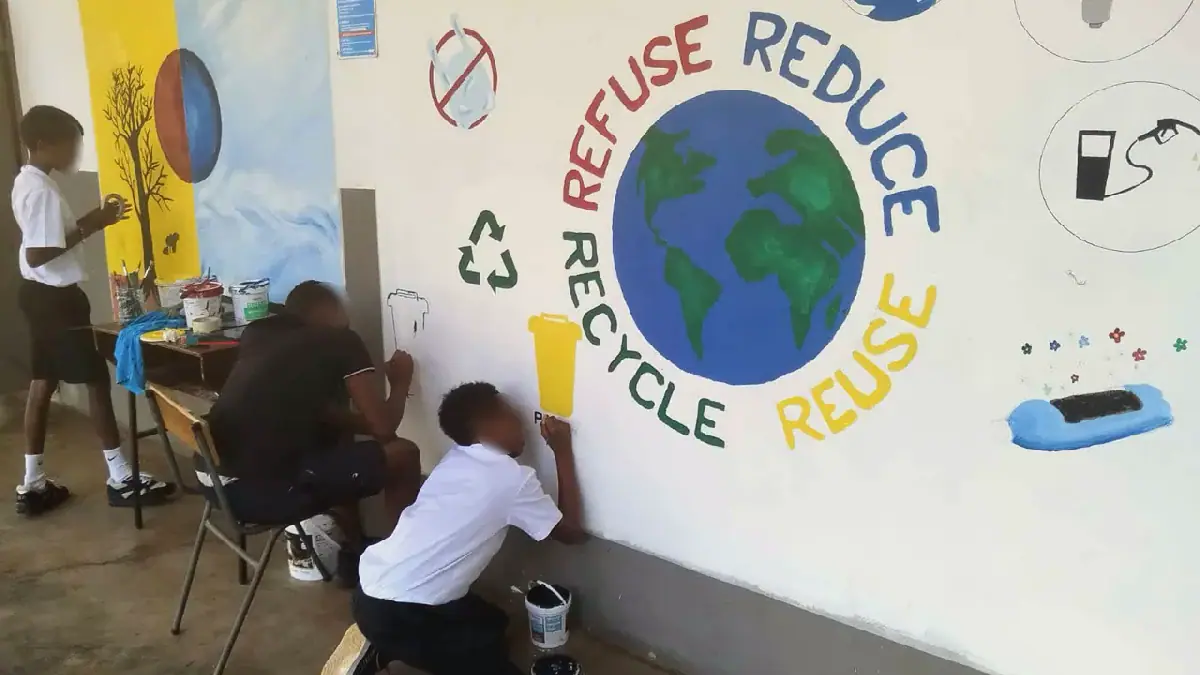
The experiment included practical activities such as cleaning, environmental preservation, and promoting camaraderie. Students participated in simulations of community assistance lines, role-playing games, and the Human Library project. These activities aimed to help students share their experiences and better understand those of others. Environmental issues were addressed through activities on water management, creating green spaces in colleges, and animal protection.
The use of digital tablets facilitated research, presentations, and project realization. According to teachers involved in the experiment, these activities promote critical thinking, communication, and student participation. Group activities allow young people to learn to collaborate, respect others, and work towards a common goal. However, the experiment also revealed challenges, such as some students preferring to remain passive while others tried to dominate activities.
Teachers noted a disparity between students' oral expression in Creole and their writing skills in French and English during evaluations. Another observation was that despite their mastery of digital tools, some students showed less interest in manual activities like drawing or painting. The program aims to enhance confidence, leadership, problem-solving abilities, teamwork, and a sense of responsibility.
In the long term, the initiative hopes to contribute to the emergence of a generation more involved in civic life and the country's development. Key aspects of the program include teaching civic skills through concrete actions and addressing concerns about youth violence and disengagement from school.
Key points
- The Mauritian government plans to introduce Community Service Learning in all colleges by 2027.
- The program aims to teach citizenship through concrete actions and develop civic skills.
- An experiment within the FPLNS program showed positive results but also highlighted challenges.