The Mauritian government is set to introduce new regulations to modify the distribution of flour in the country. The Ministry of Commerce and Consumer Protection is finalizing a regulatory project that will require upscale bakeries and pastries to purchase flour at the commercial rate, effectively ending a subsidy they have been receiving. This move is part of a targeted rebalancing of public spending.
The State Trading Corporation (STC) has been providing a significant subsidy on flour for several years to preserve the purchasing power of the population. The subsidy was designed to keep the price of basic bread and regulated breads strictly controlled, which are staples in the daily diet of families. However, the current system does not distinguish between the final use of this raw material.
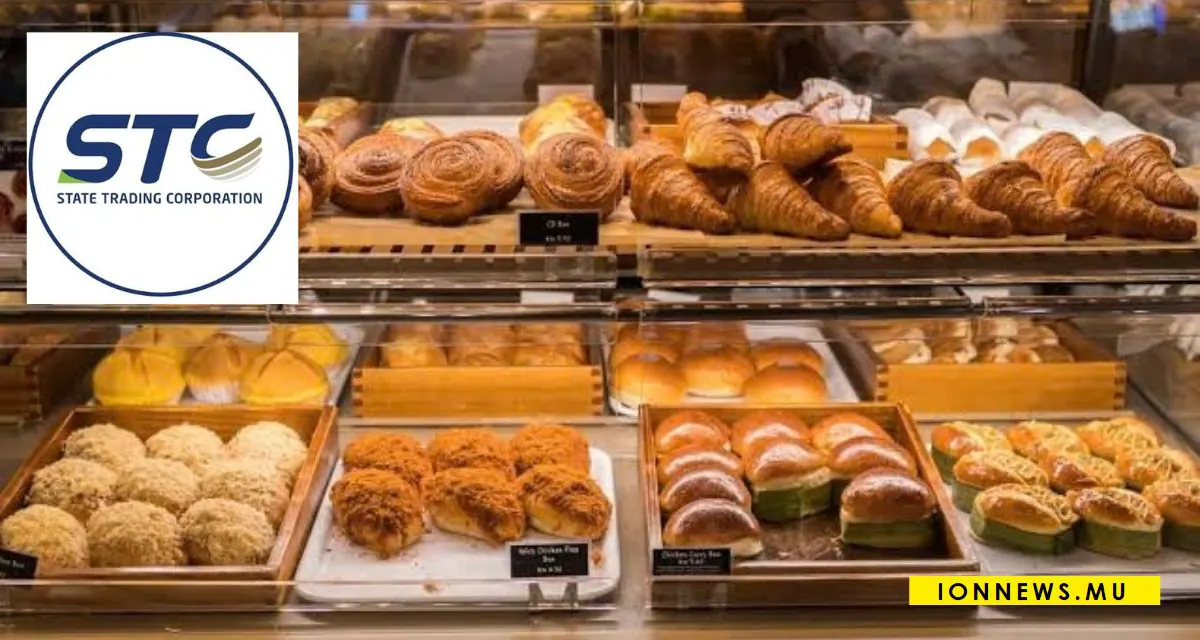
As a result, several upscale establishments and high-end bakeries have been benefiting from the subsidized rate to manufacture high-value-added products. These products, including elaborate cakes, fine pastries, specialized brioches, and gourmet breads, are then sold with standard commercial margins. The public funds have been reducing the production costs of non-essential luxury products artificially.
The government has decided to apply strict targeting to address this issue. The subsidy on ordinary bread will be maintained, ensuring that the flour subsidy remains guaranteed for the production of everyday bread to protect modest households and the middle class. However, upscale bakeries and pastries producing cakes, pastries, and special breads will have to buy flour at the full market price without STC support.
This new obligation will directly impact the cost structure of these upscale establishments. Without the STC subsidy for their gourmet products, concerned pastry shops and bakeries will have to adjust their pricing grids. Clients of these high-end establishments can expect a price increase for cakes, pastries, and artisanal breads once the measure is implemented after validation by the Council of Ministers.
The decision aims to ensure that public subsidies benefit those who need them most, rather than supporting the production of luxury goods. The change will come into effect once the new regulations are approved and implemented by the relevant authorities. The move is expected to have a positive impact on the allocation of public funds.
The Mauritian government's decision to end subsidies for upscale bakeries and pastries is a step towards more targeted public spending. The change will affect the pricing of gourmet products in high-end establishments but will maintain affordable prices for staple foods. The new regulations will be implemented in the coming months, following approval by the Council of Ministers.
Key points
- The Mauritian government will end flour subsidies for upscale bakeries and pastries.
- The subsidy will be maintained for ordinary bread to protect modest households and the middle class.
- The change is expected to lead to a price increase for gourmet products in high-end establishments.