Since November 2024, authorities in Mauritius have intensified their efforts to combat drug trafficking, resulting in significant seizures of various substances, including cannabis, cocaine, heroin, and synthetic drugs. The seizures, estimated to be worth several billion rupees, demonstrate the government's commitment to addressing the issue. However, despite these successes, trafficking networks have shown a remarkable ability to adapt and reorganize.
The emergence of new tactics, such as the use of motorcycle-riding lookouts to monitor the movements of law enforcement, has complicated the efforts of authorities. These lookouts, reportedly used in several high-risk areas, enable traffickers to receive real-time information about impending police operations, allowing them to take precautions and evade detection. This development highlights the evolving nature of the threat posed by trafficking networks.
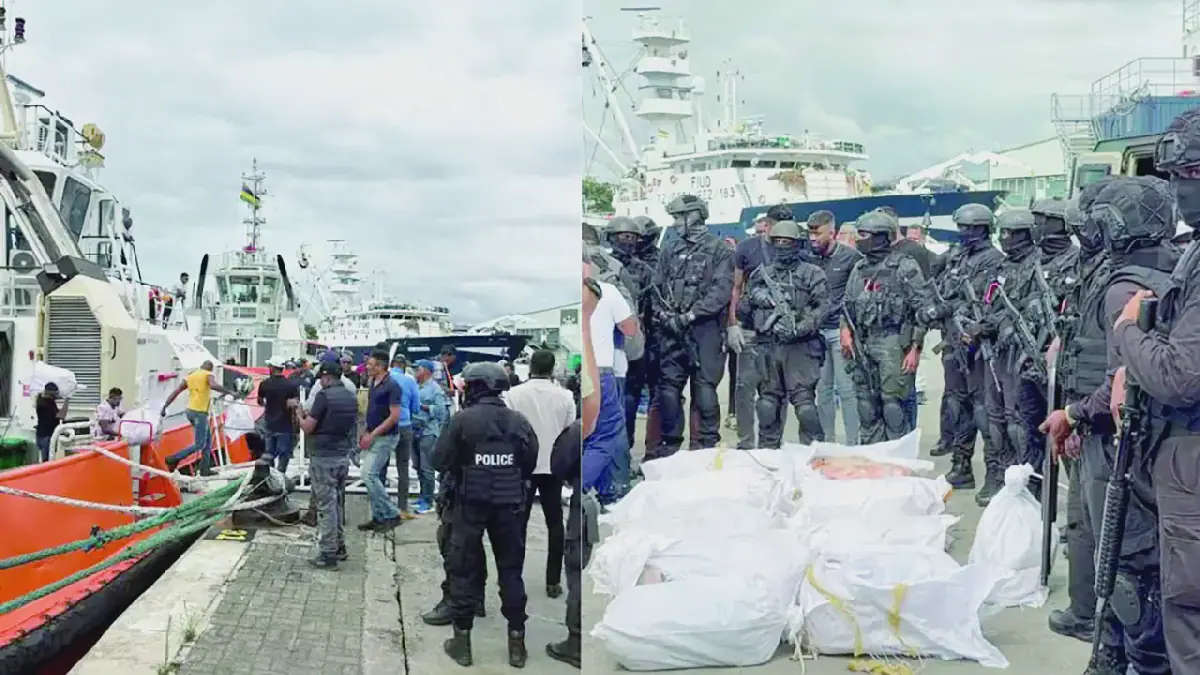
Recent operations have resulted in substantial seizures, including 18.8 kilograms of cannabis and 55.8 kilograms of cannabis intercepted at Jin Fei and the Plaisance airport, respectively. Furthermore, a joint operation between the Customs Anti-Narcotics Section and the Anti-Drug and Smuggling Unit led to the seizure of over 210 kilograms of cannabis from eight foreign passengers, including a seven-year-old child. These seizures demonstrate the scope of the problem and the need for continued vigilance.
The issue of synthetic drugs has also become a significant concern, with the value of seized products exceeding 1.13 billion rupees between January and May 2026. Cannabinoids, in particular, accounted for a substantial portion of this amount, with over 468 million rupees worth of products seized in their pure form. The diversity of forms in which these substances are circulated poses a challenge to investigators, who must contend with a range of packaging and distribution methods.
The social dimension of the problem is also a concern, with young people often becoming involved in the resale of these substances, sometimes from a young age. The complexity of the issue is further underscored by the suspected involvement of trafficking networks in recent riots, which Prime Minister Navin Ramgoolam attributed to the influence of drug barons. An arrest was reportedly made in connection with these events, but the exact nature of the link between the riots and trafficking networks remains unclear.
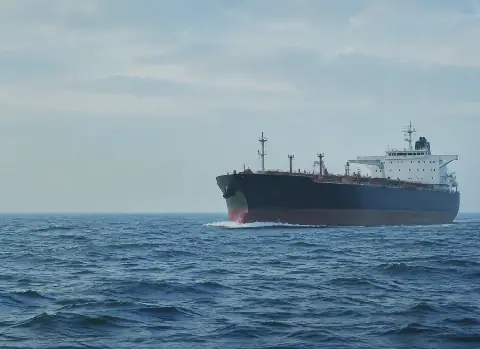
The case of the yacht Dreamer, which was allegedly used to transport 1.5 tons of cannabis from Thailand, illustrates the international scope of the trafficking networks. Eighteen suspects, including nine Thai nationals and nine Mauritians, were arrested in connection with the case, which also involved two police officers from the National Coast Guard. Despite these arrests, the cargo remains unaccounted for, and investigators are exploring possible connections between the trafficking network and corrupt officials.
As the government marks two years in power, the record on anti-drug efforts presents a mixed picture. While significant seizures and arrests have been made, the adaptability and resilience of trafficking networks highlight the ongoing challenges in this area. The authorities' efforts to stay ahead of these networks will be crucial in determining the effectiveness of their strategy and the ultimate impact on the drug trade in Mauritius.
Key points
- The government of Mauritius has seized billions of rupees worth of drugs since November 2024, but trafficking networks continue to adapt and evolve.
- New tactics employed by traffickers, such as the use of motorcycle-riding lookouts, have complicated law enforcement efforts.
- The issue of synthetic drugs has become a significant concern, with substantial quantities seized in recent operations.