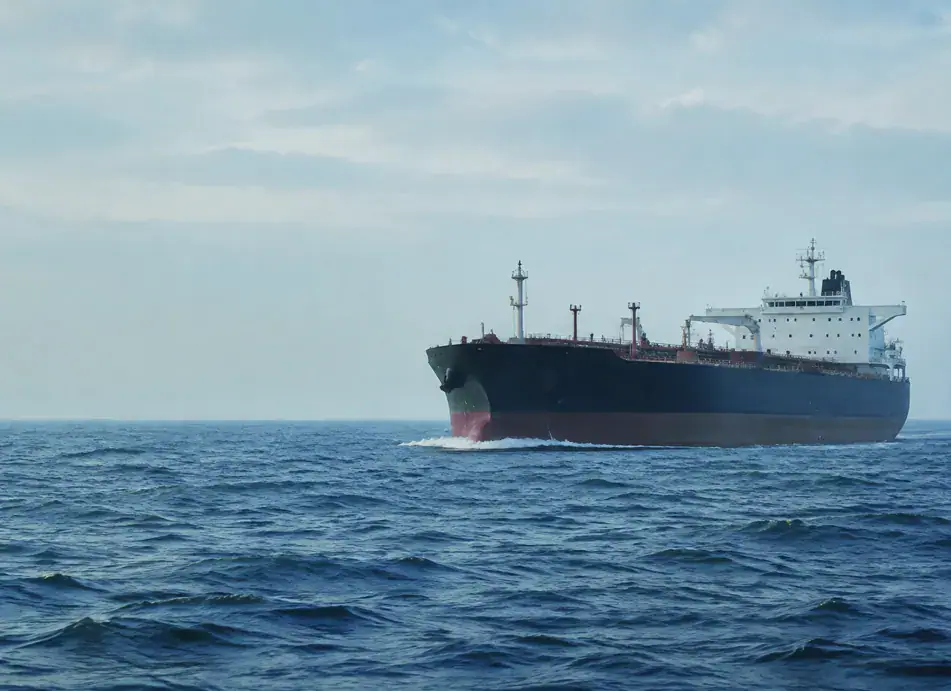
The US Treasury has imposed sanctions on a Singapore-based company for providing unauthorized Eswatini flagging services to vessels transporting Iranian petroleum. The company, Eswatini Maritime Affairs and International Ship Registry PTE. Ltd., was established in 2023 by Indian national Suniel Kumar Sharma and allegedly continued registering vessels under Eswatini's flag despite lacking government authorization. This move allowed Iran to circumvent international restrictions on its oil trade.
According to the US Treasury, Sharma and his wife, Jaspreet Preeti Shahid, operated a network of unauthorized maritime registries claiming to represent several countries. The couple allegedly began impersonating maritime registration authorities as early as 2014, initially targeting Dominica in the Caribbean. Over the following years, their operations expanded to several countries, including Guyana, Aruba, Mali, Mozambique, Malawi, Nicaragua, Laos, and Timor-Leste.
The US Treasury identified one of the vessels involved as PING SHUN, an oil tanker with International Maritime Organisation identification number 9231901, which had reportedly transported multiple shipments of Iranian petroleum and was already subject to US sanctions. The Treasury said some vessels supported by the network were involved in transporting petroleum on behalf of the Iranian military and its proxies.
Eswatini had raised concerns about fraudulent ship registrations with the International Maritime Organisation in 2024. The country's Principal Secretary of Public Works and Transport, Thulani Mkhaliphi, said the government had no operational ship registry and had never authorized any company or individual to register vessels on its behalf. The incident highlights the risks associated with unauthorized flagging services.
The sanctions imposed form part of Operation Economic Outcast, a US initiative launched in August to disrupt networks accused of supporting Iran's petroleum exports and other sanctioned economic activities. The Treasury designated Sharma for operating in the petroleum sector of the Iranian economy and Shahid for providing material support to him.
The implications of the unauthorized flagging services extend beyond sanctions evasion. Vessels operating under fraudulent flags may lack valid protection and indemnity insurance, which ordinarily covers certain liabilities arising from maritime accidents. An accident involving such a vessel could expose coastal countries to substantial environmental and economic losses without adequate insurance protection.
Eswatini is now moving to establish its own maritime authority and ship registration system to prevent the unauthorized use of its national flag while exploring opportunities to generate revenue from international shipping. A government delegation recently visited Liberia to study its international ship registration system, and the country intends to visit other landlocked countries to develop the necessary arrangements for participating in international maritime transport.
Key points
- US Treasury sanctions Singapore-based company for providing unauthorized Eswatini flagging services to vessels transporting Iranian petroleum.
- Eswatini had raised concerns about fraudulent ship registrations with the International Maritime Organisation in 2024.
- The incident highlights the risks associated with unauthorized flagging services, including the potential for environmental and economic losses.
Reporting sources
- Eswatini’s name used to ship sanctioned Iranian oil – US · Swazi Observer