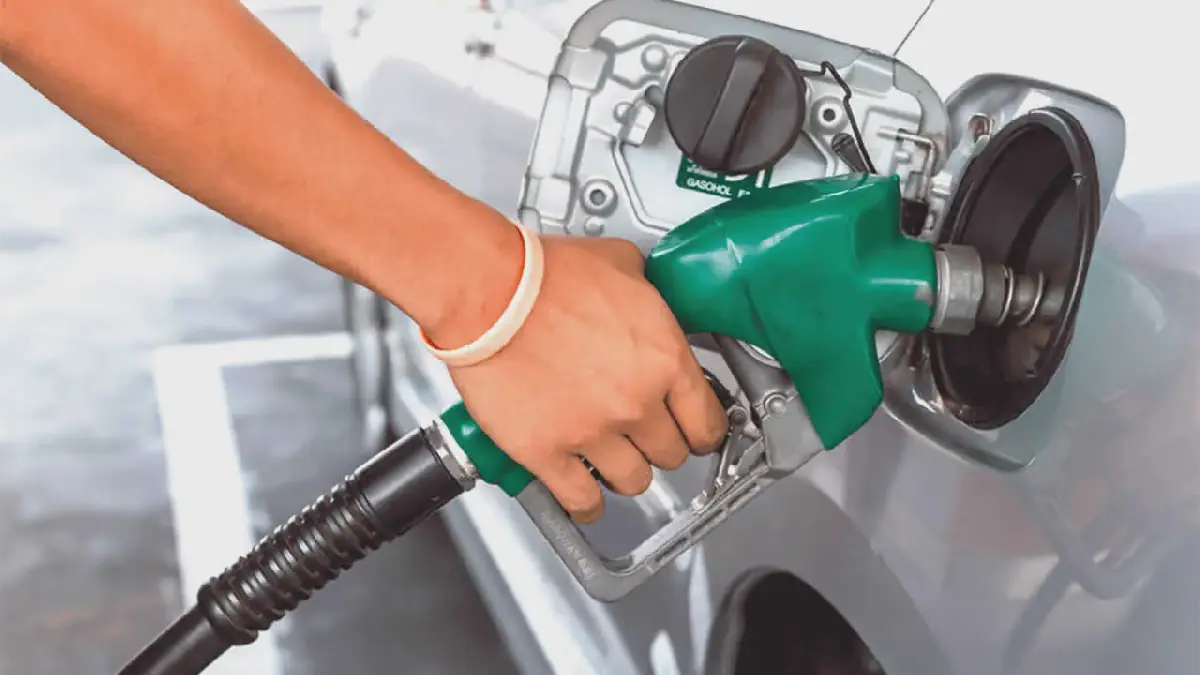
The Mauritian government has reported a 1% increase in tax revenue from fuel sales during the third quarter of 2026, compared to the same period in 2025. According to the State Trading Corporation, the Excise Duty and VAT levied on diesel and gasoline generated Rs 3,306,783,532 between July and September 2026. This represents a rise of Rs 33.7 million from Rs 3,273,097,545 in the same period of 2025.
The revenue growth is attributed to the sales of two main fuel types: Gas Oil, which refers to commercial diesel, and Mogas, which is automobile gasoline. The tax revenue includes contributions from both fuel types. In contrast, the government has reduced its spending on subsidies for essential goods. The total amount allocated for subsidies on LPG, flour, and long-grain white rice fell to Rs 1,055 billion during the third quarter of 2026, from Rs 1,199 billion in the same period of 2025.
The decline in subsidies amounts to Rs 144.18 million, or approximately 12%. LPG, used as household gas, accounts for the largest share of these expenditures, with Rs 579.47 million spent over the three-month period. Flour subsidies totaled Rs 410.93 million, while long-grain white rice subsidies amounted to Rs 65.02 million. The reductions in subsidies were observed across all three products, with the largest absolute decrease recorded for flour.
The Ministry of Commerce and Consumer Protection reported that the subsidies for long-grain white rice decreased from Rs 90.20 million to Rs 65.02 million, while flour subsidies dropped from Rs 518.60 million to Rs 410.93 million. LPG subsidies also declined, from Rs 590.80 million to Rs 579.47 million. These changes reflect a shift in the government's spending priorities.
Despite the decline in subsidies, the government's tax revenue from fuel sales has remained robust. The 1% growth in tax revenue suggests a stable demand for fuel in Mauritius. The State Trading Corporation plays a crucial role in managing the country's fuel supply and tax collection.
The Mauritian economy has been experiencing fluctuations in global fuel prices, which can impact the government's revenue and expenditure. The recent trends in fuel tax revenue and subsidies indicate the government's efforts to balance its budget while supporting essential goods.
The Ministry of Commerce and Consumer Protection will likely continue to monitor the situation and adjust its policies as needed. The government's decisions on subsidies and tax revenue will have implications for the overall economy and the well-being of Mauritian citizens.
Key points
- The Mauritian government collected Rs 3.3 billion in fuel taxes during the third quarter of 2026, a 1% increase from the same period in 2025.