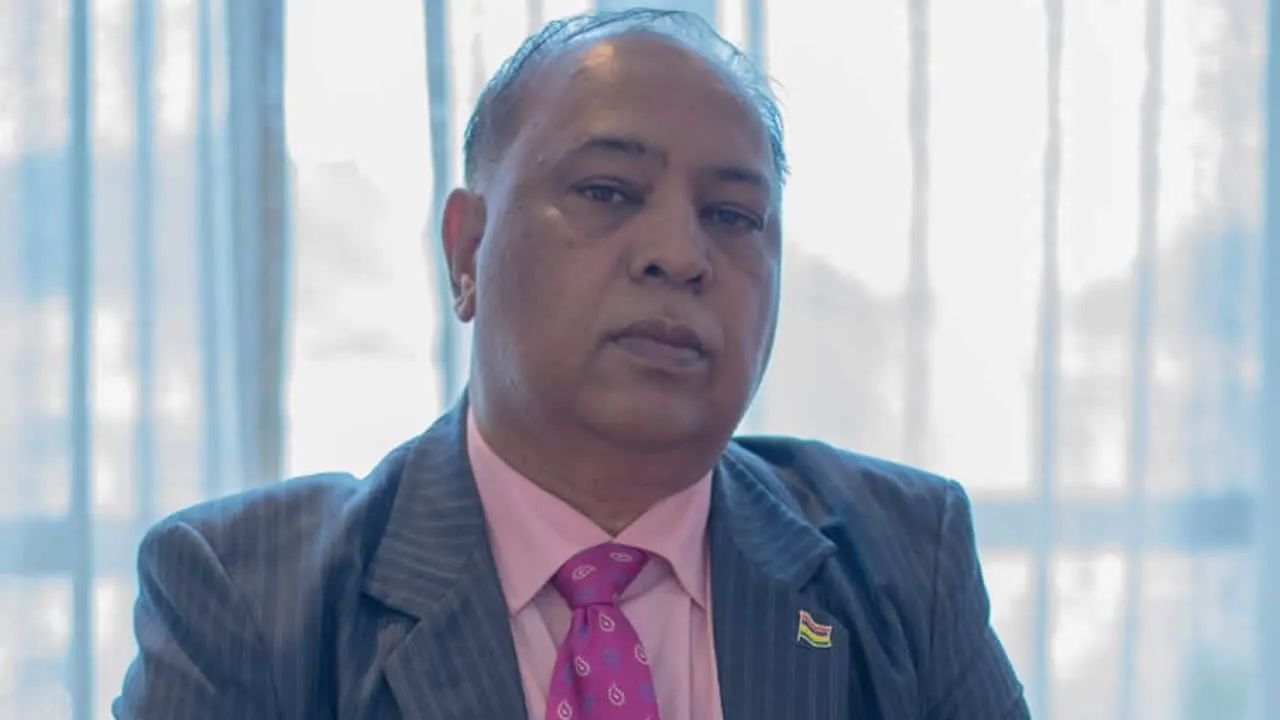
The recent surge in fuel prices in Mauritius is expected to significantly impact households and businesses, further straining the economy. The price hike will not only increase the cost of living but also affect production costs for businesses, particularly small and medium-sized enterprises (SMEs) that are already struggling. According to Dr. Chandan Jankee, an economist, this trend of rising fuel prices often leads to inflated prices of goods and services, as some distributors use the increase as an excuse to raise their prices disproportionately.
Dr. Jankee warns that the situation may worsen, with an expected domino effect on the prices of goods and services, leading to increased inflation. Historically, an increase in fuel prices has triggered a cascade effect, reducing purchasing power and driving up inflation. The economist emphasizes that protecting purchasing power and accelerating the transition to renewable energy should be the government's priority. He also notes that some countries in similar situations have opted to reduce taxes on fuel to alleviate the burden on consumers.
The Mauritian government has faced calls from consumer associations and politicians, including Khushal Lobine, to reduce taxes on fuel to mitigate the impact on consumers. However, Minister Michaël Sik Yuen argues that this is not feasible, as the country is already selling at a loss. Dr. Jankee disagrees, suggesting that reducing taxes is a viable option, as previous governments have accepted the need to maintain affordable fuel prices to protect the purchasing power of Mauritians.
Dr. Jankee also criticizes the government's focus on reducing the deficit of the State Trading Corporation (STC), suggesting that this should not come at the expense of the purchasing power of citizens. He recommends that the government explore alternatives, such as decreasing taxes, and learn from other countries that have implemented measures to alleviate the impact of rising fuel prices on their economies.
The current context of global economic uncertainty, marked by the conflict in the Middle East and volatile oil prices, highlights the need for Mauritius to reduce its dependence on fossil fuels and limit its exposure to international market shocks. Dr. Jankee argues that the country has been slow to transition to renewable energy, having lost 20 years due to institutional and ministerial issues, as well as lobbying.
To accelerate the transition to renewable energy, Dr. Jankee suggests that the government should provide support to small investors, including lines of credit or guarantees, to enable them to enter the renewable energy market. He also recommends that the government use economic diplomacy, particularly with India, to secure reduced fuel prices and consider establishing a refinery to serve not only Mauritius but also Africa.
The economist emphasizes the need for a comprehensive approach to address the challenges posed by rising fuel prices, including protecting purchasing power, promoting renewable energy, and enhancing economic resilience. By adopting a proactive and coordinated strategy, Mauritius can mitigate the impact of global economic shocks and create a more sustainable and resilient economy.
Key points
- Dr. Chandan Jankee urges the Mauritian government to prioritize protecting purchasing power and accelerating the transition to renewable energy to mitigate the impact of rising fuel prices.
- The economist criticizes the government's focus on reducing the deficit of the State Trading Corporation (STC) at the expense of the purchasing power of citizens.
- Dr. Jankee recommends that the government reduce taxes on fuel, provide support to small investors in renewable energy, and use economic diplomacy to secure reduced fuel prices.