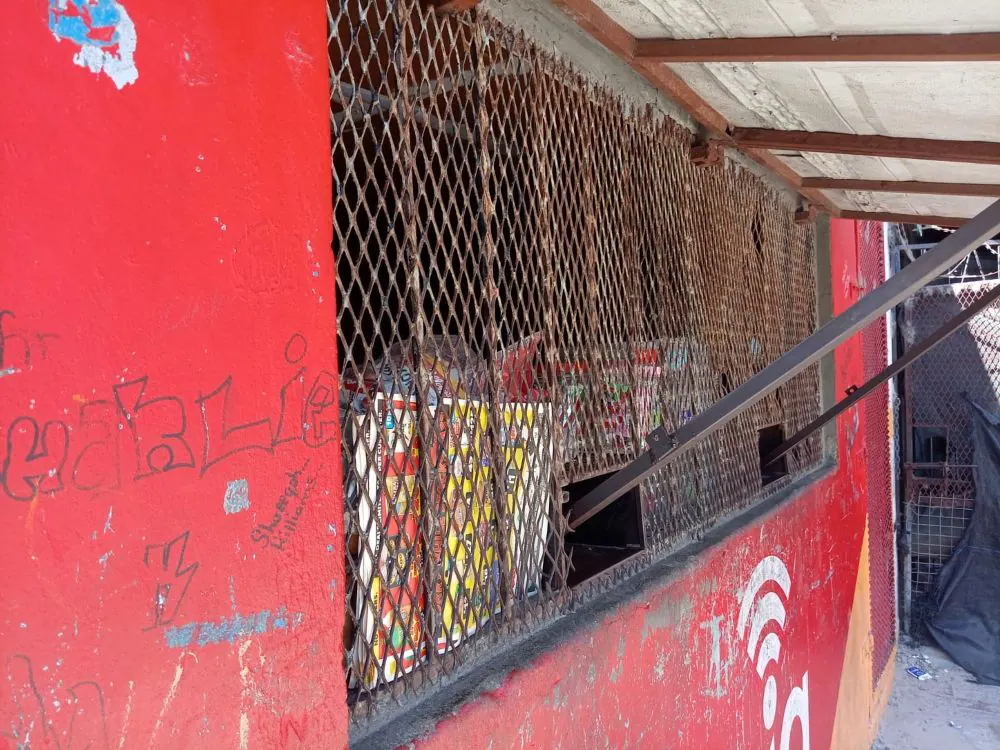
The South African Revenue Service (SARS) is set to increase its scrutiny of foreign-owned spaza shops as part of a broader effort to formalize the informal economy and expand the country's tax base. Finance Minister Enoch Godongwana confirmed that SARS is targeting businesses in the informal economy, including the taxi industry and e-hailing services, to improve tax compliance. This move is expected to impact the vast spaza shop market, estimated to generate between R180 billion and R207 billion annually.
The spaza shop sector is a significant contributor to South Africa's economy, with tens of thousands of shops operating across townships and communities. SARS has already registered 21,890 previously unregistered taxpayers in the informal economy since the 2024/25 financial year, bringing in R314 million in revenue. The revenue service is using data, digital platforms, taxpayer education, and simpler registration processes to identify businesses that are not registered for tax.
SARS is also stepping up its crackdown on illicit financial flows, including tax evasion, customs fraud, money laundering, corruption, and organized crime. In the 2024/25 financial year, SARS recorded 10,142 customs seizures worth R6.3 billion, while R6.1 billion was recovered in relation to VAT fraud and illicit gold trading. The Minister emphasized that these results demonstrate SARS's commitment to curbing illicit financial flows and disrupting criminal value chains.
The increased scrutiny of spaza shops comes amid concerns about informal remittance networks used by some spaza-shop operators, including allegations that billions of rand may have moved outside South Africa's borders. A report raised concerns about the potential links between foreign-owned spaza shops and terrorist groups, highlighting the need for greater regulation and oversight in the sector.
The South African government is taking steps to formalize the informal economy, including the introduction of online platforms for business licensing and permits. Tshwane traders can now apply for, renew, and track business licenses and permits online, reducing queues and saving valuable trading time for spaza shops and other informal businesses.
The targeting of foreign-owned spaza shops by SARS has raised concerns among traders, who argue that the increased scrutiny could have unintended consequences, such as driving informal businesses further underground. However, the government maintains that the move is necessary to ensure tax compliance and curb illicit financial flows.
The impact of SARS's increased scrutiny of spaza shops will be closely watched, as the sector plays a significant role in South Africa's economy. The government will need to balance its efforts to formalize the informal economy with the need to support small businesses and traders, who are often vulnerable to regulatory pressures.
Key points
- SARS is targeting foreign-owned spaza shops as part of a broader effort to expand the country's tax base and curb illicit financial flows.
- The spaza shop sector is estimated to generate between R180 billion and R207 billion annually.
- SARS has registered 21,890 previously unregistered taxpayers in the informal economy since the 2024/25 financial year, bringing in R314 million in revenue.