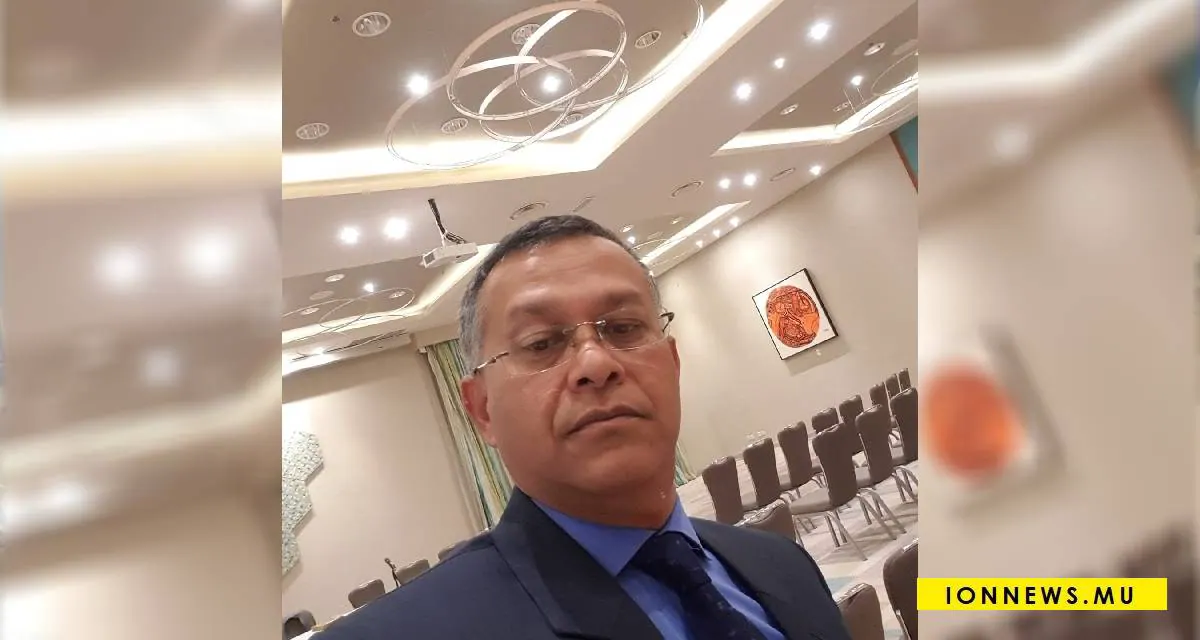
Seewoonarain Koonjul, Chairperson of the Road Development Authority (RDA) in Mauritius, was seen attending an Extended Regional Committee meeting of the Mouvement Militant Socialiste (MMM) on September 22. The meeting was held in Flacq/Bon-Accueil as part of the party's 57th anniversary celebrations. Koonjul was accompanied by prominent MMM members, including Arianne Navarre-Marie, Ajay Gunness, and Rajesh Bhagwan.
Koonjul's presence at the meeting has raised questions about his neutrality in his role as RDA Chairperson. As the head of a public body, displaying a political affiliation can be seen as a governance concern. The RDA is responsible for allocating significant public infrastructure contracts and making recommendations on access to classified roads. Koonjul is also a member of the MMM's political bureau.
According to the Road Development Authority Act of 1998, the Chairperson is appointed by the minister and must have extensive administrative or management experience. The Act only outlines financial incompatibilities, such as having an interest in a company or civil engineering firm, and requires members to declare any interests and recuse themselves from related deliberations. There is no provision addressing political engagement.
While Koonjul's attendance at the MMM meeting may not be an illegality, it raises concerns about his ability to remain impartial in his role. The RDA is not a trivial organization, and its decisions can have significant impacts on the country's infrastructure and development. The issue highlights the challenges of balancing political affiliation with the duty of neutrality in public office.
This incident is not isolated, as several individuals with known party affiliations hold leadership positions in public and parastatal institutions. Some claim to perform their duties in a neutral and impartial manner, but the question remains as to whether it is possible to truly remain impartial while holding a leadership position in a political party.
The incident has sparked a debate about the boundaries between public service and political activism. While appointments of government allies to boards are common, this practice raises questions about the ability to reconcile partisan engagement with the duty of reserve. The distinction between what is legally permitted and what is ethically required remains unclear.
Attempts to reach Seewoonarain Koonjul for comment were unsuccessful, as he was unavailable for response. The incident has brought attention to the need for clear guidelines on the role of public officials in partisan politics and the importance of maintaining neutrality in public office.
Key points
- The incident raises concerns about Seewoonarain Koonjul's neutrality as RDA Chairperson.
- The RDA plays a crucial role in allocating public infrastructure contracts.
- The incident highlights the challenges of balancing political affiliation with the duty of neutrality in public office.