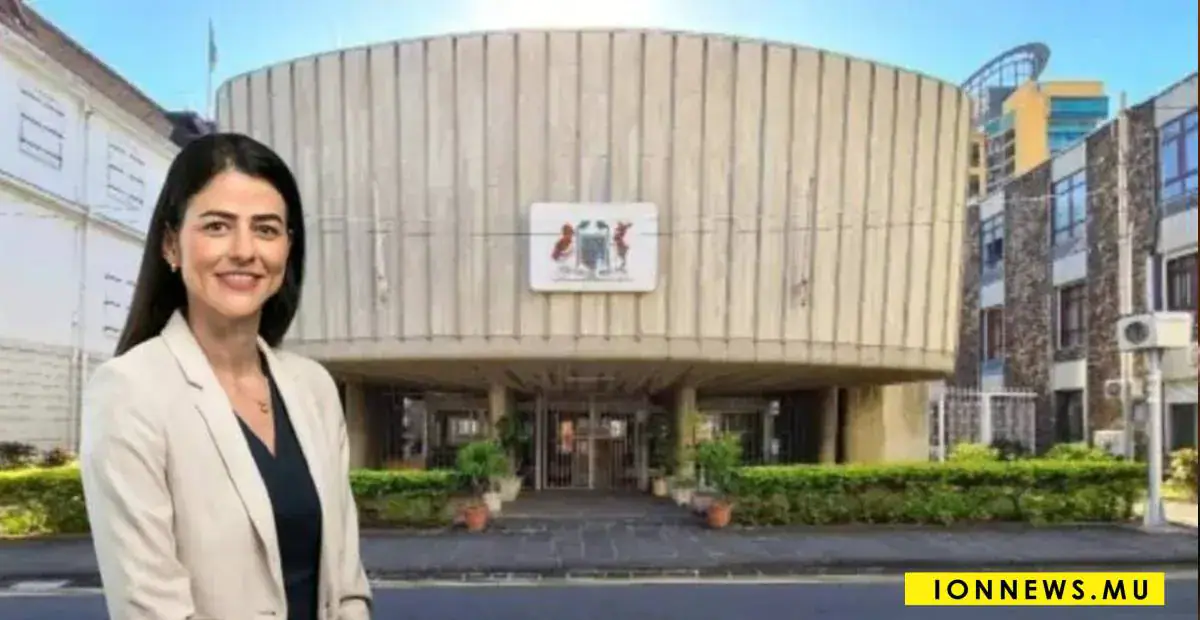
On November 24, 2026, Mauritian deputy Joanna Bérenger will address several pressing issues in the parliament, focusing on wealth concentration, sovereignty over the Chagos archipelago, land artificialization, and the Amirek project in Rivière Noire. She will pose questions to the government on these critical matters, seeking transparency and clarity. The deputy from Vacoas-Floréal aims to bring attention to the concentration of wealth in Mauritius, citing the New World Wealth 2025 report, which lists Mauritius among countries with a significant number of centi-millionaires.
Joanna Bérenger's first question targets the Prime Minister, seeking information on the number of individuals residing in Mauritius with fortunes exceeding Rs 100 million, Rs 500 million, Rs 1 billion, and Rs 5 billion. She also requests details on the distribution of these fortunes between Mauritian citizens and foreign residents, as well as the proportion of wealth generated or held in Mauritius. Furthermore, she inquires about the taxes and duties paid by these individuals over the past five financial years and whether a study on wealth concentration and its contribution to state revenue is planned.
The issue of sovereignty over the Chagos archipelago will also be raised, following a recent article in The Economist. Bérenger wants to know if the Mauritian government has sought written clarifications from British authorities and if any correspondence and responses will be made public in the National Assembly. This move highlights the ongoing concerns about the archipelago's status and Mauritius' claims to sovereignty.
Land artificialization is another critical topic on the agenda. The deputy will question the Environment Minister about the current extent of land covered by buildings, roads, parking lots, and other impermeable surfaces. She also requests comparative data for the years 2000, 2010, and 2020, as well as information on whether Mauritius has been evaluated internationally, particularly among small island developing states. Bérenger is also interested in knowing if the government plans to set a national target to limit land artificialization.
The Amirek project proposed for Les Salines Pilot in Rivière Noire will be scrutinized, with Bérenger inquiring about the issuance of a Building and Land Use Permit. She seeks details on the permit's status, the date of issuance, and the authority responsible for granting it. Additionally, she wants to know if the necessary environmental clearances have been obtained from the Ministry of Environment.
Through these interventions, Joanna Bérenger aims to hold the government accountable and obtain crucial information on matters affecting economic transparency, national sovereignty, territory protection, and development project approvals. Her questions reflect concerns about the equitable distribution of wealth, the protection of national interests, and sustainable development in Mauritius.
The discussions in parliament will provide insight into the government's stance on these pressing issues and may lead to further actions or policy adjustments. As the deputy from Vacoas-Floréal, Joanna Bérenger's efforts to engage the government on these topics demonstrate her commitment to transparency and good governance in Mauritius.
Key points
- The Mauritian government will address concerns on wealth concentration, Chagos sovereignty, land artificialization, and the Amirek project in parliament.
- Deputy Joanna Bérenger seeks clarity on wealth distribution, taxes paid by high-net-worth individuals, and land use patterns.
- The discussions may lead to policy adjustments and increased transparency in governance.