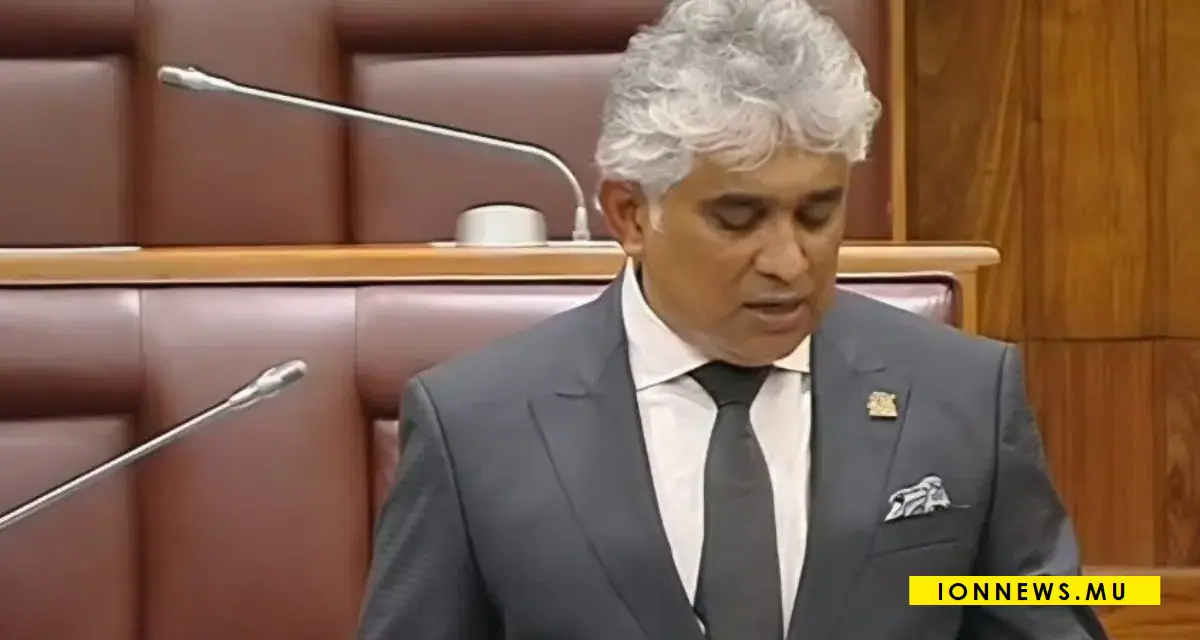
In a recent Parliamentary Question (PNQ) session, Chetan Baboolall, the leader of the opposition in Mauritius, demonstrated a more assertive and prepared approach, diverging from his earlier criticized performances. He questioned Arvin Boolell, the Minister of Agro-industry, on the sensitive issue of the foot-and-mouth disease outbreak. Baboolall's line of questioning focused on discrepancies in the number of cattle on a farm in Notre-Dame, where the disease was detected.
The controversy began with the number of cattle on the farm, with Boolell stating there were 16, while Baboolall claimed there were only 14, including one imported animal showing signs of the disease. This numerical discrepancy visibly agitated the minister, leading to a series of questions from Baboolall. He inquired about the origin of the imported animal, its testing before importation, and the controls in place for the nearly 9,000 animals recently imported to Mauritius.
Baboolall expressed concerns that several recommendations from the Fact Finding Committee, established after the 2016 foot-and-mouth disease episode, had not been implemented. The committee had advised against importing animals from countries affected by the disease and recommended inspections of foreign farms by Mauritian veterinarians before importation. These concerns highlight potential gaps in Mauritius' animal import regulations.
Further discrepancies were noted in the description of the Notre-Dame farm. According to Baboolall, the French National Agency for Food, Environmental and Occupational Health Safety (Anses) referred to it as a "fattening farm" in its report, whereas Boolell described it as a "rearing farm" in the PNQ session. This inconsistency raised concerns about the accuracy of information provided to international institutions.
Baboolall also emphasized the threat posed by the foot-and-mouth disease to the livestock of Mauritius and Rodrigues. He questioned the measures that would be taken if the disease spread to other farms and how the farmer of the Notre-Dame farm would be compensated in case of losses. These questions underline the need for clear strategies to mitigate the impact of the disease.
The PNQ session has been seen as a positive step for Baboolall, demonstrating his ability to effectively challenge the government on critical issues. His performance has been welcomed by those who had called for him to be given time to find his footing in the role. The opposition leader is now expected to face another significant test with a PNQ addressed to the Prime Minister.
The outcome of this PNQ and future sessions will likely influence public perception of Baboolall's leadership and the government's response to pressing issues like the foot-and-mouth disease outbreak. The situation remains a priority for animal health and agricultural sectors in Mauritius, with ongoing scrutiny from both the public and opposition.
Key points
- Chetan Baboolall challenges Arvin Boolell on foot-and-mouth disease outbreak in Mauritius
- Discrepancies in cattle numbers and farm descriptions raise concerns over animal import regulations
- The opposition leader questions measures to mitigate the impact of the disease on local livestock