In a remarkably forward-thinking article published on August 21, 1868, in Le Constitutionnel, agronomist Jacques Valserres highlighted the impact of human activity on drought-stricken soils and proposed solutions to mitigate the effects. Valserres, an ecologist ahead of his time, argued that human activities, particularly deforestation, were responsible for the severe drought plaguing Europe. He advocated for a concerted effort to reforest the continent, rather than engaging in destructive wars.
The article, written nearly a century and a half ago, demonstrated a surprising understanding of the relationship between deforestation, climate change, and drought. Valserres noted that the southern regions of Europe, having lost much of their forest cover, were particularly susceptible to drought and heat. In contrast, northern regions with more extensive forestation were generally cooler and more humid. This observation led him to propose a pan-European policy of reforestation to combat drought.
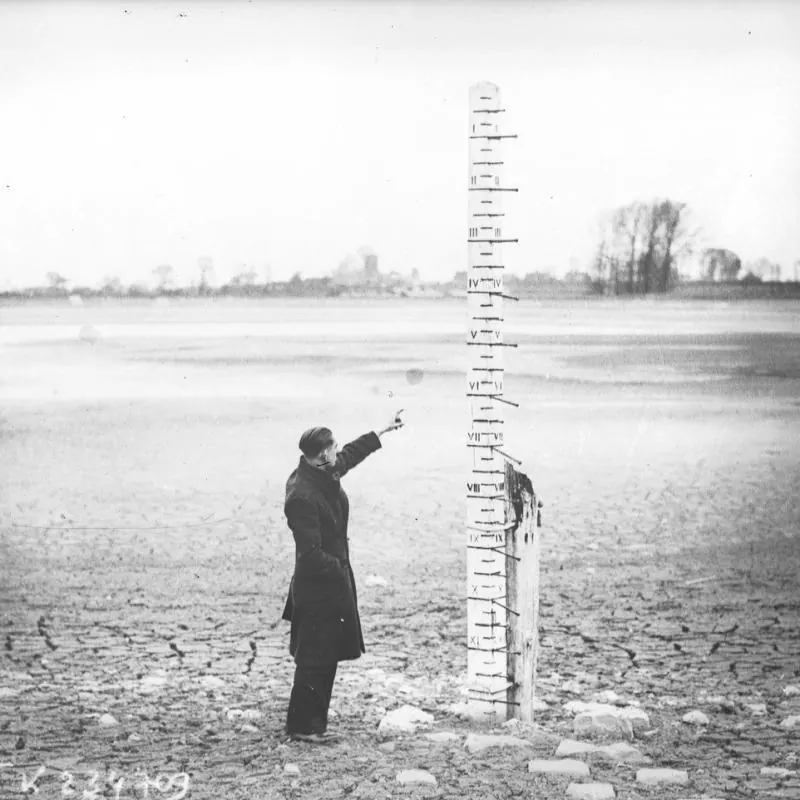
The 1868 drought had devastating effects on European agriculture, with widespread crop failures and disruptions to water sources. Valserres argued that scientific understanding of the causes of drought was limited at the time, but he was convinced that deforestation played a significant role. He pointed to the consequences of deforestation in regions such as Asia Minor, which had become a desert-like environment due to the loss of forest cover.
Valserres' article also explored the interconnectedness of drought, heat, and deforestation. He observed that the combination of high temperatures and drought led to soil degradation, reduced fertility, and decreased agricultural productivity. Furthermore, he noted that deforestation contributed to more extreme weather events, such as storms, hail, and frosts, which were detrimental to agriculture.
The agronomist drew on his knowledge of geological history to support his argument. He noted that, in ancient times, vegetation had played a crucial role in regulating the climate and maintaining soil fertility. The disappearance of forests had disrupted this balance, leading to a range of negative consequences. Valserres advocated for a return to more sustainable land-use practices, including reforestation and afforestation.
Valserres' proposals were remarkably prescient, given the limited scientific understanding of climate change and ecology at the time. His emphasis on the importance of vegetation in regulating the climate and maintaining soil fertility was well ahead of its time. The article demonstrated a clear understanding of the complex relationships between human activity, climate, and the environment.
Today, Valserres' ideas are recognized as an early contribution to the field of environmental science. His advocacy for reforestation and sustainable land-use practices remains relevant, as the world continues to grapple with the challenges of climate change, drought, and environmental degradation. The article serves as a testament to the power of forward-thinking and interdisciplinary approaches to addressing environmental problems.
Key points
- Jacques Valserres proposed reforestation as a solution to drought in Europe in 1868.