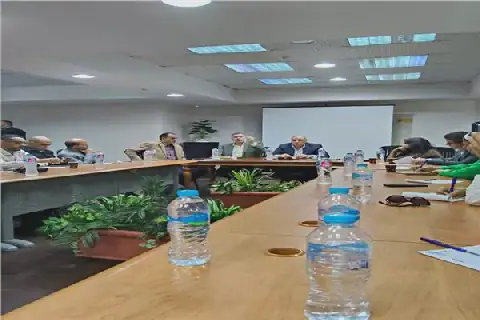
The National Commission for Human Rights (CNDH) in Mauritius has taken a significant step towards promoting linguistic diversity in the country's parliament. On September 22, the CNDH published a 33-page position paper titled "Position paper on language rights in the National Assembly," which emphasizes the importance of recognizing Creole, Bhojpuri, and other ancestral languages. The paper was presented by Satyajit Boolell, the president of the CNDH.
The position paper aims to address concerns about the use of languages in the parliament and promote a more inclusive approach. Boolell stressed that the paper does not seek to pit languages against each other or undermine the use of Creole in parliament. Instead, it seeks to recognize the importance of all languages, including ancestral languages like Bhojpuri, Tamil, and others, which are an integral part of Mauritius' history and culture.
The CNDH received representations from various stakeholders, including the Bhojpuri Speaking Union, Tamil Duty, and Dignity, Discipline. These groups emphasized the need to recognize the importance of ancestral languages and ensure that they are not marginalized. The commission also noted that Mauritius is a multicultural society, and it is essential to respect and promote all languages.
According to the 2023 census, 78.58% of Mauritians speak Creole at home, and 89.91% use Creole in combination with another language. The CNDH argues that these statistics demonstrate the significance of Creole and other languages in Mauritian society. The commission's position paper advocates for the institutionalization of all languages, ensuring that they continue to thrive.
The CNDH has drawn inspiration from international examples, such as Singapore's parliament, which recognizes Malay, Tamil, and English. The European Parliament also uses 24 official languages. Boolell emphasized that the decision on language recognition ultimately lies with parliament, but it is essential to consider the concerns of all stakeholders and promote an inclusive approach.
The CNDH has also highlighted the need to address linguistic discrimination in Mauritius' constitution. The commission recommends that language be included as a ground for non-discrimination in the law. Mauritius has ratified several international conventions, including the Convention on Civil and Political Rights, which obliges the country to protect language rights.
The recognition of Creole and other languages in parliament is seen as a crucial step towards decolonization and promoting a more inclusive society. Boolell emphasized that the process of decolonization must involve parliament, which is a fundamental institution in Mauritian democracy. The CNDH's position paper is expected to inform the ongoing constitutional review process and promote a more representative and inclusive parliament.
Key points
- The National Commission for Human Rights in Mauritius has published a position paper advocating for the recognition of Creole, Bhojpuri, and other ancestral languages in parliament.
- The paper emphasizes the importance of promoting linguistic diversity and addressing linguistic discrimination in the country's constitution.
- The recognition of Creole and other languages is seen as a crucial step towards decolonization and promoting a more inclusive society in Mauritius.