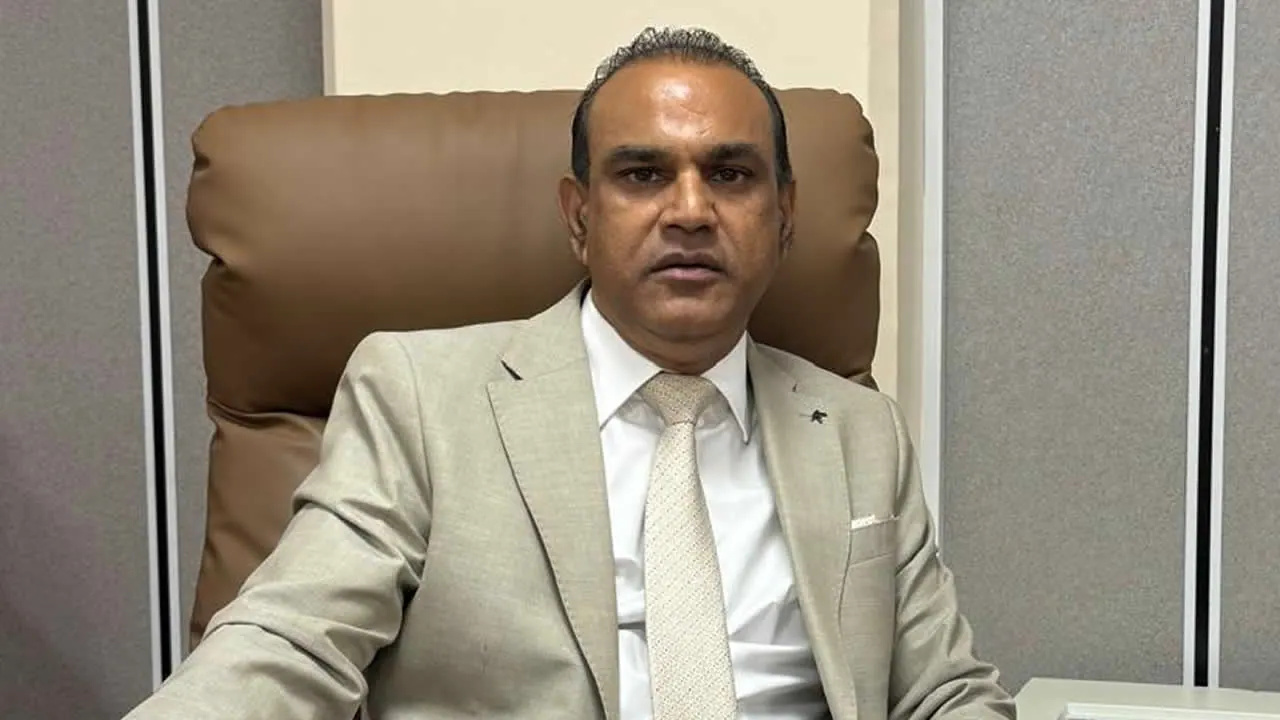
Mauritius' Minister of Local Government, Ranjiv Woochit, has revealed that the government is working on a comprehensive reform of the local government system, which is expected to be implemented by June 2027. The project, which has been in the works for nearly two years, aims to modernize and harmonize the system, with a focus on financial autonomy, digitalization, transparency, and efficiency. The proposed law has expanded from 166 to 260 sections, reflecting the government's commitment to a thorough overhaul.
The reform process has been participatory, with the government soliciting input from citizens, organizations, and institutions through public notices and consultations. Over 60 submissions were received, and an important workshop was held, bringing together around 300 representatives from local authorities, ministers, and deputies. A inter-ministerial committee, chaired by Woochit, has also met several times to discuss the proposed law. The State Law Office will review the text before it is examined by the Cabinet.
According to Woochit, the current system, which was last reformed in 2011, no longer responds to the realities of Mauritius' cities, villages, and districts. The country has undergone significant changes, including rapid urbanization, climate change, and new infrastructure developments. The new law aims to address these changes and provide a framework that can serve future generations. The government seeks to create a more modern, harmonized, and efficient system, with better-defined roles for officials and institutions.
One of the key aspects of the reform is to grant local authorities more financial autonomy, allowing them to respond to the needs of their populations. Woochit emphasized that this autonomy must be accompanied by greater responsibility, transparency, and control in the use of public funds. The government is working on new regulations and financial mechanisms to enable local authorities to generate their own revenue. This will allow them to undertake more projects and reduce their reliance on central government funding.
The reform also aims to improve transparency in the allocation of permits, contracts, and market stalls, as well as in the management of public funds. Woochit highlighted the need for clearer procedures and more objective criteria in the allocation of permits and contracts. The government also seeks to improve coordination between different institutions involved in the permitting process, reducing delays and increasing efficiency.
The new law will also focus on improving the delivery of services by local authorities, including the provision of infrastructure and community facilities. Woochit emphasized that the government wants to see more transparency in the management of markets and the allocation of market stalls. The reform aims to reduce delays and increase efficiency in the provision of services, making it easier for citizens to access permits and services.
The proposed law is expected to have a significant impact on the functioning of local authorities in Mauritius. With its focus on financial autonomy, transparency, and efficiency, the reform aims to create a more modern and effective system of local government. The government is committed to implementing the reform by June 2027, and Woochit is confident that it will bring about positive change to the country.
Key points
- The Mauritian government aims to overhaul the local government system by June 2027, with a focus on financial autonomy, digitalization, and transparency.
- The proposed law has expanded from 166 to 260 sections, reflecting the government's commitment to a thorough overhaul of the system.
- The reform aims to grant local authorities more financial autonomy, allowing them to respond to the needs of their populations.