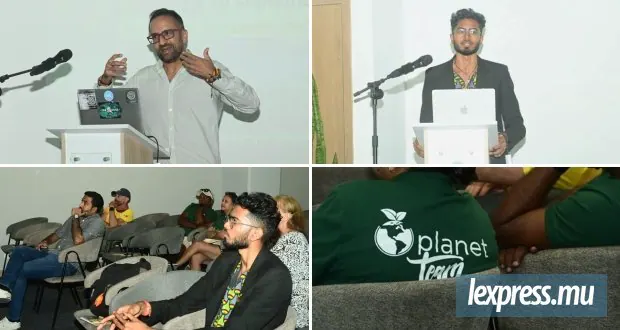
On September 20, Mauritius celebrated World Cleanup Day with a massive operation to collect, sort, and count waste across the island. The event, organized by Clean Moris, saw the participation of over 50 organizations, including community groups and businesses. The effort aimed to not only clean up public spaces but also to gather data on the types and quantities of waste generated in Mauritius. This initiative marked a significant step towards understanding the island's waste management challenges.
The cleanup operation covered various regions, including Bambous, Rose-Belle, Highlands, Quatre-Bornes, Belle-Rose, Caudan, Tamarin, and La Preneuse. Participants collected and sorted waste into categories such as plastic, glass, and general waste. This meticulous approach allowed for a detailed assessment of the waste composition, which will be crucial in informing future waste management strategies. According to Tomek Joseph of Clean Moris, the goal was to produce a National Impact Report, a first of its kind, which will provide valuable insights into the island's waste generation patterns.
The statistics presented during the event highlighted the severity of the waste management issue in Mauritius. It was reported that 80% of marine debris originates from land, with plastic accounting for approximately 85% of this waste. The island produces around 75,000 tonnes of plastic waste annually, but only 4% is collected for recycling. Globally, the plastic recycling rate stands at about 8%. These figures underscore the need for a comprehensive approach to address the plastic waste crisis in Mauritius.
The cleanup operation also aimed to raise awareness about the importance of reducing waste and promoting sustainable practices. Krishna Pentayah, CEO of Sov Lanatir, emphasized the need for a systemic approach to environmental conservation, involving not only cleanup efforts but also the restoration of ecosystems and the promotion of sustainable production and consumption patterns. The event encouraged participants to think beyond individual actions and to consider the broader implications of waste generation and management.
One of the key outcomes of the World Cleanup Day event was the recognition of the need for data-driven policy-making. The organizers stressed that having accurate data on waste generation and composition is essential for developing effective waste management policies. The National Impact Report, which will be produced based on the data collected during the cleanup operation, is expected to provide valuable insights for policymakers and stakeholders.
The event also highlighted the importance of engaging various stakeholders, including producers, consumers, and policymakers, in addressing the waste management challenge. The cleanup operation demonstrated that reducing waste requires a collaborative effort and a systemic approach that involves multiple sectors and stakeholders. By working together, Mauritius can develop effective solutions to mitigate the impacts of waste generation and promote sustainable development.
The World Cleanup Day event in Mauritius concluded with a renewed commitment to addressing the island's waste management challenges. The data collected during the operation will be crucial in informing future policies and strategies aimed at reducing waste and promoting sustainable practices. As Mauritius continues to grapple with the impacts of waste generation, events like World Cleanup Day serve as a reminder of the importance of collective action and data-driven decision-making.
Key points
- The cleanup operation collected and sorted waste from various regions across Mauritius, providing valuable data on the island's waste composition.
- The event highlighted the need for a systemic approach to environmental conservation, involving not only cleanup efforts but also the restoration of ecosystems and the promotion of sustainable production and consumption patterns.
- The National Impact Report, produced based on the data collected during the cleanup operation, is expected to provide valuable insights for policymakers and stakeholders in developing effective waste management policies.