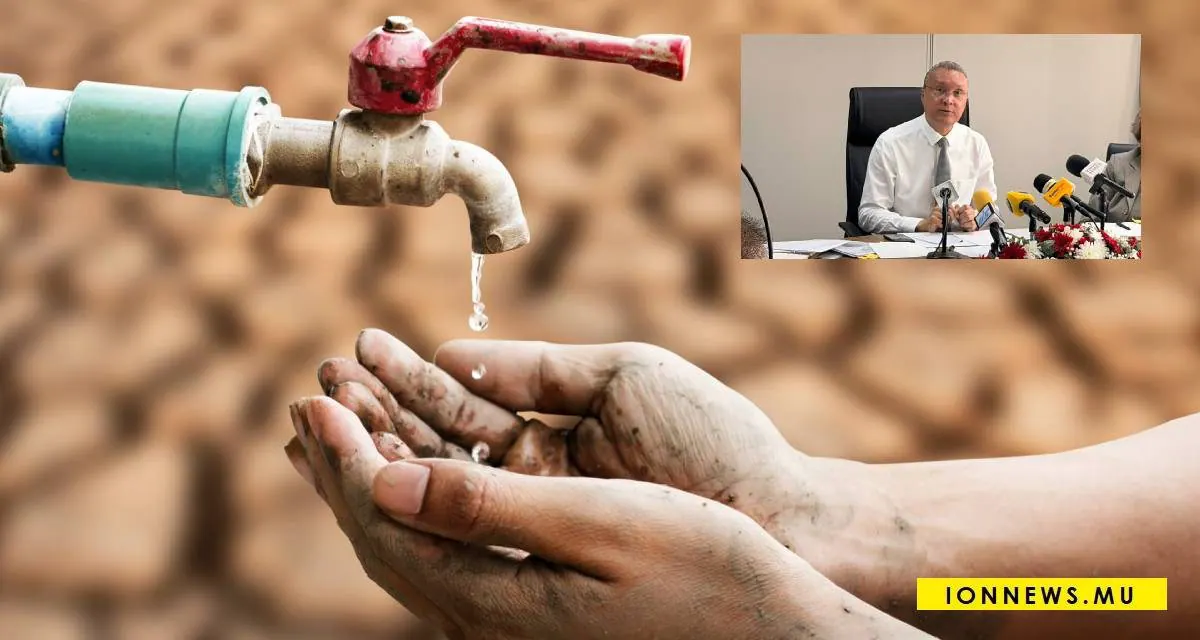
The water crisis in Mauritius remains a pressing concern, with rainfall significantly below normal levels from January to September. Certain reservoirs have been more severely impacted than others, exacerbating the situation. According to Patrick Assirvaden, the Minister of Energy and Public Utilities, the rainfall pattern appears to be shifting, with more precipitation concentrated in the Northwest, whereas the Southwest previously received more rainfall.
Minister Assirvaden expressed concern about the current water level in Mare aux Vacoas, which stands at 35.9%. Beyond the issue of low rainfall, another significant problem persists: water distribution losses. The minister stated that 62% of the distributed water is currently being lost, primarily due to damaged pipelines. This has significant implications for the island nation's water supply.
The replacement of approximately 1,500 kilometers of pipelines is estimated to require an investment of Rs 37 billion. However, the government claims it cannot currently afford this expense. This has led to discussions about potential solutions, including revising the price of water to generate resources for infrastructure financing. Nevertheless, any such measure would be sensitive, given the already high cost of living in Mauritius.
A price increase would need to balance the interests of consumers, the government's responsibilities, and the long-term need for a reliable water supply. The water crisis has significant implications for the island nation's residents and economy. With the current situation unsustainable, stakeholders must explore viable options to address the water shortages and infrastructure challenges.
The water distribution network in Mauritius is facing significant challenges, with 62% of water lost during distribution. This loss not only wastes a precious resource but also puts additional pressure on the existing infrastructure. The government and other stakeholders must work together to find a solution to this problem, which will likely require significant investment.
The situation in Mauritius highlights the complexities of managing water resources in the face of climate change and infrastructure challenges. As the island nation navigates this crisis, it must balance competing priorities, including the need for a reliable water supply, the financial burden on consumers, and the government's role in ensuring access to this essential resource.
The debate surrounding the potential revision of water prices in Mauritius is expected to continue, with stakeholders weighing the pros and cons of such a measure. Ultimately, a solution will require a collaborative effort from the government, consumers, and other stakeholders to ensure a reliable and sustainable water supply for the island nation's residents.
Key points
- The government of Mauritius is exploring options to address the water crisis, including a potential revision of water prices to fund infrastructure upgrades.
- Water distribution losses in Mauritius currently stand at 62%, primarily due to damaged pipelines.
- The replacement of 1,500 kilometers of pipelines is estimated to require an investment of Rs 37 billion.