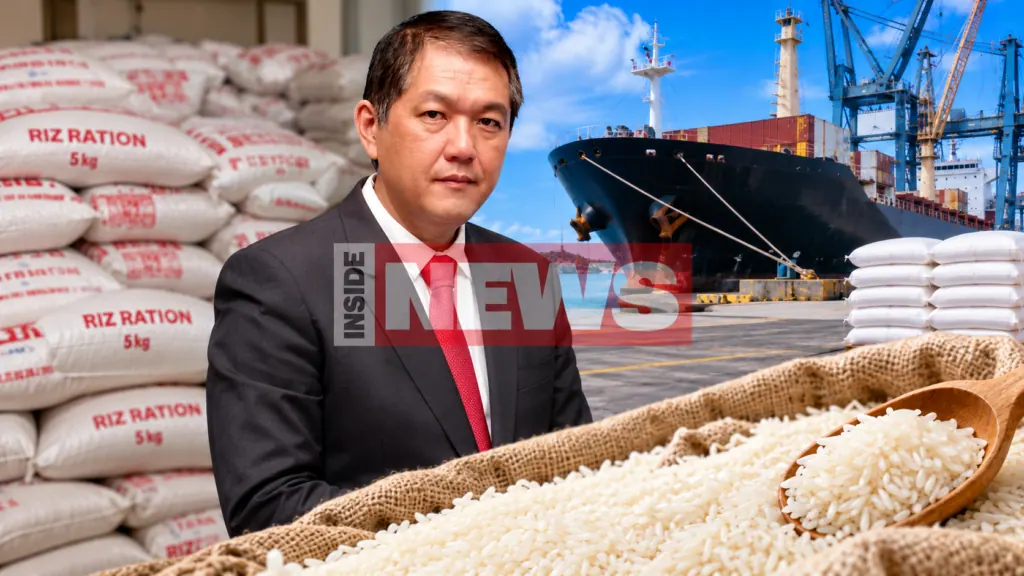
A shortage of rice ration in several Mauritian stores has been attributed to a delayed cargo from Pakistan. The cargo, which was expected to arrive earlier, is now set to arrive in October. According to Minister of Commerce Michaël Sik Yuen, the delay has caused a shortage in the market. The government has announced that new shipments are expected to arrive in October, which should alleviate the shortage.
The first cargo is expected to arrive around October 18, with two other ships announced for around October 20. Each ship is expected to carry approximately 500 tonnes of rice. This shipment is crucial in meeting the demand for rice ration in the country. Mauritius imports around 24,000 tonnes of rice ration per year, and the delayed cargo has caused a significant gap in the supply.
The State Trading Corporation (STC) has confirmed that it is maintaining a supply of around 12,000 packets of 2.5 kg per day despite the logistical disruptions. However, the shortage in some stores indicates that the distribution remains strained. The rice ration is a critical product for many households, particularly those sensitive to the cost of living, as its price is regulated and subsidized.
The shortage has raised concerns about the security of food supply in Mauritius. As an island that imports a significant portion of its food, Mauritius is vulnerable to delays, conflicts, and disruptions in global trade routes. The incident highlights the need for a resilient supply chain that can absorb unexpected disruptions without affecting the availability of essential products.
The government has announced that four ships are expected to arrive, carrying a total of around 2,000 tonnes of rice, which is approximately a month's worth of consumption. The STC has assured that it is working to maintain a stable supply of rice ration in the market. However, the incident has raised questions about the visibility of the supply chain and the need for more transparency in the management of strategic food products.
The situation is expected to improve in October with the arrival of new shipments. However, the incident has highlighted the need for Mauritius to develop a more robust supply chain that can withstand unexpected disruptions. The government and the STC must balance the need for operational secrecy with the public's right to information about the availability of essential products.
The rice ration shortage has affected many households, particularly those that rely heavily on the subsidized product. The government's response to the crisis has been to assure the public that new shipments are on the way and that the situation will improve soon. The incident has also raised questions about the long-term sustainability of the rice ration program and the need for Mauritius to diversify its food imports.
Key points
- New shipments of rice ration are expected to arrive in Mauritius in October.
- The delayed cargo from Pakistan has caused a shortage of rice ration in several stores.
- The incident has raised concerns about the security of food supply in Mauritius and the need for a resilient supply chain.