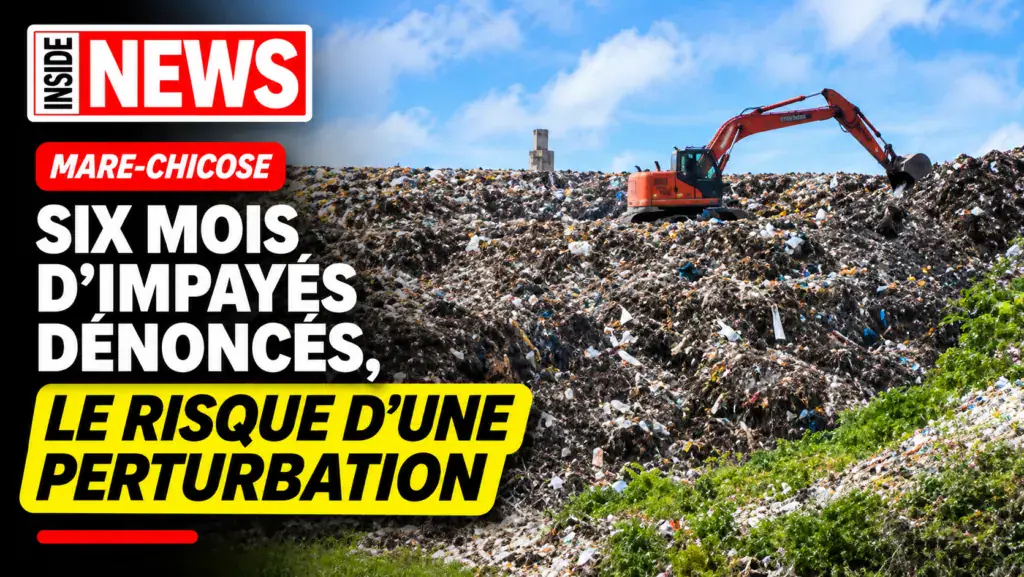
A dispute over unpaid invoices has sparked concerns about the potential disruption of waste management services in Mauritius. Deputy Joanna Bérenger has publicly highlighted the financial difficulties faced by transporters responsible for collecting and transporting waste to the Mare-Chicose landfill. According to Bérenger, these transporters have been waiting for payments for approximately six months, which has led some to consider slowing down their operations or even blocking access to the site.
The Mare-Chicose landfill plays a crucial role in Mauritius' national waste management system. Any sustained disruption to the transportation of waste to the site could impact collection operations in several regions, particularly in residential areas, markets, and commercial districts. While a general halt in operations has not been confirmed, the threat of a slowdown or blockade has raised concerns about the potential consequences for households and businesses.
The dispute raises several administrative and contractual questions, including whether the amounts claimed by transporters correspond to validated services, and whether delays are due to verification procedures, disagreements over invoices, or budgetary constraints. It is also unclear whether a payment schedule has been proposed to the transporters. These questions need to be answered to understand the responsibilities of the parties involved.
The transporters responsible for collecting and transporting waste must bear regular expenses, including salaries, fuel, and vehicle maintenance. Prolonged delays in payments can therefore weaken their activities and make it difficult for them to operate efficiently. However, the accusations of non-payment must be verified against contracts, invoices, and responses from the parties concerned.
The situation requires clear communication from the authorities responsible for waste treatment. They must indicate whether discussions are underway with the transporters and what measures can be taken to prevent a service interruption. For households, the issue is not the contractual dispute itself but its potential consequences for waste collection.
The consequences of a disruption to waste management services would be particularly significant for residential areas, markets, and commercial districts. Residents and businesses rely on regular waste collection to maintain public health and hygiene standards. Any disruption to this service could lead to an accumulation of waste, creating unsanitary conditions and potential health risks.
The next step will be to monitor whether an agreement is reached on payments or whether an official announcement is made about a movement affecting operations at Mare-Chicose. The authorities must provide clarity on the situation and take steps to prevent any disruption to waste management services. The public will be watching closely for any developments in this situation.
Key points
- Deputy Joanna Bérenger has raised concerns about the financial difficulties faced by waste transporters at Mare-Chicose.
- A disruption to waste management services could impact collection operations in several regions of Mauritius.
- The authorities must provide clear communication on the situation and take steps to prevent any disruption to waste management services.